Used Car Pre-Purchase Inspection in 2026: What to Check Before Paying
A used car can offer good value, but photos and a quick test drive tell only part of the story. A careful pre-purchase inspection helps you spot safety risks, hidden repair costs and document problems before you pay. This guide explains a practical inspection order for buyers worldwide. Local registration and consumer rights differ, so verify official rules for your own market.
Start with the vehicle identity
Before looking at paint or tyres, match the vehicle identification number on the car with the registration papers, title and sales listing. Check for signs of altered labels or inconsistent records. Vehicle numbering and registration rules differ by country, so use the local official vehicle record service where one exists. A mismatch is a reason to stop until it is explained. Never send a deposit merely because a seller shares a photo of documents; arrange to see the actual car and papers.
Check history and recalls
Ask for service records, previous ownership details and documented repairs. An online history report can help, but it may miss crashes that were not reported to the data provider. For vehicles sold in the United States, NHTSA offers a recall lookup. Other regions have their own official recall databases. Check the correct market and vehicle ID. A recall is not the same as evidence of poor care, but you should confirm the remedy was completed and that any open work can be performed locally.
Look closely at the body
Walk around the car in daylight on level ground. Check panel gaps, paint shade differences, glass markings and unusual rust. A repaired bumper is not automatically a deal-breaker, but poor alignment or water inside the cabin merits inspection. Look under floor mats and around the boot for dampness or a musty smell. Ask the seller about any past damage and get the answer in writing. Fresh detailing can make an older car look excellent, so put more weight on consistent evidence than shine.
Bring a small light
A torch helps check under seats and in the boot. Do not crawl beneath an unsupported vehicle or touch damaged electrical wiring.
Tyres can reveal hidden costs
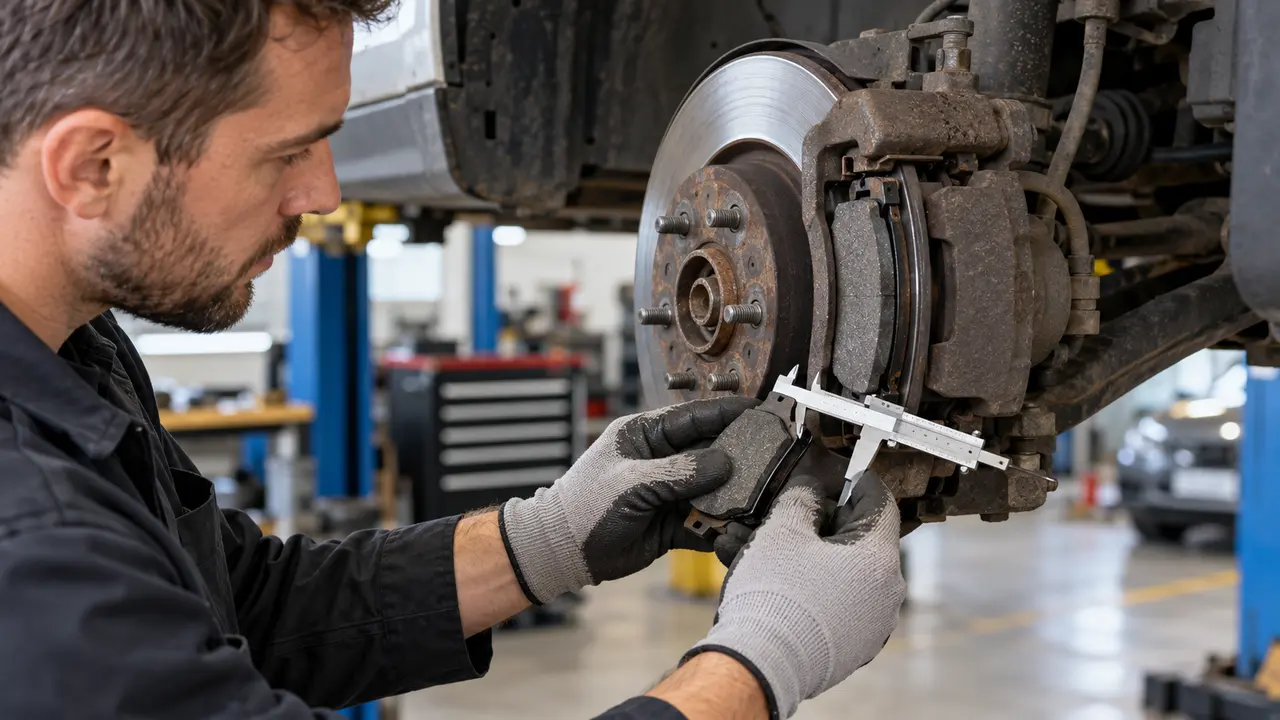
Look at the date code, tread and wear across each tyre. Uneven wear may point to alignment, suspension or inflation issues. Check for sidewall damage and whether all tyres match the size and load rating specified by the manufacturer. A seller may promise new tyres after the sale, but you should price the work before agreeing. If the tyres are close to replacement, use a written quote in your budget. Do not assume a tyre is safe just because it has visible tread.
Inspect the cabin and controls
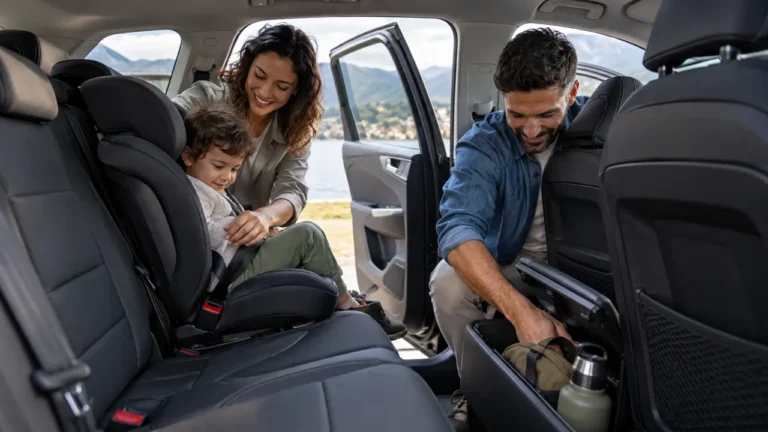
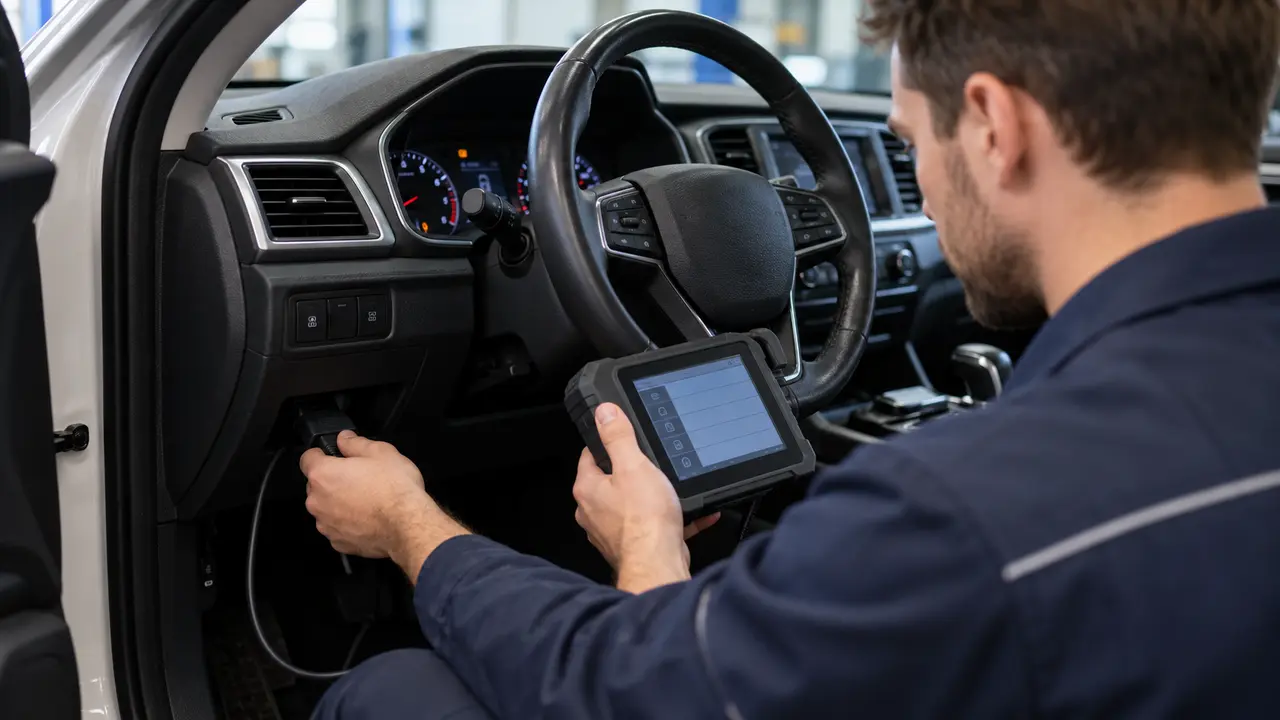
Test every seat belt, window, lock, mirror, light, climate control and screen function while parked. Check that airbags have no warning indicators and that the dashboard lights appear and clear as the manual describes. Confirm the rear seats fold as expected and that included charging cables or spare keys actually work. A missing second key can be costly. Look for signs of flood damage, persistent electrical faults or heavy wear that does not match the stated mileage. Small defects can add up quickly.
Engine and fluids
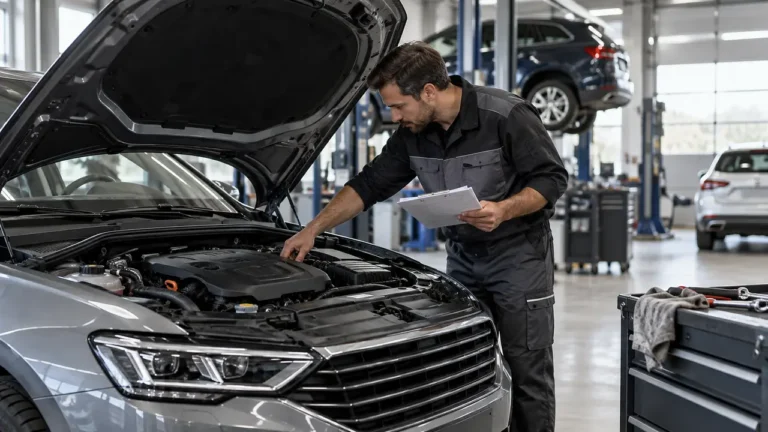
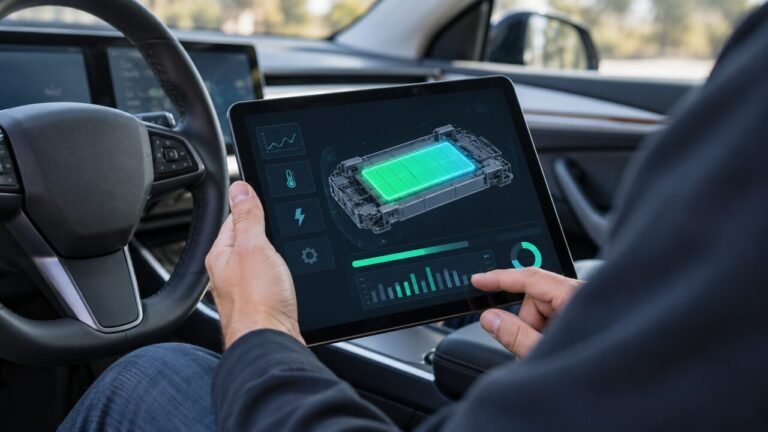
For a combustion car, check for visible leaks, unusual smoke and warning lights. A cold start can reveal issues hidden after an engine is warm, so ask not to have the car started before your visit. Do not open a hot cooling system. For an EV, check the charging port, included cable, battery health documentation and high-voltage warnings. In both cases, confirm the fluid service schedule where applicable. Use a qualified technician for anything beyond safe surface-level checks.
Take a real test drive
Drive on a route with ordinary town turns, hills and a safe stretch of faster road, subject to local law and insurance. Listen for clunks over bumps, feel for vibration and test that the car tracks straight. Check the brakes with a gentle stop where traffic allows. Avoid risky maneuvers to test a car. If the transmission shifts roughly, steering pulls or warnings appear, record the symptom and have it inspected. A short lap around a dealer car park cannot reveal every problem.
Pay for an independent inspection
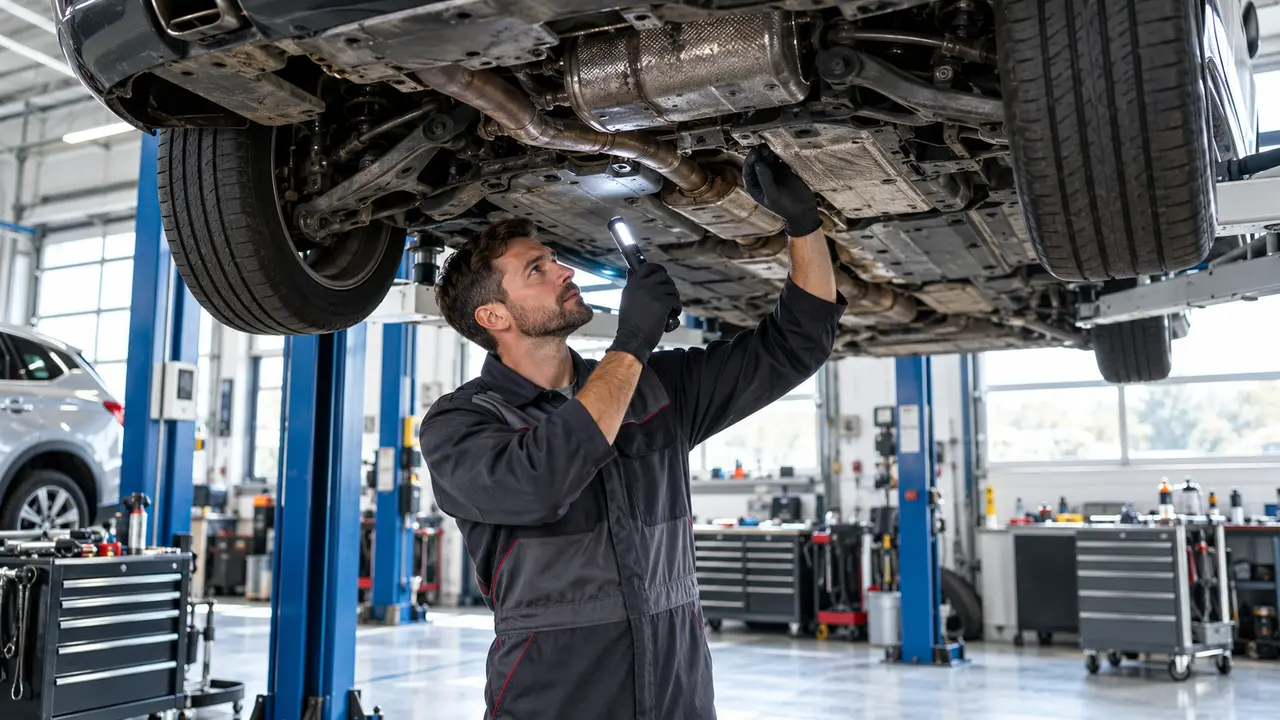
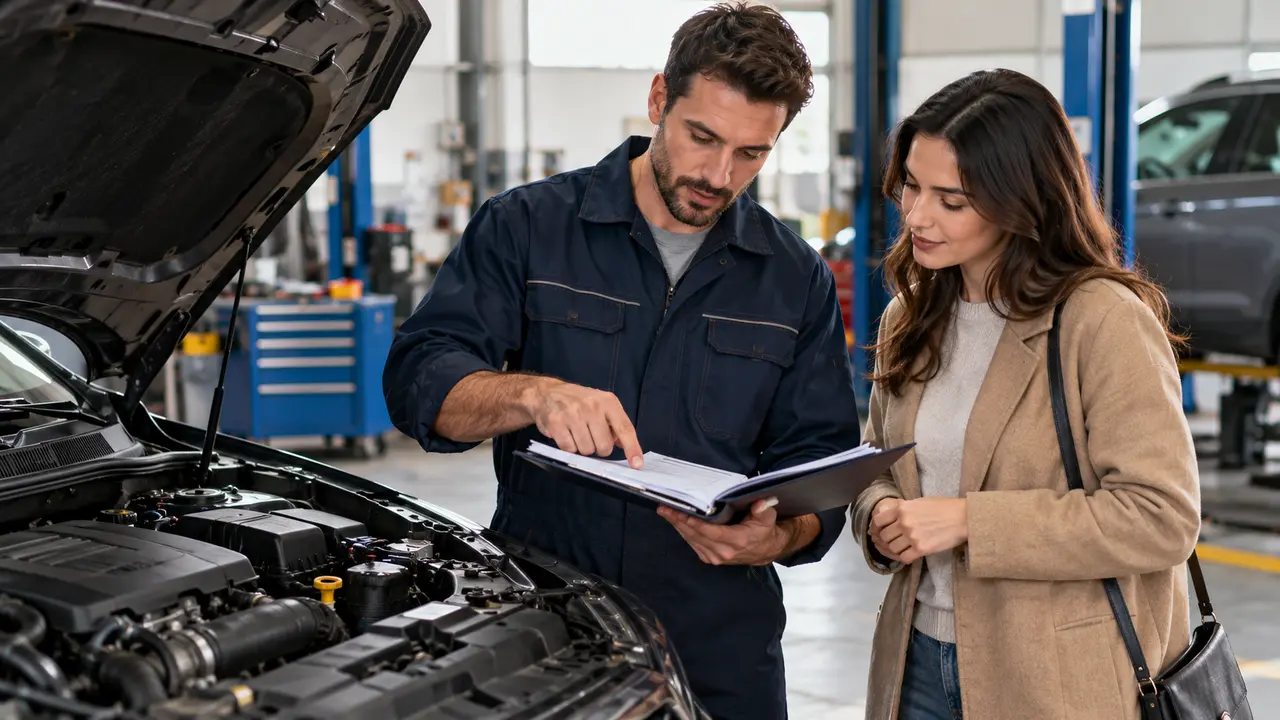
An independent pre-purchase inspection is often one of the most useful costs in the buying process. Choose a workshop familiar with the vehicle type and ask for a written report covering structural damage, tyres, brakes, suspension, leaks, diagnostic warnings and likely near-term repairs. For an EV, seek a technician trained to assess battery health. The inspector may not be able to guarantee future reliability, but the report can reveal risks and give you a sound basis for a price discussion.

Understand the repair estimate
Ask the inspector to separate urgent safety defects from maintenance due soon and cosmetic issues. Get prices for the exact parts and local labor rates rather than relying on generic internet totals. A cheap car with major work due may cost more than a slightly dearer car with a clear history. If a repair is promised before sale, put the work and deadline in writing and inspect it afterward. Avoid treating a seller’s verbal estimate as a binding price.
Three cost buckets
Separate repairs into safety items needed now, routine service due soon and optional appearance work. This makes negotiation more honest and helps you decide whether the asking price makes sense.
Check money and ownership
Verify the seller has the right to sell the car and whether finance, liens or other claims remain. Use official local procedures for checking title and changing ownership. Read the sale agreement for deposit terms, included items, taxes, transfer fees and warranties. If finance is involved, review the annual percentage rate and total repayment, not only the monthly instalment. Never transfer the entire payment before you know the ownership process and have satisfactory inspection evidence.
A practical buyer scenario
Imagine a family shopping for a seven-year-old hatchback. The car looks tidy and the test drive feels normal, but an independent inspection finds uneven rear tyre wear and a damp boot. They ask the seller for repair documentation and obtain estimates before negotiating. If the seller refuses further checks, they walk away. Spending a little time on evidence can be cheaper than inheriting a water leak or suspension problem. The same logic applies whether buying privately, from a dealer or through an online marketplace.
Decide whether to walk away
Walk away when documents cannot be verified, safety systems show unexplained warnings, the seller blocks an inspection or payment terms feel unsafe. One small fault is rarely the whole story, but several unexplained issues can signal costly risk. Give yourself a budget ceiling that includes taxes, insurance and immediate repairs. Take time to compare similar cars and do not let a countdown sales tactic rush you. A reliable used car purchase is built on clear records, a real inspection and a price that reflects condition.
Common questions
Is a vehicle history report enough?
No. Records can be incomplete. Combine history checks with a physical inspection, test drive and independent mechanic’s report.
Should I buy a car with accident repairs?
Not every repair makes a car unsafe. Ask what was damaged, who repaired it and whether structure and safety systems were checked. Independent inspection matters.
Can I inspect an electric vehicle myself?
You can check documents, tyres, lights and visible damage. Leave battery and high-voltage diagnosis to trained technicians.
Takeaway: Verify identity, inspect in daylight, test drive safely and let a qualified mechanic check before you commit money.