High-Mileage Used Cars in 2026: Maintenance Risks, Value and Inspection
Should you buy a car with high mileage? The best answer comes from records, condition, inspection and the full cost of ownership. This global guide shows how to think about engine wear, brakes, suspension and EV battery health. It also explains when a higher-mileage car can make sense and when a low sticker price should not tempt you.
Mileage is one clue
A high-mileage car is not always a poor car. Regular service, clean records and careful use can matter more than a single odometer number. Low mileage does not guarantee good condition either; a car left unused can develop tyre, battery and seal problems. Compare the age, miles or kilometres, number of owners and the work already done. Ask what sort of driving it has seen. Long, steady trips and short, cold trips place different demands on parts. The answer is not to trust a story, but to compare it with evidence.
Look for real service records
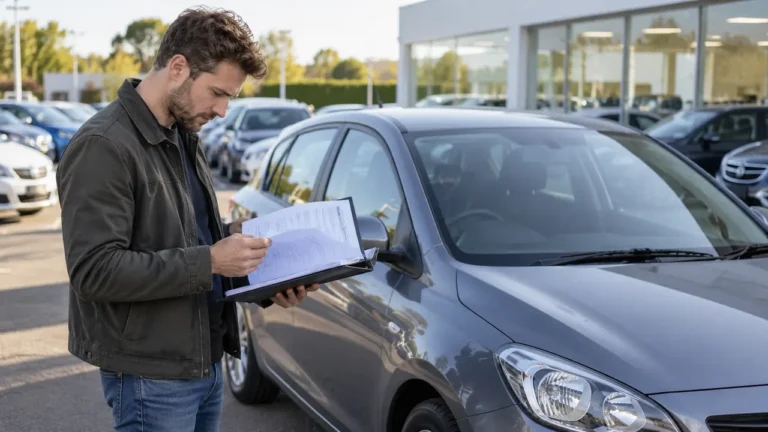
A stamp in a book is useful, but dated invoices are more detailed. They can show the correct oil, timing work, filters, brakes and other items fitted. Check that mileage increases in a believable sequence across the records. Ask about missing years and repairs claimed by the seller. If major work was completed, request the exact invoice rather than taking a spoken promise. A high-mileage vehicle with clear records may be easier to assess than a lower-mileage one with no history. Records still do not replace a mechanical inspection.
Know the big maintenance jobs
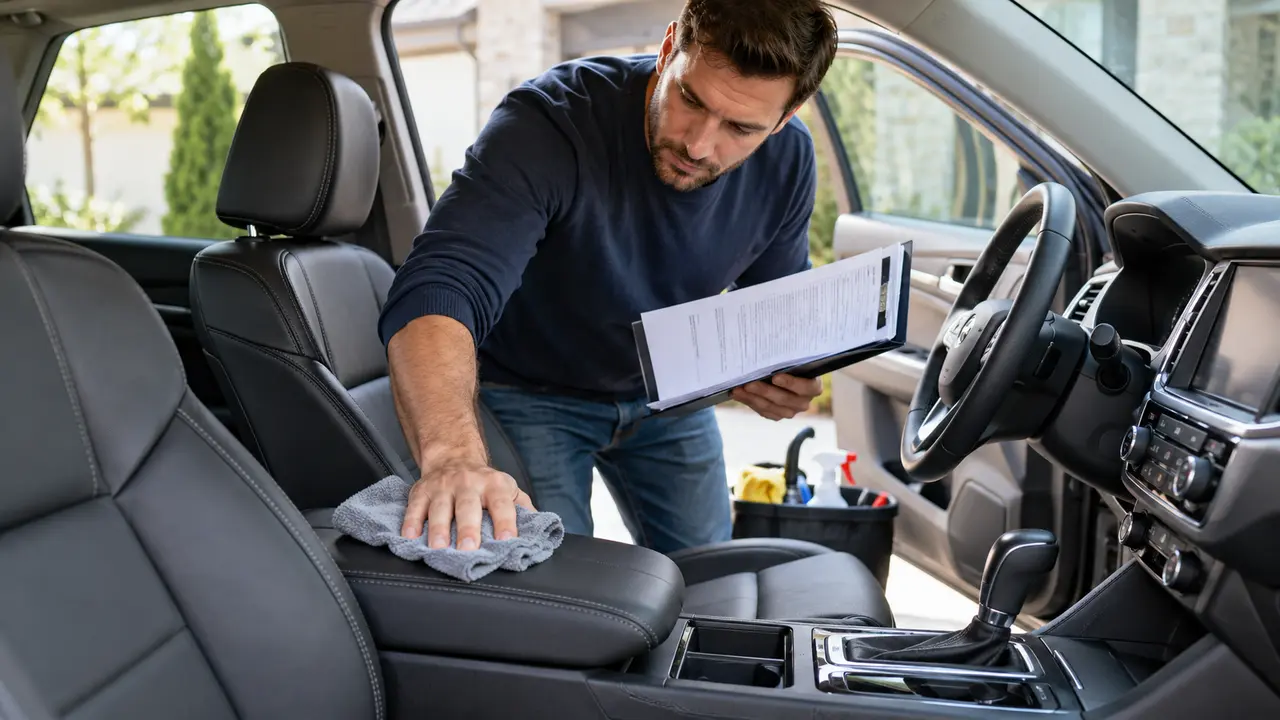
Check the service schedule for the exact model, engine and gearbox. Timing belts, transmission fluid, coolant, spark plugs and some filters may have specific time or distance intervals. A repair shop can explain which are urgent and what they cost locally. Do not assume every car uses the same timing system or that every automatic gearbox needs identical work. An overdue major service can erase the savings of a lower purchase price. Put the estimates in writing and add them to your total budget before making an offer.
Use the exact service schedule
Model names can share different engines and gearboxes. Check the vehicle identification number and maker schedule before pricing parts or service intervals.
Watch for fluid and cooling faults
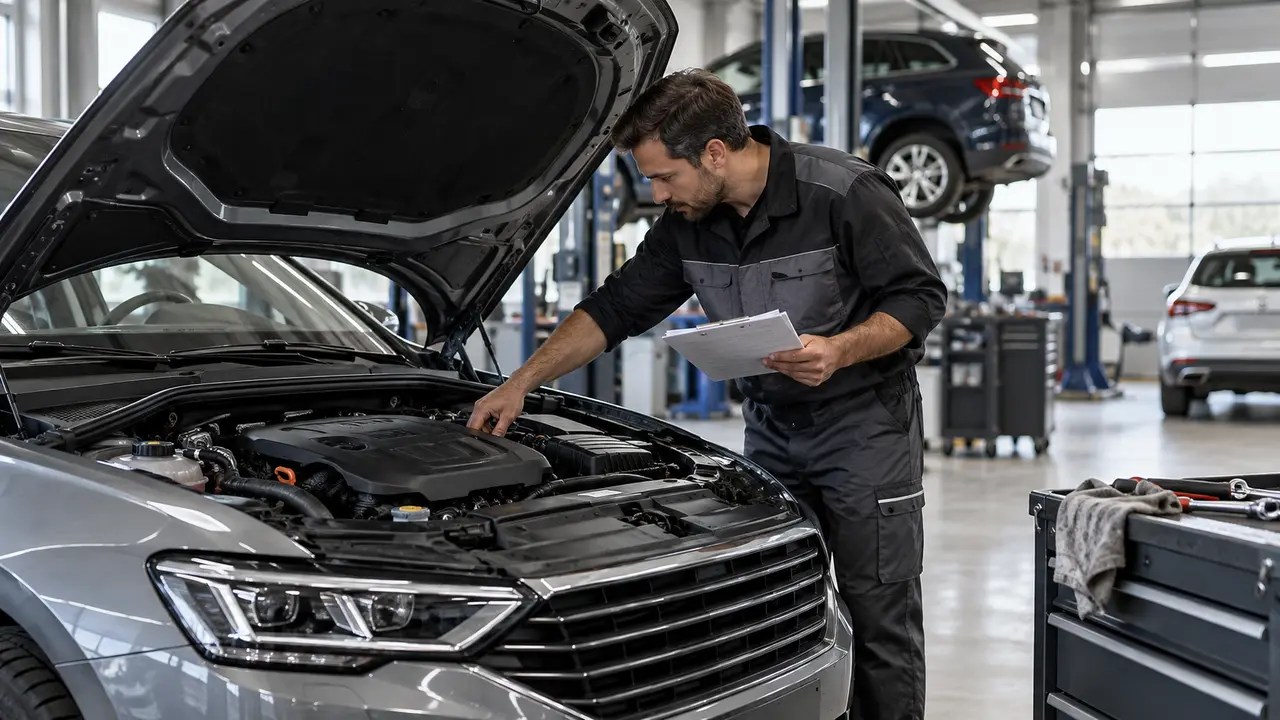
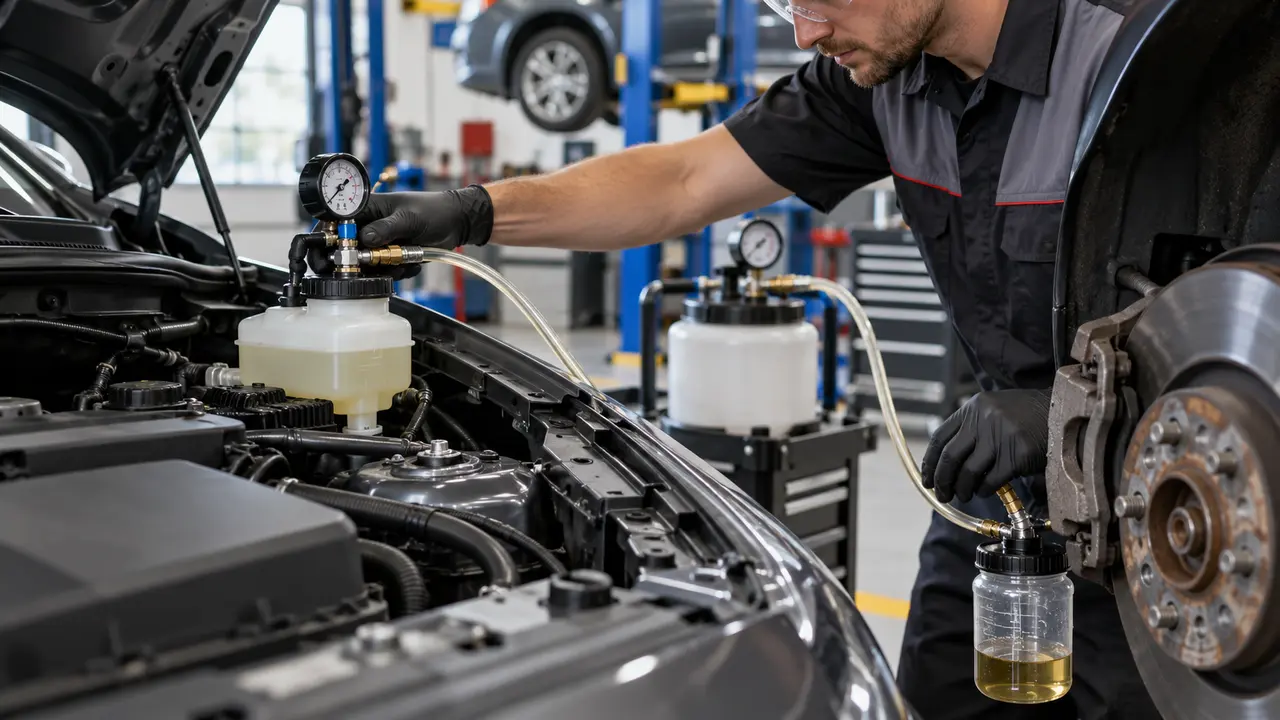
Look for signs of leaks while the car is parked, but do not touch hot or moving parts. Ask about oil use, coolant loss and past overheating. A clean engine bay may have been washed, so request a professional check beneath the vehicle. Persistent coolant loss, oil pressure warnings or an engine that runs hot deserves real diagnosis. A small hose replacement may be manageable; a larger internal engine fault may not be. The written inspection should identify uncertainty instead of guessing from one stain or smell.
Test the drivetrain safely
During a test drive, listen for unusual sounds and notice rough shifts, slipping or vibration. Ask the seller to let you drive on ordinary roads at legal speeds, with valid insurance. A cold start may reveal symptoms hidden after warm-up. Do not attempt hard acceleration or sudden braking just to test the car. A qualified technician can check fault codes and, where appropriate, examine transmission operation and fluid condition. A short test drive that feels smooth is reassuring, but it cannot promise that every costly part is healthy.
Suspension and steering
Bushes, dampers, bearings and joints may wear with time and distance. Clunks on small bumps, wandering steering or uneven tyre wear can be clues. Check tyre pressure first, then ask an independent mechanic to inspect the components on a proper lift. Never crawl beneath a car held only by a jack. Suspension work may be ordinary maintenance, but multiple worn parts can add up. The repair estimate helps distinguish a fairly priced older car from a bargain that will need substantial work soon.
Tyres and brakes
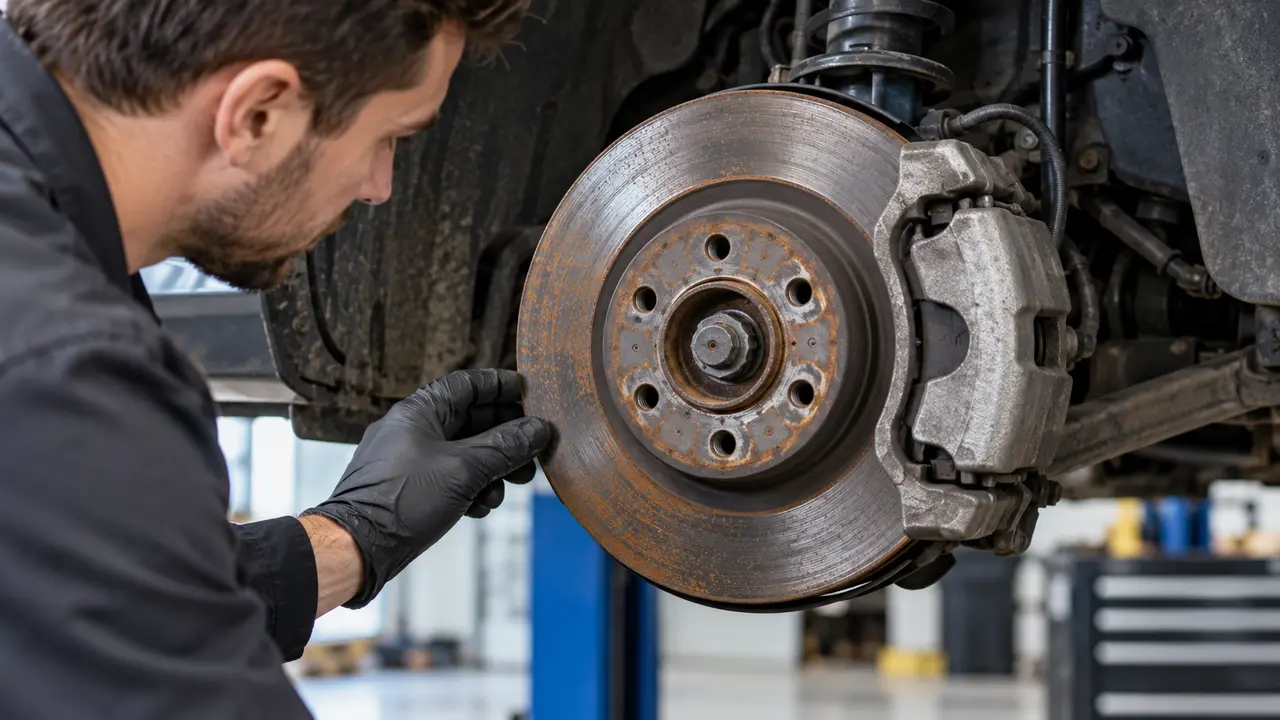
Inspect tyre tread, age, sidewalls and size against the manufacturer’s requirements. Check brake pad and disc condition and ask when fluid was last changed. The car should slow predictably without severe grinding, vibration or pulling. These systems affect safety, so do not postpone urgent repairs to save money. A high-mileage car with recent documented tyres and brake work may offer better immediate value than a shinier vehicle with worn consumables. Ask for local parts and labour prices rather than relying on broad online estimates.
High-mileage electric vehicles
An EV does not have the same engine service needs, but battery health, charging hardware, cooling, tyres and suspension still matter. Ask for a dated battery health report and check warranty terms by vehicle identification number. The Alternative Fuels Data Center describes differences in EV maintenance and specialist high-voltage safety. Do not open battery packs or touch damaged high-voltage wiring. A trained inspection should check warnings, charging performance and the remaining warranty. Distance is a reason to investigate, not a simple rejection rule.

Budget for two years, not one day
Take the asking price and add taxes, ownership transfer, insurance, immediate repairs and a reserve for unexpected faults. Ask a mechanic which service items are likely in the next two years. Compare the resulting total with a lower-mileage alternative. A vehicle that costs less today can be more expensive if it needs major transmission or suspension work. At the same time, a sound high-mileage car may be a wise choice if you can afford occasional maintenance. Your available repair budget is as important as the purchase budget.
Keep a repair reserve
Do not spend your last available funds on the car itself. Keep a separate sum for a safety repair or an unexpected breakdown after purchase.
Match risk with your use
Think about where the car will travel. A local second household car creates different risk from the only car used for long remote work trips. Consider repair shop availability, roadside assistance and the cost of missing work when a vehicle fails. If downtime would cause serious trouble, paying more for a well-documented alternative may make sense. If you drive short distances and can handle repairs, a higher-mileage model might be acceptable. Make the decision from your life, not an internet mileage threshold.
A buyer comparison
Imagine two used hatchbacks at similar prices. One has modest mileage but gaps in its service history and tyres near replacement. The other has covered a greater distance, yet shows full receipts, recent brakes and a clean independent inspection. The second may be the better buy after counting likely repairs. Now change the example: the high-mileage car has an unexplained coolant warning and the seller refuses inspection. That car becomes much less attractive. Evidence changes the answer, not the odometer alone.
Know when to walk away
Stop if documents do not match the vehicle, odometer readings conflict without explanation or the seller blocks an independent inspection. Structural damage, serious safety warnings and unexplained overheating also deserve caution. Check official local ownership and recall services. In the United States, NHTSA can help identify recalls; other regions have their own authorities. Do not let urgency or a small discount override a clear risk. There will usually be another car, while a major repair bill can stay with you for years.
Frequently asked questions
What mileage is too high?
There is no single figure for all cars. Age, maintenance and condition change the risk. Use an independent inspection to judge the specific vehicle.
Is a high-mileage car safe?
It can be when tyres, brakes, structure and safety systems are sound. A professional inspection is more useful than an odometer-based guess.
Does high mileage mean an EV battery is weak?
Not always. Ask for a proper battery health test and warranty details. Range estimates alone do not measure capacity precisely.
Takeaway: Inspect the car, price the next two years and walk away from unclear history or serious faults.