Roadside Assistance vs Car Insurance in 2026: What Help Is Included?
Many drivers buy car insurance and assume it also covers every breakdown. Sometimes roadside help is included, but the service has its own rules. This guide explains towing, battery help, lockouts and accident recovery in simple terms. It helps drivers worldwide choose a useful plan without paying twice for the same benefit.
Two different services
Car insurance is a financial contract covering specified losses, while roadside assistance is a service designed to help when a vehicle cannot continue safely. Some insurers bundle assistance with cover, but the benefits are not identical. A breakdown may not be an insured accident, and an accident claim may not include unlimited towing. Read each contract separately. Knowing the difference helps when you have a flat tyre, empty battery, collision or mechanical failure far from home. A simple membership may fill an important practical gap.
Common breakdown services
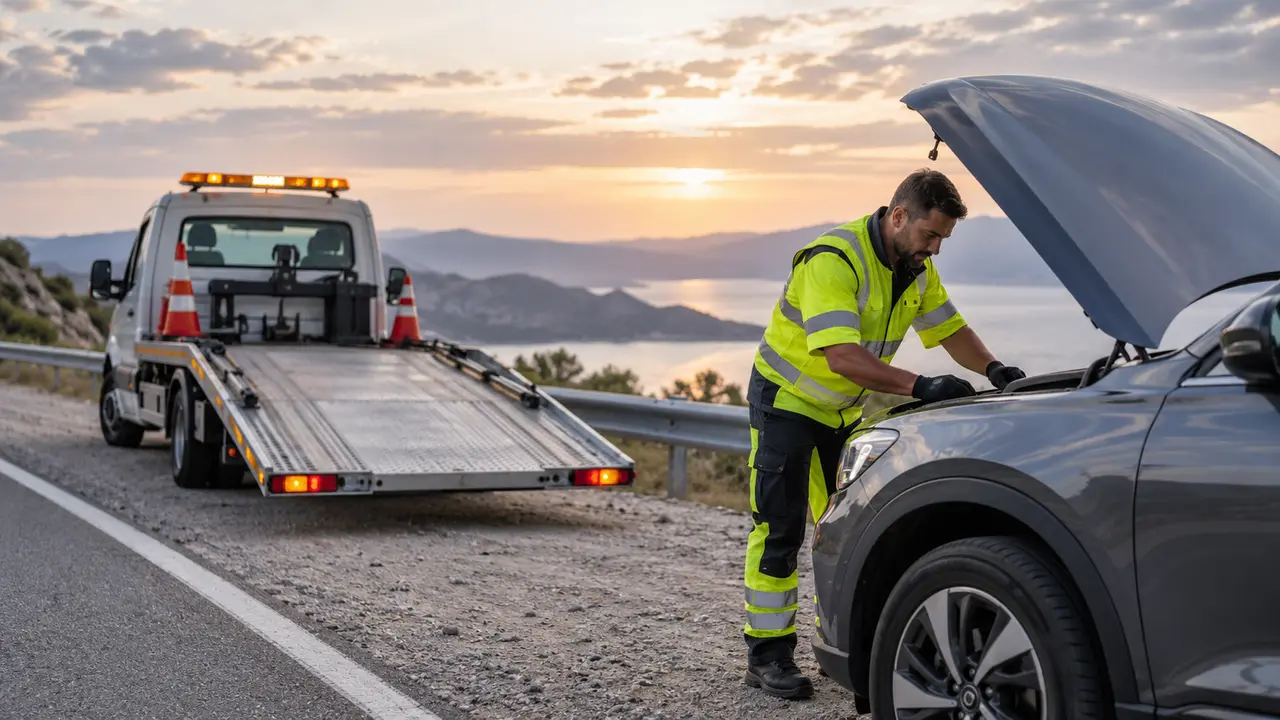
A roadside plan may offer towing, battery jump-start, tyre help, lockout assistance or limited fuel delivery. The exact list, distance cap and conditions vary. Some services repair minor faults at the roadside, while others tow to a suitable workshop. Ask whether parts, batteries, fuel and labour are included or charged separately. A low-priced plan with a short towing limit may be fine in a city but less useful on remote routes. Check whether the service runs at night and on holidays.
Accident recovery can differ
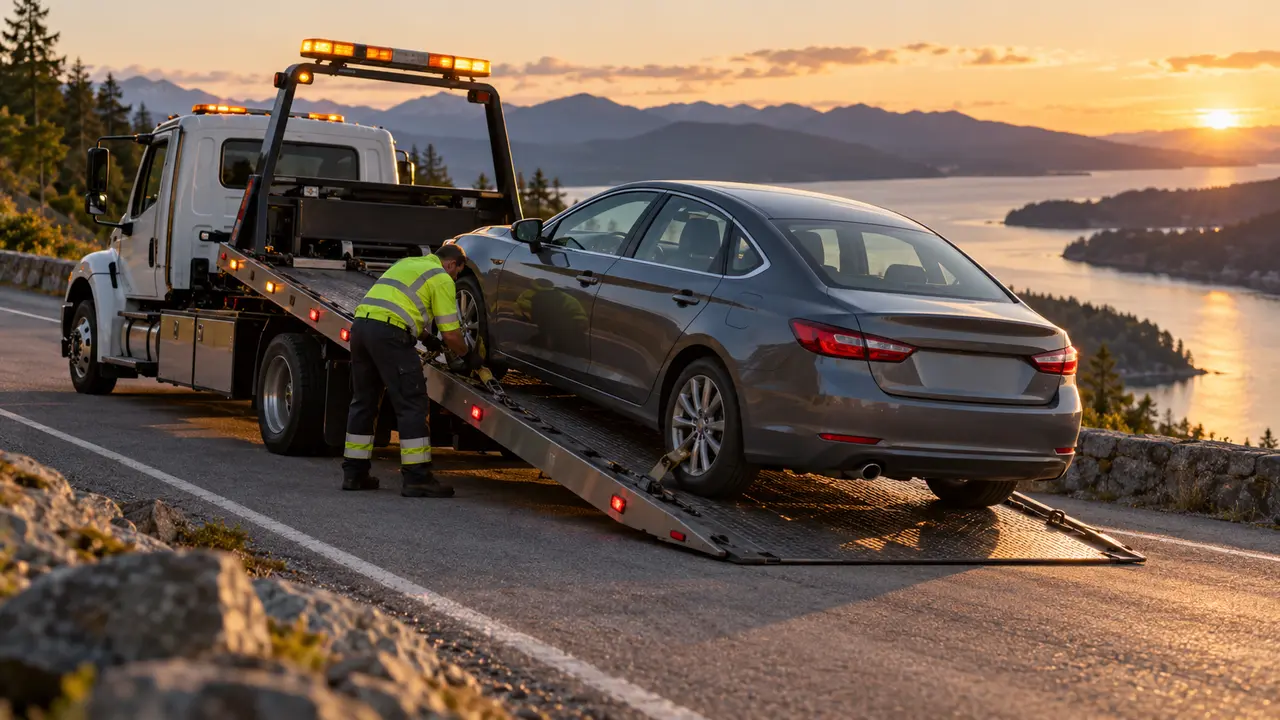
After a collision, a damaged car may need safe recovery even if its engine runs. Insurance and roadside assistance may have separate rules about accident towing. Some insurers require an approved recovery contractor or prior authorization to cover the fee. At the scene, personal safety comes first; use emergency services where necessary. Do not let an unknown tow driver pressure you into signing a blank form or directing the car to an unverified yard. Ask the insurer for its recommended process as soon as it is safe.
Who is covered
Some memberships follow the person, others follow a named car, and others cover a household under stated rules. If you often drive rented or borrowed cars, this difference matters. Check whether the plan covers additional drivers, motorcycles or commercial vehicles. Ask what happens if a passenger calls for help while the named member is absent. The contract should explain identity checks and proof of membership. Never assume every family car is covered because one household member paid for a roadside plan.

Towing limits and destinations
Roadside providers may tow a vehicle to the nearest repairer or for a set distance. Extra kilometres or a preferred workshop can cost more. Ask whether the destination can be chosen, who pays storage fees and whether a second tow is included. On a long trip, recovery to a nearby garage may not solve the problem if parts are unavailable. Consider whether the plan offers onward travel or accommodation support, but verify daily limits and conditions. An advertised unlimited service may still have usage restrictions.
Ask where the tow ends
Find out whether the provider will take the car to a chosen repair shop or only the nearest one, and what extra distance costs.
Help for EVs
An electric car can need recovery after a puncture, 12-volt battery problem, charging fault or unexpected loss of usable charge. High-voltage systems require trained handling, and some vehicles have specific towing methods. The Alternative Fuels Data Center explains EV safety considerations. Ask whether the provider trains recovery staff for EVs and follows the vehicle manual. Do not allow towing with driven wheels on the ground if the maker forbids it. Mobile charging may be offered in some places, but it is not universal.

Lockouts and keys
A lost key or locked car can disrupt a trip even when the vehicle is mechanically sound. A roadside plan may offer access help or a tow, but making a new electronic key can cost extra. Confirm who must prove ownership and whether the service can assist without damaging the vehicle. Do not try improvised tools around window seals or airbags. If a child or vulnerable person is locked inside in dangerous conditions, contact emergency services immediately. A membership helpline is not a substitute for urgent rescue.
Use existing benefits first
Before buying a separate plan, check whether your car manufacturer, insurer, finance package or payment card already includes roadside assistance. Compare coverage dates, service areas and towing limits. Two memberships may duplicate benefits, but having one extra plan can sometimes provide broader support. Do not cancel a useful service based only on a similar title. Write down exactly what each one provides and which phone number to use. Clear contact details save time when you are stranded.

Local and cross-border limits
Roadside programs often have geographic restrictions. Coverage may stop at a national border or require a special travel extension. If you drive abroad, ask about language support, recovery contractors, customs rules and onward transport. Some services pay only after reimbursement, which means you need cash or a card during the breakdown. Local road laws and emergency numbers differ. A plan that works near home may not help on an international journey. Confirm territory before leaving.
A realistic breakdown example
Imagine a driver with comprehensive insurance whose car will not start at a shopping center. The policy covers theft and collision, but not ordinary mechanical failure. A roadside membership sends a technician to check the 12-volt battery and, if needed, tow the car. If a crash caused the failure, accident recovery terms might apply instead. The example shows why both products deserve a separate check. Neither should be assumed to cover every problem simply because both mention vehicles.
Compare response and service quality
Price matters, but so do response coverage, call-center access and contractor quality. Ask how the provider handles busy periods, remote locations and accessibility needs. Some publish target times, but they may not be guarantees. Check independent feedback for patterns of long delays or extra charges. Consider whether an operator can locate you accurately when mobile data is weak. Keep your phone charged and know how to describe the location without relying only on an app. A plan is most valuable when it works under stress.
Plan for a weak mobile signal
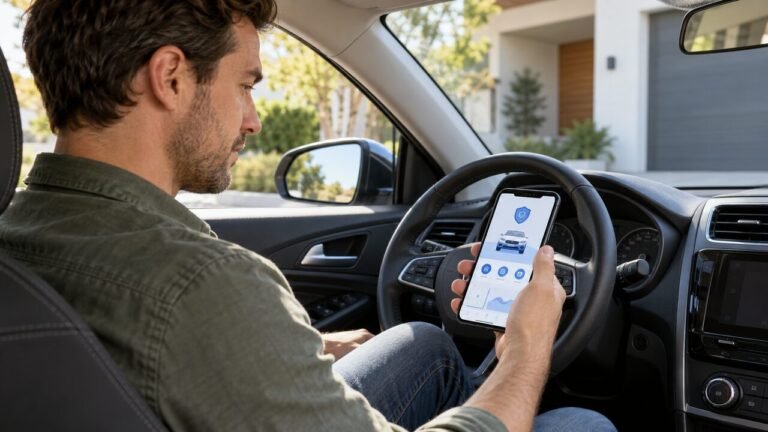
Roadside apps can be useful, but remote areas may have poor data coverage. Before a long journey, save the provider’s telephone number and membership details offline. Know how to describe your location using road signs, landmarks or coordinates from a safe place. Keep a phone charging cable and a practical emergency kit. If the breakdown location is unsafe, contact local emergency services instead of trying to repair the car beside traffic.
Build a roadside plan
Save the insurer, manufacturer and roadside provider numbers before travel. Keep the vehicle ID, policy number and membership details accessible. Carry basic safety equipment suited to the local climate and rules. If the car breaks down, move to a safe location, use hazard warnings as required and call the correct service. Do not work near moving traffic or high-voltage components. After recovery, keep the invoice and note what was covered. Review the experience at renewal to decide whether the plan still offers value.
Keep one emergency card
Store the membership and policy numbers along with two emergency contacts. This can help when phone data is unavailable.
Frequently asked questions
Does comprehensive insurance include towing?
Not always. Accident recovery and breakdown assistance can be different benefits. Check the schedule.
Does roadside assistance pay for repairs?
Usually it focuses on service or recovery. Parts and workshop repairs may cost extra.
Will my plan work abroad?
Only if the contract includes the destination and type of vehicle. Confirm before travel.
Bottom line: Check the service area, towing limit and emergency contact before you need help.