Car Insurance Renewal Checklist 2026: Compare Cover and Avoid Costly Gaps
Renewal is a chance to fix gaps, not just pay another bill
Car insurance renewal can be easy to ignore until the last day. An insurer sends a new price, you click accept, and the old policy rolls forward. That may be convenient, but your car, driving, and household may have changed. A cover that fit last year may now cost too much or leave a gap. A careful review starts before the policy ends, while there is time to compare terms and ask questions.
Do not wait until the final hour. A quote may require documents or a vehicle inspection. If you switch, make sure the new cover starts when the old one ends. Driving without legally required insurance can have serious consequences. Local laws, renewal notices, discounts, and cancellation rules differ, so read your policy and the rules where the car is registered.
Check the information on the renewal notice
Confirm the vehicle registration, make, model, trim, value, address, parking location, drivers, use, annual mileage, and any declared modifications. A change in commute or home address may affect price and cover. If another person now drives the car regularly, tell the insurer as required. An inaccurate declaration can become a problem when a claim is checked. Correct errors before payment and keep the updated schedule.
Look at the policy term, premium, taxes, fees, payment instalments, interest on monthly payments, and any automatic renewal setting. A low monthly number can hide a higher total cost when instalment charges apply. Ask for the full annual price and compare it with last year’s total. Check whether the insurer has changed a benefit, excess, or exclusion even if the premium barely moved.
Do a quick change-of-life check
Has your annual distance changed? Do you work from home more often? Is the car parked in a different place? Have you added a young driver, moved country, fitted a tow bar, or started carrying goods for work? Do not assume personal cover extends to commercial activity. Ask the insurer how each change affects the policy. In many markets, a small administrative update can prevent a large claim dispute later.
Compare like for like
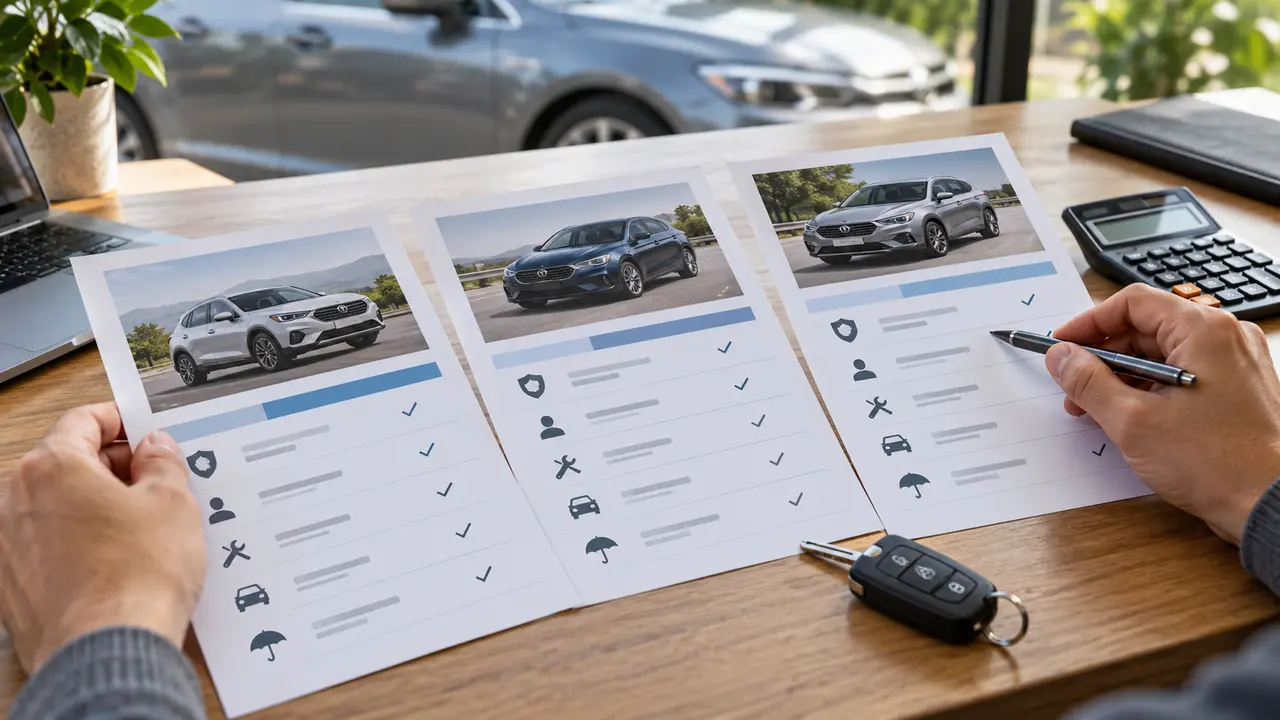
When you seek new quotes, use the same drivers, vehicle details, cover levels, deductibles, and use. A cheaper quote may have a higher excess or lower liability limit. Check theft, weather, glass, collision, roadside help, and temporary transport where relevant. Ask whether you can use a local repairer and whether modern safety-system repairs are handled correctly. The cheapest premium alone is not the best comparison.
Get written quotes from authorised insurers or regulated intermediaries. Not every comparison site lists every provider. Some products differ in service networks, claim routes, and renewal terms. Read the policy summary and full wording before switching. The National Association of Insurance Commissioners</a offers US consumer advice on comparing auto cover. Use it as a checklist and confirm legal details with your own market's regulator.
Choose a deductible you can pay
A higher deductible or excess may reduce the premium, but it raises your out-of-pocket amount after some claims. Ask what applies to collision, theft, glass, and other losses. If an unexpected repair would force you to borrow, a very high excess may be unwise. If you have savings and a stable risk profile, you may prefer a different balance. Our insurance deductible guide</a explains the trade-off.
For example, one policy saves 180 units a year but increases your excess by 600. You would need several claim-free years to offset the extra cost of one covered loss, assuming terms stay similar. This is not a forecast of claims. It simply shows the trade-off in numbers. Compare the maximum amount you could pay, not just the discount shown beside the quote.
Review the car’s value and finance
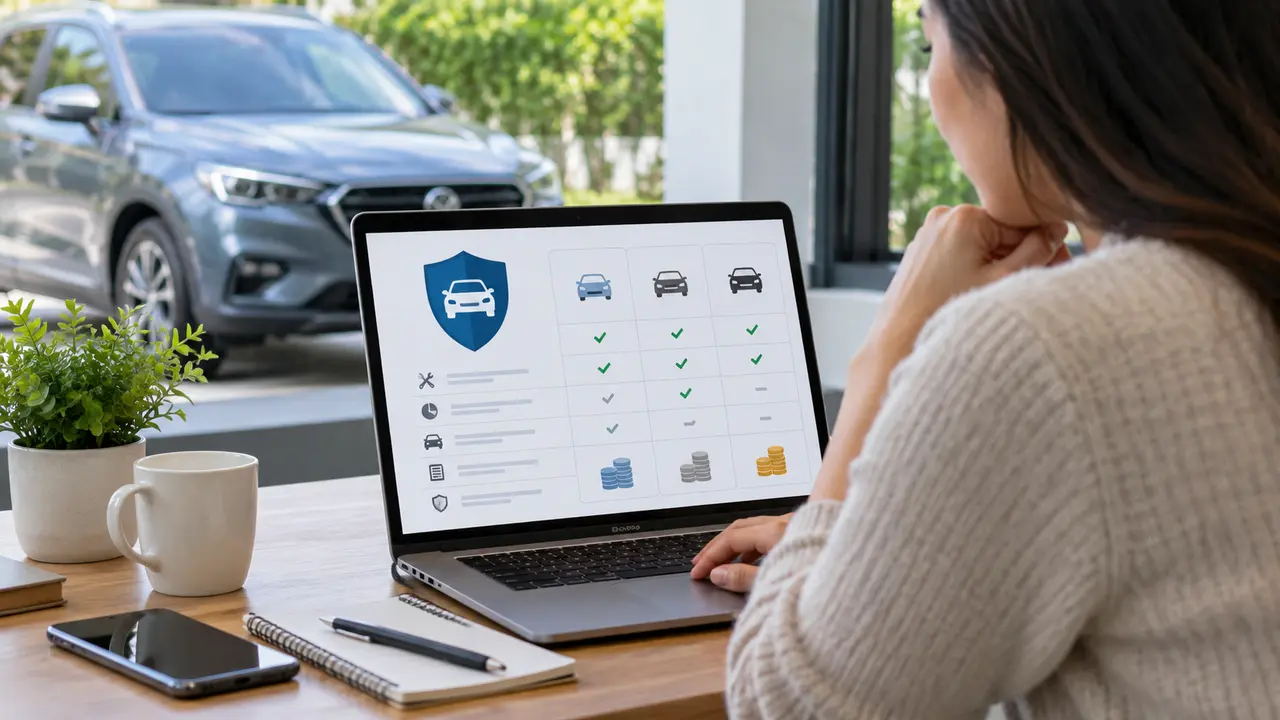
A car’s market value may fall each year. That can affect whether optional own-damage cover remains worthwhile and how a total loss may be settled. Yet the risk of a costly accident does not disappear because a car is older. Assess the replacement cost you could handle. If the vehicle is financed or leased, check the lender’s insurance requirements and whether any gap between settlement and debt could remain.
Do not overstate the vehicle value to chase a larger payout. Many contracts settle on market value or a specific agreed-value basis, not the number you type into a form. Ask which basis applies. If you have added an expensive accessory or modified the car, check whether it is included and what evidence is needed. Keep receipts and photos where useful.
Do not pay twice for the same service
Roadside assistance, key cover, legal costs, replacement transport, and glass protection may be offered as extras. Check whether you already have similar benefits through a car warranty, motoring club, employer, or payment card. Overlap may not be worth the fee. At the same time, removing a useful add-on can create an expensive surprise. Decide based on how you use the car and what alternative help you have.
Read the conditions. A rental car benefit may apply only during a covered repair and for a limited number of days. Roadside cover may limit calls, distance, or geographic area. An extra that looks comprehensive in a sales message can have a narrow definition in the contract. Ask for a worked example if the wording is unclear.
The renewal comparison checklist
- Confirm drivers, mileage, parking and vehicle use.
- Match liability and damage coverage across quotes.
- Compare all deductibles, fees and payment interest.
- Check repairers, exclusions and optional benefits.
- Make the new policy start before the old one ends.

Understand discounts before relying on them
A no-claims discount may change after an at-fault claim or under other conditions. Some insurers offer protection for that discount, but it may not freeze the base premium. Discounts for limited mileage, security devices, garaging, multiple vehicles, or telematics can also have rules. Ask what you must do to keep the benefit and whether sharing driving data affects privacy. A small saving is not worth a condition you cannot follow.
If your driving pattern has changed, request a fresh quote rather than assuming the old discount still fits. Keep declarations honest. A policy issued on incorrect information may be much more costly than paying the right premium. If a seller suggests an inaccurate answer to lower the price, refuse and contact the insurer directly.
Check the claims service, not just the price
A claim may involve a local garage, photos, an app, a loss adjuster, and several weeks of repair. Read how the insurer handles claims and what support is available. Independent complaint data from a regulator can be useful where published, but use it with care. A small insurer with few complaints may also have few customers. Look at clear policy terms, authorised status, and the repair network relevant to your location.
Ask whether a policy covers manufacturer repair procedures, calibration of driver assistance systems, and suitable parts where the loss is covered. Some modern repairs are more complex than replacing a bumper. A strong insurer should explain the process rather than promise every repair will be free. Keep that explanation with your policy.
Switching insurers without a gap
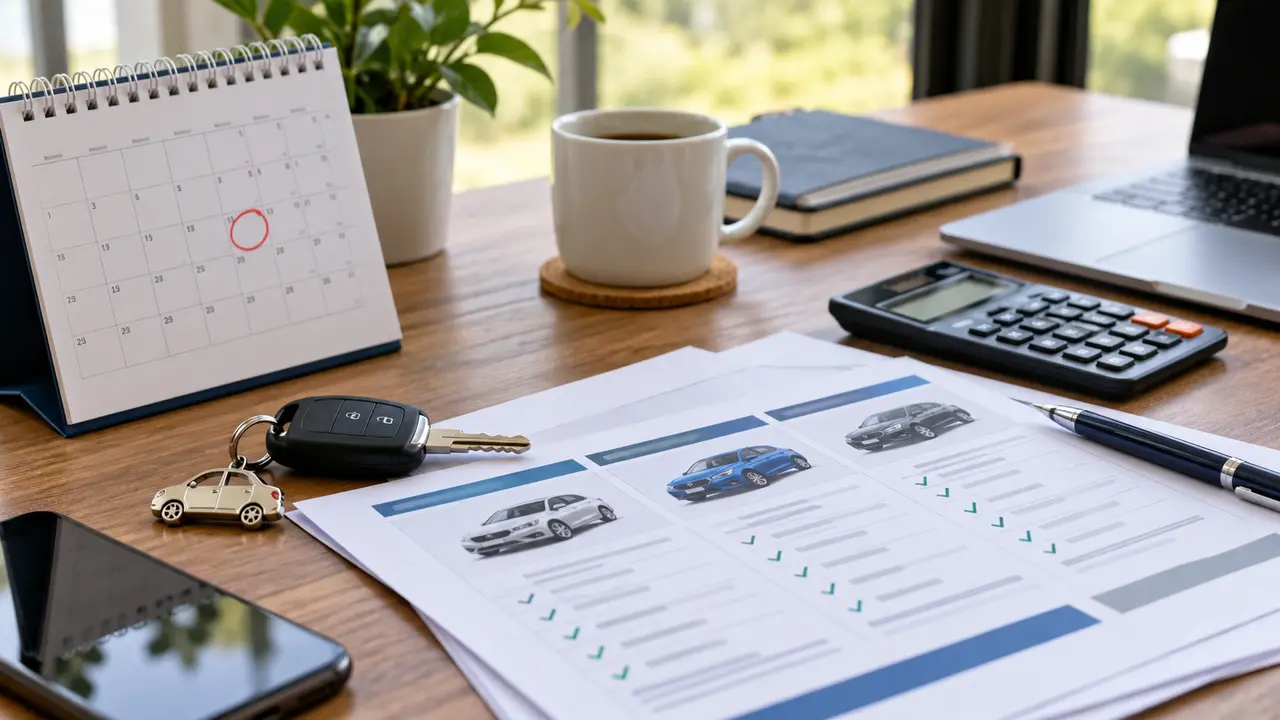
Check the start date and time, not only the day. Some policies begin at midnight locally; others start when payment is accepted or documents are issued. Confirm the new policy is active before cancelling or declining the old renewal. Ask about any cancellation fee, refund, and proof of no-claims history. Keep both confirmation messages. Do not assume a quote is binding coverage.
If you finance the car, tell the lender where required. If you drive abroad, check whether the new insurer provides the necessary documents and geographic cover. A cheaper local policy may not serve your travel needs. Check these details before the old cover ends.
What if your premium rises sharply?
Ask for a breakdown of changes where the insurer can provide one. General repair costs, local theft or weather risk, claims history, policy changes, and rating models can affect price. Do not assume an increase means your personal driving worsened. Check whether a discount expired or a declaration changed. Then get like-for-like quotes from other providers. If you suspect an error, ask for a written correction.
A higher quote may still provide good value if coverage improved, but that must be clear. It may also be worth changing payment frequency if instalment interest is high. Never let a salesperson pressure you into cutting required cover to hit a monthly target. Adjust the choice with a full view of risk and cost.
Make a short renewal file
Save the policy schedule, full wording, quote comparison, proof of payment, claims contact, and date of next review. Keep emergency details somewhere you can reach without relying on mobile data. If the car is shared, tell other authorised drivers how to contact the insurer after an incident. Privacy matters, so share only the documents and details they actually need.
Renewal is one of the few times when you can improve protection before a problem occurs. Start early, confirm facts, compare the same coverage, and choose an excess you can afford. A thoughtful 30-minute review can be more useful than accepting a price or switching purely for a small discount.
A practical household example
A driver worked from an office five days a week but now travels there twice. The family has also added a second named driver. At renewal, they correct annual mileage and driver details, then compare three policies using the same liability limits and excess. One quote is cheaper but excludes a service they need on long journeys. Another has a smaller excess and better nearby repair access. Their decision reflects the whole contract, not one headline price.
If you also plan to hire a car during travel, check rental cover separately. Our rental car insurance abroad guide explains why home-policy benefits may not follow you everywhere. Keep that question off the last-minute counter conversation.