Usage-Based Car Insurance in 2026: Savings, Driving Scores and Privacy Risks
Usage-Based Car Insurance in 2026: Savings, Driving Scores and Privacy Risks
Your car insurance company offers a lower price if you let an app track how you drive. The offer sounds simple. But what will the app record? Can your price rise later? What happens if someone else drives the car? Those questions matter more than the discount shown on the first screen.
Usage-based car insurance, often called UBI or telematics insurance, uses some data about driving to set or adjust a premium. Programs differ by company and country. This guide helps you compare an offer, understand its limits and protect your data before you sign up.
How usage-based car insurance works
Traditional motor insurance uses factors such as coverage, vehicle type, claims history and location. A telematics program adds information from actual vehicle use. That might include distance, time of day, braking, acceleration or phone activity during trips.
The National Association of Insurance Commissioners explains that usage-based insurance aims to link a driver’s behavior more closely to premium pricing. A program may use a phone app, a device in the car or data from a connected vehicle.
Some programs offer a participation discount, then calculate a score after a trial. Others offer pay-per-mile pricing, where a base charge is combined with distance driven. A third may review how you drive at renewal. The policy rules decide whether the outcome can be a discount, an increase or both.
Pay as you drive versus pay how you drive
Pay-as-you-drive insurance mainly focuses on how much you use the vehicle. It can suit someone who drives little. Pay-how-you-drive programs consider driving patterns, such as braking or night travel. Some products combine the two.
For example, a person who works from home and drives only for local errands may benefit from a mileage-based plan. A delivery driver who covers many kilometers each day may not. A safe driver who travels at night for shift work may find behavior scores less favorable if the program treats night journeys as higher risk.
What data might an insurer collect?
Programs can record trip length, start and finish times, speed, strong braking, rapid acceleration, turns and phone use. A connected system may also collect location information. The exact list should be in the provider’s privacy notice and insurance terms.
The US Consumer Financial Protection Bureau’s description of Arity gives an example of the kinds of driving data a specialist company may collect and report. This does not mean every insurer collects the same fields.
Ask whether the app works only during a trip or continuously in the background. Find out how it identifies the driver when you are a passenger in someone else’s car. If another person uses the insured vehicle, ask how their driving affects the policy.

Can telematics insurance really save money?
It can, but there is no reliable global discount that applies to everyone. The quote depends on your country, coverage, driver record, car and insurer. A high advertised saving may be the maximum available, not the average result.
Instead of focusing on a percentage, compare the annual amount you would actually pay. Ask for a standard quote with the same coverage and a telematics quote. Then check what happens after the first monitoring period.
Compare total cost, not a headline offer
Imagine a regular annual policy costs 800 units of your local currency. A telematics policy starts at 720, but it can rise to 900 after a poor score. That is a different risk from a plan that only gives a smaller discount without any score-based surcharge. Do not guess which applies. Read the contract.
Keep coverage limits, deductibles, exclusions and add-ons equal when comparing. A lower telematics premium is not a saving if it removes essential cover or adds a large excess after a claim.
The NAIC’s consumer guide encourages drivers to understand how behavior-based pricing differs from ordinary policies. Ask the insurer to show how the scoring model affects your price, even if it cannot disclose every technical detail.
Who might benefit most?
Low-mileage drivers are natural candidates for distance-based insurance. Someone who drives mostly during the day, keeps a steady pace and rarely uses a phone while driving may find some behavior programs attractive. Yet the actual scoring rules vary, so the same habits can produce different results with different insurers.
Do not change safe driving habits just to game an app. Sudden braking can be the right response to a child entering the road. A useful insurer should explain how its system treats unavoidable events and whether you can challenge a mistaken trip record.
What about shared cars?
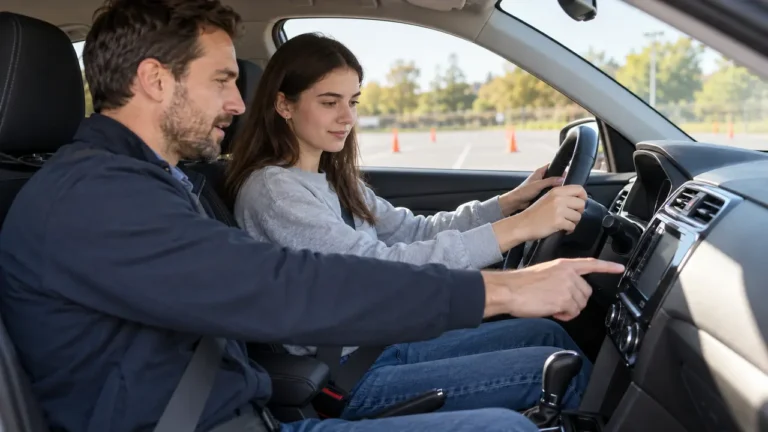
If a family shares one vehicle, confirm whether every named driver must use the tracking app. Ask whether a young driver, occasional driver or valet trip changes the score. If the program cannot separate drivers reliably, one person’s habits may affect everyone on the policy.
For a car used by several people, a straightforward fixed premium may be easier to manage. Savings are only useful when the rules fit how you actually use the vehicle.

Privacy: the question behind the discount
Driving data can reveal more than driving style. Regular journeys may show a person’s work schedule, home area, medical visits or other sensitive patterns. Even when an insurer says it needs the data for pricing, you should understand who receives it and how long it is kept.
The UK’s Information Commissioner’s Office treats identifiable telematics data as personal information within its data protection guidance. Laws and rights differ globally, so check the privacy rules that apply where you live.
Questions to ask before sharing your trips
Find out the exact fields collected, the companies that receive them, whether data can be used for other insurance products, and whether it is sold or shared with data brokers. Ask how long raw trip records remain in storage and what happens when you cancel.
Also check whether the policy gives you access to your data, allows correction of false records or offers a way to contest a decision. If the answers are vague, that is a reason to pause. A discount does not remove the need for clear consent and fair treatment.

What can make a score unfair or misleading?
A phone may record a trip while you are a passenger. A harsh-braking event may be caused by a sudden hazard. Night driving may be part of a person’s job, not a sign of reckless behavior. Context matters, but automated scoring does not always capture it.
Ask whether the app lets you correct passenger trips or dispute unusual events. Check whether the device records speed against a reliable map limit. Temporary roadworks and outdated speed data can cause mistakes.
The NAIC’s insurtech overview notes wider concerns around personal data, security, bias and transparency in technology-led insurance. A good consumer comparison looks at the insurer’s correction and appeals process as well as the price.
How to compare two usage-based policies
Request written quotes for the same cover and date. Then ask each provider to explain its monitoring period, score factors, premium changes, cancellation rules and data retention. If it is pay-per-mile, confirm the base charge and the exact mileage rate.
Do not forget ordinary insurance questions. How much do you pay after a claim? Is towing covered? What is the deductible? Are other drivers covered? Does the policy work when you cross a border? Those points may matter far more than a small score discount.
A simple seven-point check
- Compare the final price for equal coverage and deductibles.
- Confirm whether tracking can raise the premium, not just lower it.
- Read which trips, drivers and behaviors are scored.
- Check correction and complaint options for wrong data.
- Review data sharing, deletion and retention terms.
- Ask what happens after cancellation or changing phones.
- Keep a written copy of the quotation and contract.
For international readers, the wording of an insurance quote and the rights attached to it will depend on local rules. Do not copy a US or European consumer guide as if its legal rights automatically apply worldwide.
Do EVs use telematics insurance differently?
Some electric vehicle makers and insurers can use built-in connected-car data, while other programs rely on phone tracking. That does not make a telematics policy essential for an EV. Vehicle repair cost, driver history and cover choices still influence premiums.
According to NAIC’s EV insurance guidance, availability and premium impact of usage-based programs vary by provider and market. Ask whether battery, charging equipment and high-voltage repairs are covered separately from telematics scoring.
If an insurer asks for direct vehicle-data access, check which permissions you grant and whether the car’s main account holder can revoke them. A car purchase and an insurance subscription should not make ownership of driving data unclear.
When a regular policy may be better
A fixed-price policy may suit drivers who value predictable bills, share a car widely or do not wish to disclose travel patterns. It may also be easier for people whose work involves night driving or frequent changes of route.
That does not make telematics bad. It means a policy should fit your needs. If the potential saving is small and the privacy terms are broad, you may prefer to compare ordinary policies or change coverage options instead.
How to leave a telematics program
Before joining, read the cancellation and renewal rules. Some programs can be stopped without penalty; others may recalculate the price, remove a discount or require the return of equipment. Do not assume deleting the phone app cancels the insurance contract or deletes the data.
When you leave, follow the insurer’s process in writing. Ask for confirmation of policy status, device return, data retention and any premium adjustment. Keep the record with your insurance documents.

Frequently asked questions
Does telematics always lower car insurance?
No. Some policies provide discounts, while others may adjust premiums based on driving or distance. Your result depends on the policy terms and your circumstances.
Can a driving app track my location?
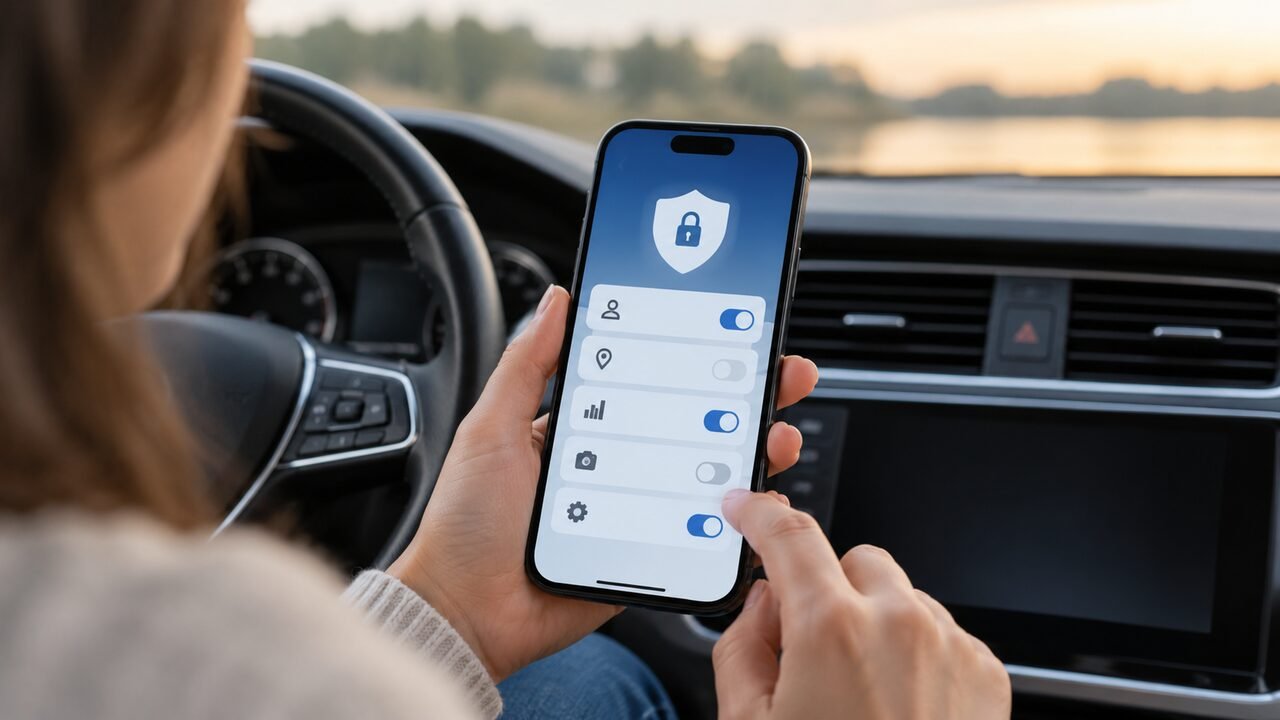
Some programs collect trip location or route data. Others use fewer details. Read the exact privacy notice and app permissions rather than assuming all products are alike.
What happens if I brake hard to avoid a crash?
The event may be recorded. Ask whether the insurer reviews context and allows corrections or appeals. Never avoid necessary braking because of a score.
Is telematics insurance available in every country?
No. Providers, pricing methods and data protection rules vary. Compare local licensed insurers and check current policy documents.
The bottom line
Usage-based car insurance can be worthwhile when the saving is real, the scoring rules are fair and the data terms are clear. Compare equal coverage, check whether your premium can increase, and learn exactly how to leave. The best policy is one that protects you without creating surprises about price or privacy.