A Practical Guide to Understanding and Managing Your Emotions

Most people feel emotions all day but don’t really understand what those feelings mean or what to do with them. You might feel stress at work get irritated in traffic or worry about what’s coming next. These reactions feel automatic and sometimes hard to control.

This Is Not A Personal Fault

It’s not that something is wrong with you it’s just a skill most people were never taught.

Emotions Follow Patterns

Emotions are not random they come from your thoughts past experiences and what’s happening around you. Once you start noticing these patterns things begin to make more sense.

Awareness Gives You Control

When you understand what’s going on inside you it becomes easier to stay in control. Without that awareness emotions end up controlling your actions.

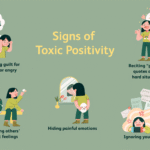
Forget Forced Positivity

A lot of advice tells you to just stay positive or think happy thoughts but that doesn’t really help in real situations. Ignoring emotions doesn’t solve anything.

Focus On Understanding Instead

What actually helps is learning to understand what you feel and handling it in a simple practical way.

What You Will Learn Here

This is about small actions you can use in daily life without making things complicated. You’ll learn how to notice what you feel understand why it happens and respond in a calmer way.

The Real Goal

The goal is not to remove emotions it’s to handle them with awareness so they don’t take over.

Notice Your Emotions First

Most people react before they even realize what they’re feeling. A comment triggers anger a delay brings stress a mistake creates frustration. It all happens fast.

Why This Matters

This habit can create problems in work relationships and daily decisions because you react without thinking.

Create A Small Pause

When you start noticing emotions early you create a small gap between the feeling and your reaction. That gap gives you control.

Without This Gap

Your reaction decides everything and you just go with it without thinking.

A Simple Way To Check In

During the day just pause for a moment and ask yourself what am I feeling right now. Don’t try to fix it just notice it.

Keep It Easy

You don’t need anything complicated just a quick check in is enough.

A Real Life Example

You get a short message from your manager and suddenly feel tense. Instead of reacting just pause and say I feel anxious.

Why This Helps

That one small step reduces the intensity and helps you think more clearly before you respond.

Build The Habit Slowly

You don’t need long meditation or big effort. Short moments of awareness repeated during the day slowly build this skill.

Consistency Matters More

Doing it often in small ways works better than trying to do something big once in a while.

Name What You Feel Clearly

When you can’t name what you feel everything seems confusing and heavy. Many people just say I feel bad or stressed but that’s too vague.

Clear Words Bring Clarity

The more clearly you name it the easier it becomes to understand what’s going on.

Why Naming Helps

Studies in psychology show that putting a clear label on emotions can reduce how intense they feel. It shifts your mind from reacting to understanding.

From Reaction To Control

Once you name it you start handling it instead of being pulled by it.

Use Simple And Specific Words

Try not to use just one general word. There’s a difference between anger and frustration and also between stress and pressure.

Try Saying It Like This

  • I feel frustrated because this task is slow
  • I feel anxious about the result
  • I feel disappointed after that conversation

Turn Emotions Into Signals

When you name emotions clearly they start to feel less heavy and more like useful signals. You begin to understand what you actually need in that moment.

Respond In A Better Way

Frustration might mean you need a break anxiety might mean you need a plan and disappointment might mean you need time to reflect. Clear naming helps you respond instead of react.

Understand Why Emotions Happen

Emotions Have Causes

Your emotions do not appear without a reason. Each feeling links to a trigger. The trigger can come from a situation or from your thoughts. If you ignore the cause, the same emotion returns again.

When you understand the reason behind a feeling, you deal with the source instead of reacting to the surface.

Common Emotional Triggers

Most emotions connect to a few factors. Your expectations. Your past experience. Your unmet needs.

Real Life Insight

You feel upset when someone ignores your message. You think the problem is anger. Look deeper. You expected a reply. You may also connect it to a past moment where you felt ignored.

Ask yourself one question. Why do I feel this way

This shifts you from reaction to analysis. You choose a better response. You follow up. Or you adjust your expectation.

Understanding the cause does not remove emotions. It makes them easier to manage.

Know the Difference Between Reaction and Response

Why the Pause Matters

A reaction is fast and automatic. It comes from habit and emotion. A response is slower and chosen. It comes from awareness and intent.

This small gap shapes your results at work and at home.

When you react, you speak or act before you think. This can damage trust. It can increase stress. When you respond, you pause and process. You act with purpose.

Teams at Google train people to pause in high pressure moments. Clear thinking leads to better results than fast reactions.

A Simple Method to Create Space

Use a short pause. You do not need much time.

  • Stop
  • Take a breath
  • Check your intention

Practical Use in Daily Life

A colleague questions your work in a meeting. Your first instinct is to defend yourself. Pause. Ask yourself what result you want. Then respond with a calm statement or a clear question.

Each pause trains your mind. Over time, you choose better actions.

Notice How Your Body Signals Emotions

Read Physical Cues

Your body shows emotions before your mind explains them. You feel tight shoulders. Your heartbeat speeds up. Your chest feels heavy.

These are early signals. They show that something needs attention.

If you ignore them, emotions build. If you notice them early, you act before they grow stronger.

Build Body Awareness

Pay attention to small changes in your body during the day. Notice how you feel in meetings, while traveling, or during long work hours.

Example from Real Life

Professionals in high pressure roles, including leaders at Microsoft, use short check ins. They pause and ask where they feel tension. If they notice tightness, they stretch or take a short walk.

You can do the same. If your jaw tightens, relax it. If your breathing feels shallow, slow it down.

Your body sends signals. When you read them early, you stay in control.

Manage Emotional Overload in the Moment

Stay Steady Under Pressure

Some moments feel intense. You face conflict. You deal with deadlines. You feel uncertainty.

You do not need to suppress emotion. You reduce its intensity so you can think clearly. When intensity drops, you make better choices.

Practical Techniques That Work

Use simple methods that work in real situations.

Try This

  • Take slow breaths and count to five
  • Step away for a short time if you can
  • Focus on one small action

For example, during a tight deadline at Amazon, teams break work into small tasks. This reduces stress and keeps progress clear.

Use these tools when emotions rise. With practice, you stay calm and handle pressure with control.

The Role of Thoughts in Emotional Patterns

How Thinking Shapes Feeling

Your thoughts play a bigger role than you think. It’s not always the situation… it’s how you see it.

Two people can go through the same thing and feel completely different. One feels stressed, the other feels okay. The difference is in their thinking.

If your mind says, “This is going to fail,” you’ll probably feel anxious.
If it says, “I can handle this,” you feel more focused.

Nothing outside changed… just the way you looked at it.

Changing Unhelpful Patterns

You don’t have to control every thought. That’s not realistic.

Just notice the ones that keep coming back. The same negative lines playing again and again.

Once you notice them, you can slowly change them.

A Practical Approach

When you feel something strong, pause and ask yourself:

  • “What am I telling myself right now?”

If it helps, write it down.

Then check… is this even true? Or am I just assuming the worst?

Instead of saying, “I always mess this up,”
try, “I made a mistake… I can fix it.”

It’s a small shift, but it changes how you feel and what you do next.

Even people working in high-pressure environments, like those discussed in Harvard Business Review, use this kind of thinking to make better decisions.

Your thoughts guide your emotions. Change the pattern a little, and your reactions start to change too.

Letting Go of Emotional Build-Up

Why Emotions Accumulate

Emotions don’t just disappear because you ignore them. They stay in the background.

Small frustrations, work stress, things you didn’t say… it all adds up.

Then one day, something small happens and you react way more than expected.

That’s usually build-up.

Healthy Ways to Release

You don’t need anything complicated. Just simple ways to let things out.

Practical Methods That Work

  • Writing helps a lot. Just take a notebook and write whatever you’re feeling. Don’t try to make it sound good. Just get it out.
  • Talking to someone you trust also helps. Even a short honest chat can clear your head.
  • And movement… even a walk or a bit of stretching. Your body holds tension, and moving helps release it.

A lot of people use these small habits to stay clear during busy days.

If you release things bit by bit, they don’t pile up.

Building Daily Emotional Stability

Why Routine Matters

Stability doesn’t come from one big change. It comes from small things you do every day.

If you don’t have some structure, your mood depends on whatever happens around you.

But with a simple routine, you feel more steady… even when things get stressful.

Creating a Simple Daily System

Keep it basic. No need to overthink.

A Practical Daily Structure

  • Start your day with a quick check-in.
    “How do I feel?”
    “What matters today?”
  • During the day, take short breaks. Even five minutes can reset your mind.
  • At night, just think about what went well and what didn’t. No judgment.

Even people in companies like Apple follow simple routines like this to stay clear and focused.

It’s not about doing a lot. It’s about doing small things consistently.

Handling Difficult Emotions Like Anger and Anxiety

Facing Intense Emotions

Some emotions hit harder… anger, anxiety. They can take over fast.

Ignoring them doesn’t work. You need a simple way to deal with them when they show up.

A Balanced Approach

First, accept it’s there. Don’t fight it.

Then try to lower the intensity a bit so you can think clearly.

Real-World Application

If you feel angry in a conversation, pause before speaking. Just take a few breaths.

Then say what you need to say, but calmly.

For anxiety, focus on what you can actually control.

If you’re stressed about a big task, don’t think about the whole thing. Just take one small part and start there.

Even guidance shared by groups like the World Health Organization talks about using simple steps like this to manage stress.

Handling emotions isn’t about forcing control.
It’s about slowing down… and choosing your next step carefully.

Set Emotional Boundaries In Daily Life

Your mood is shaped a lot by the people and situations around you. If you don’t set boundaries you end up carrying stress that isn’t even yours and that drains you over time.

Protect Your Time And Energy

Boundaries help you protect your time energy and focus so you can stay balanced while still dealing with people around you.

Where Boundaries Really Matter

You need them at work in relationships and even in small daily interactions. They don’t have to be strict or rude they just need to be clear and consistent.

Keep It Simple And Clear

When people know your limits things feel easier and you don’t feel pulled in every direction.

How This Looks In Real Life

At work you don’t have to say yes to everything especially if it affects your main tasks. You can be clear about your time and what you can handle.

In Your Personal Life Too

It also means spending less time with people who constantly bring stress or negativity into your space.

  • Say no when something doesn’t fit your priorities
  • Set clear times when you’re available
  • Step back from draining conversations

Manage Your Energy Not Just Your Time

Even in busy roles people set limits to stay focused. Teams at places like LinkedIn often manage their schedule by limiting meetings and unnecessary communication.

Choose Where You Engage

You don’t have to give your full energy to every conversation. Some things don’t need your attention and it’s okay to step back.

Build Emotional Strength Over Time

Handling emotions isn’t something you fix once and forget. It’s something you build slowly with practice and awareness.

Think Long Term Not Quick Fix

Quick techniques help in the moment but real strength comes from learning and improving over time.

Create A Strong Base With Simple Habits

Focus on small habits that support your mind and repeat them daily. They don’t have to be big to be effective.

Learn From Your Own Patterns

Pay attention to what triggers stress or frustration and adjust how you respond next time. That’s how you improve step by step.

Keep Learning And Reflecting

You can also learn from trusted sources and real experience. Research shared by Harvard Medical School often talks about how awareness and routine support mental well being.

Stay Consistent With Small Actions

Things like short reflection writing your thoughts or just pausing during the day help more than you think when done regularly.

What Emotional Strength Really Means

It doesn’t mean you stop feeling things. It means you understand what you feel and handle it in a clear steady way.

Stay Balanced Not Perfect

You’re not trying to control everything just learning to respond better over time.

Final Thought

Understanding your emotions is a practical skill that affects your work your relationships and how you deal with life. It’s not about talent it’s about awareness and small daily actions.

Keep It Simple And Consistent

You don’t need anything complicated just notice what you feel name it understand why it’s happening and choose how you respond.

  • Notice your emotions during the day
  • Name them clearly
  • Understand what caused them
  • Choose your response instead of reacting

Build Calm Step By Step

Over time these small habits build strong emotional stability. You handle pressure better deal with tough feelings in a balanced way and protect your mental space with clear boundaries.

Let It Grow Naturally

It takes time but it works if you stay consistent. Step by step you build a calmer clearer way of handling emotions that supports both your personal and work life.

Leave a Reply

Your email address will not be published. Required fields are marked *