Bidirectional EV Charging in 2026: V2H, V2G, Costs and Compatibility
Bidirectional EV Charging in 2026: V2H, V2G, Costs and Compatibility
Can an electric car keep the lights on during a power cut? Some can, when paired with the right equipment. Others can power small devices but not a house. Many EVs cannot send electricity outside the car at all. The difference matters before you spend money on a charger.
Bidirectional charging lets energy move both into and out of a vehicle battery. In 2026, interest is growing as households look for backup power and electricity grids manage higher demand. Yet this is not a plug-and-play feature for every car or country.
This guide explains V2L, V2H, V2B and V2G, then walks through the equipment, safety checks and cost questions that make a real project work.
What does bidirectional EV charging mean?
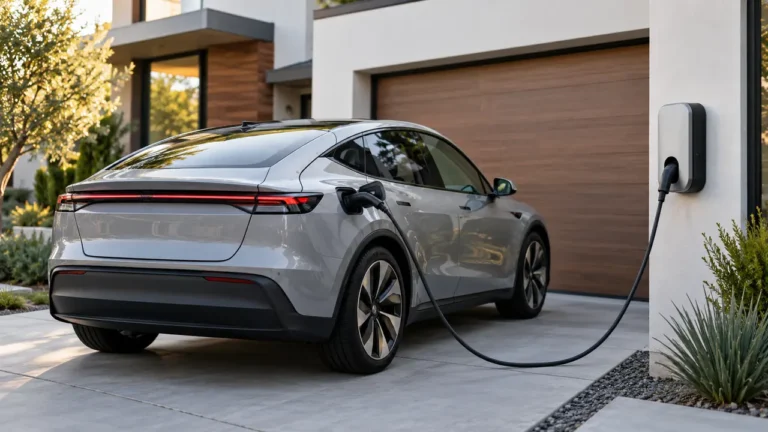
A normal charger sends electricity from a source to the car. A bidirectional system can also take energy from a compatible vehicle and deliver it to an external load. That load might be an appliance, a home, a commercial building or an electricity grid.
The US Department of Energy describes bidirectional vehicles as mobile storage that can support buildings and grid services when paired with suitable charging equipment. The words “when paired” are important. A vehicle feature alone does not make a safe home installation.
V2L: vehicle to load
V2L supplies power to a small external device, often through a vehicle outlet or an approved accessory. It can help at a campsite or worksite. It does not automatically connect the car to home wiring. The output power and supported devices depend on the model.
V2H: vehicle to home
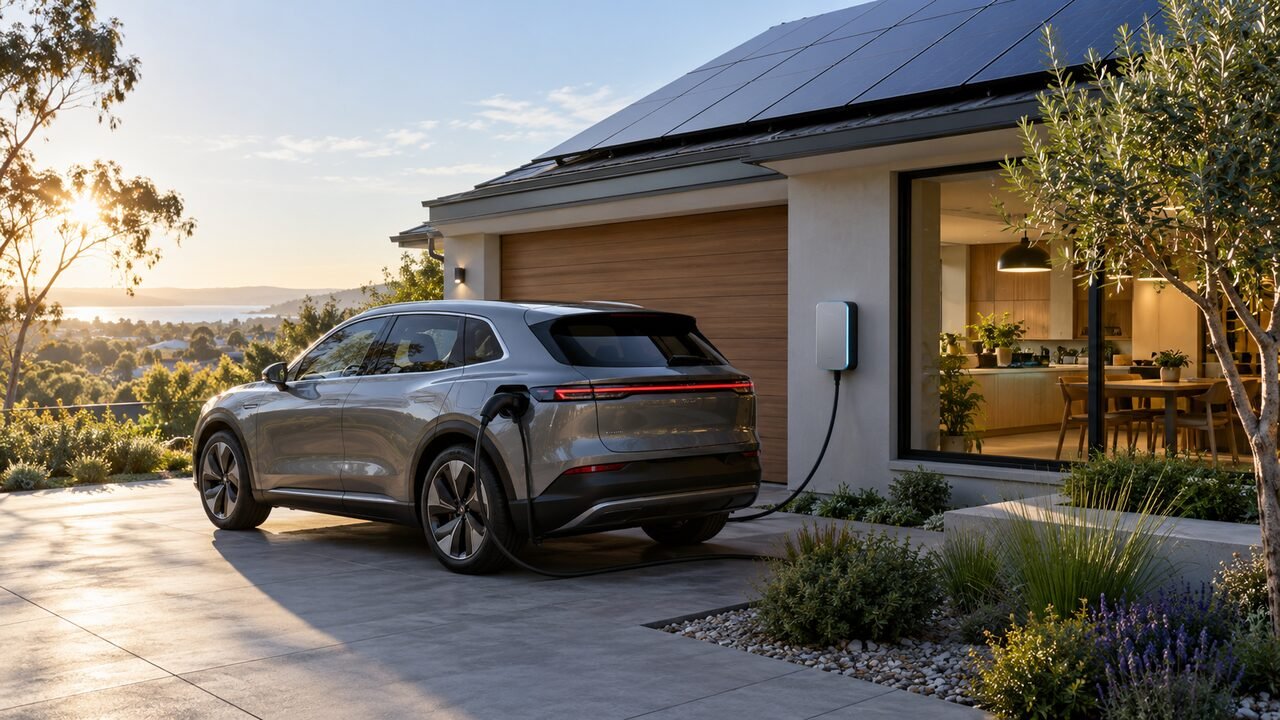
V2H means the car can supply electricity to a house through compatible equipment. A proper system can isolate the home from the grid during an outage where local rules and the system design allow it. The house may run selected essential circuits rather than every appliance.
V2B and V2G
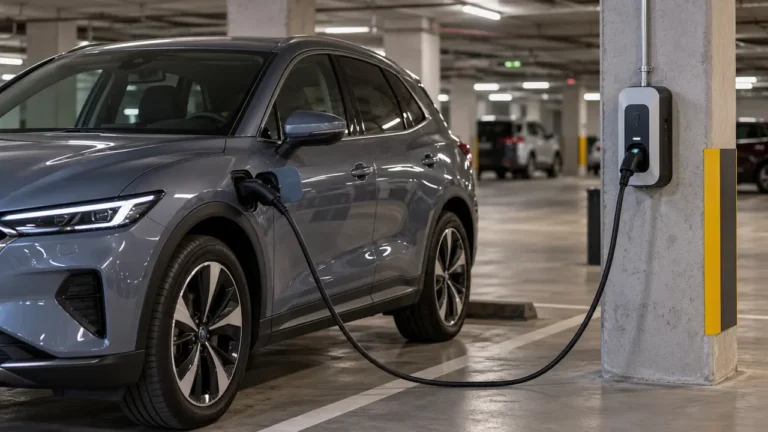
V2B supplies a building such as an office. V2G sends energy to the electricity grid, often under a utility or aggregator program. Both require compatible hardware, controls and local agreements. Being able to power a kettle through V2L is not proof of V2G support.
The International Energy Agency’s 2026 review explains that smart and bidirectional charging may reduce charging costs and sometimes support grid services. “May” matters: revenue depends on programs that are not offered everywhere.

Does your electric car support power export?
Start with the vehicle manual for the exact model year and market. Some cars offer V2L only. Some support approved V2H equipment. Some have hardware that might support future services but are not enabled today. Do not rely on a sales brochure from another country.
Ask the manufacturer which modes are officially supported, what equipment is required and whether using them affects warranty terms. Check export power limits, minimum battery reserve settings and whether the system works in an outage.
What about charging connectors?
A familiar connector does not prove that power can flow both ways. Communication protocols, vehicle software and charging equipment need to work together. CharIN has published interoperability work tied to ISO 15118-20 bidirectional power transfer, but standards progress does not mean every current charger supports it.
Ask for a specific supported vehicle-and-charger combination. If a vendor cannot show an approved compatibility list, do not plan a costly installation on promises about future updates.
What hardware does a home system need?
A home backup system often needs more than an EV charger. Depending on the design, it may use a bidirectional power converter or inverter, a transfer or isolation device, a home energy controller, protected circuits and a suitable electrical panel. Utility approval and inspection may be required.
The exact design varies by grid connection, local safety rules and vehicle. Some systems are integrated products; others have separate components. A qualified installer should review the home’s load, wiring, service capacity and local code before you buy anything.
Why isolation matters during a blackout
When the grid is down, power must not be sent into utility lines in an uncontrolled way. That could endanger workers and equipment. A correctly designed backup system manages the change between grid power and local power. Never attempt to connect a car outlet to household wiring through improvised plugs.
Ask the installer how essential circuits are selected, how the system returns to grid operation and what happens if the battery reaches the reserve level. The answers should be documented and tested during commissioning.
How much of a home can an EV power?
That depends on two numbers: available battery energy, measured in kilowatt-hours (kWh), and export power, measured in kilowatts (kW). Energy tells you roughly how long loads can run. Power determines what can run at once.
Imagine a vehicle has 40 kWh of energy available above the driver’s reserve. If essential household loads average 1 kW, a simple division suggests 40 hours. Real backup time will be lower because of conversion losses, changing loads, battery limits and system overhead.
A large air conditioner, water heater or cooking appliance can draw much more power than lights and a router. The export system may not support all of them at once. A sensible plan often starts with refrigeration, lighting, communication and a few outlets.
Protect your next journey
Set a minimum battery level that leaves enough range to drive after the outage. If you need to take someone to a hospital or reach a charging point, an empty car is a problem. Your reserve should account for weather, hills and your local charging access.
For example, a household might choose to keep half the battery for driving and use the rest only when the grid fails. The right level is personal. The control system should make that choice easy and predictable.

Can V2G earn money or cut electricity bills?
Sometimes, but do not assume it will. A utility may reward energy exported at certain times or pay for grid support. Other markets have no suitable program, and some electricity tariffs make exporting unattractive. Rules can also change.
Even without V2G, smart charging may lower costs by shifting charging to cheaper periods. That is not the same as exporting energy. The IEA’s 2026 outlook discusses smart charging and V2G as tools for grid flexibility, not universal household profits.
Calculate the whole project cost
Compare the purchase and installation price with the value of backup power and any realistic energy savings. Include any extra electrical work, permits, service fees, taxes, maintenance and financing costs. A system can be worthwhile for resilience even when the financial payback is weak.
Suppose an export event pays for a few kilowatt-hours but the system has energy losses. You must count the electricity used to recharge the car afterward. Also consider whether the vehicle will be parked at home when grid services need it.
A local tariff model is much more useful than a global claim about annual earnings. Ask the provider to show assumptions in writing, including export payments and any limits.
What about battery wear?
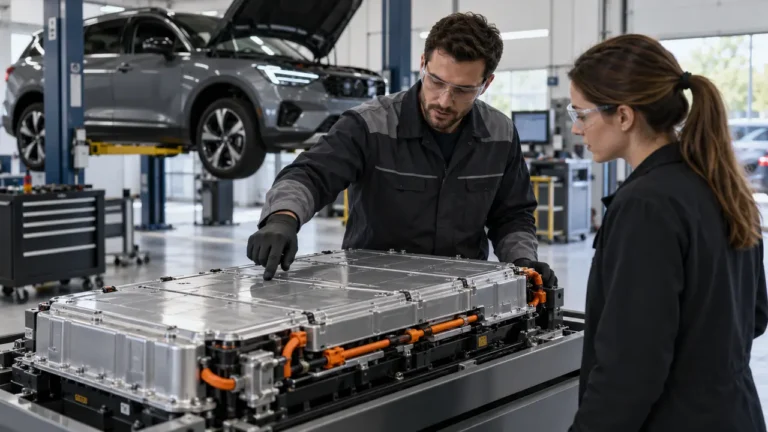
Using a battery for extra cycles adds energy throughput. The effect on long-term health depends on battery design, temperature, depth of discharge and control strategy. It is not accurate to promise zero impact, and it is not accurate to say every V2G session ruins a battery.
Check the carmaker’s warranty and any limits on approved bidirectional use. Ask whether an energy provider offers a battery-health guarantee or compensation. Avoid claims based on one model and one climate when considering a different vehicle.
For day-to-day driving, keep enough charge for your plans and use the manufacturer’s recommended battery settings. A well-designed V2G program should respect vehicle availability and the owner’s minimum reserve.
How to plan a safe installation
First, confirm the exact vehicle and charger compatibility from the manufacturers. Next, ask a qualified local electrician to assess the home, essential loads and service connection. Then speak with the utility or local authority about interconnection and permits.
Request an itemized quote and a clear diagram of what will be powered. Ask the installer to explain outage operation, electrical protection, software controls and warranty support. Finally, test the system under supervised conditions before relying on it.
A practical purchase checklist
- Verify V2H or V2G support for your exact vehicle and market.
- Confirm the charger, inverter and controls are approved as a system.
- Get a qualified site assessment and written installation quote.
- Check local permits, utility interconnection and protection rules.
- Define essential loads and a minimum driving battery reserve.
- Read vehicle and equipment warranty terms for export use.

Common mistakes to avoid
Do not confuse V2L with whole-home backup. Do not assume a two-way power flow is enabled because a charging cable fits. Avoid installing equipment before your utility and installer confirm the design.
Another mistake is sizing only for battery capacity while ignoring export power. A large battery cannot run an appliance whose demand exceeds the system’s output. Also avoid plans that leave too little charge for travel.
Finally, do not count on future software features or grid payments as if they exist today. Buy for capabilities that are currently supported and verified in your location.

Frequently asked questions
Can any EV power a house?
No. The vehicle must support an approved export mode and work with suitable external equipment. Local wiring and utility rules also matter.
Is V2L the same as V2G?
No. V2L powers external devices. V2G sends electricity to a grid under an approved system or program.
Can bidirectional charging work with solar panels?
It may, with compatible controls and electrical design. Ask the installer how the solar, car and grid systems operate together, including during outages.
Will V2G save money everywhere?
No. Savings depend on local tariffs, equipment cost, program rules and how often the car is available to export.
The bottom line
Bidirectional charging can turn a compatible EV into a useful energy resource, but the vehicle is only one part of the system. Confirm actual support, price the complete installation, protect your driving reserve and follow local electrical rules. A careful plan is more valuable than a promise that one charging cable can power everything.