Buying a Car Online in 2026: Safe Payment, Delivery and Return Checks
Buying a car online can save time and make it easier to compare models across a wide area. It also creates new risks: misleading photos, hidden delivery charges and fake payment requests. This practical guide covers the steps from checking a listing to accepting delivery. It is written for buyers worldwide, so it points out where local registration and consumer protection laws must be checked.
Verify the seller first
A polished website is not proof that a car exists or the business is legitimate. Check the seller’s registered name, physical address, customer service contacts and independent reputation. If it claims to be a dealer, verify the license or registration where your country provides a public registry. Beware a site that copies photographs from other listings. Ask for a live video showing the vehicle identification number and features you choose, then compare the details with official documents. A seller who refuses reasonable verification deserves caution.
Check the car’s identity
Match the VIN or equivalent vehicle number across the advertisement, official registration document, history report and physical car. Ask for service records, ownership history and any accident disclosure required locally. A history report can miss unreported damage, so it should not replace an inspection. For recalled vehicles, use the maker or an official recall database such as NHTSA in the relevant market. Confirm whether a recall remedy has been completed and can be serviced where you live.
Know the full delivered price
Online car listings may show a low headline price while adding processing, delivery, registration or finance costs later. Request an itemized out-the-door quotation in your currency before paying a deposit. Include taxes, transfer charges, optional products and any cost to return the car. If financing, compare the annual percentage rate, term and total repayment. A cheaper monthly payment can hide a longer loan or larger interest bill. Do not let a shopping cart or countdown timer replace a full written price.
Use a traceable payment method
A request to send the entire car price through cryptocurrency, gift cards or a personal wire account is a serious warning sign. Payment protections differ by country, so check with your bank before sending large sums. Verify bank details through an independent contact channel, not by replying to an unexpected message. If using escrow, confirm the service independently and understand when funds are released. Keep invoices, contracts and receipts. Never share one-time banking codes with a seller or supposed transport agent.
Verify a changed bank account
If a message announces new payment instructions, do not use its links or phone number. Call the dealer using a previously verified contact and ask them to confirm the change.
Arrange an independent inspection
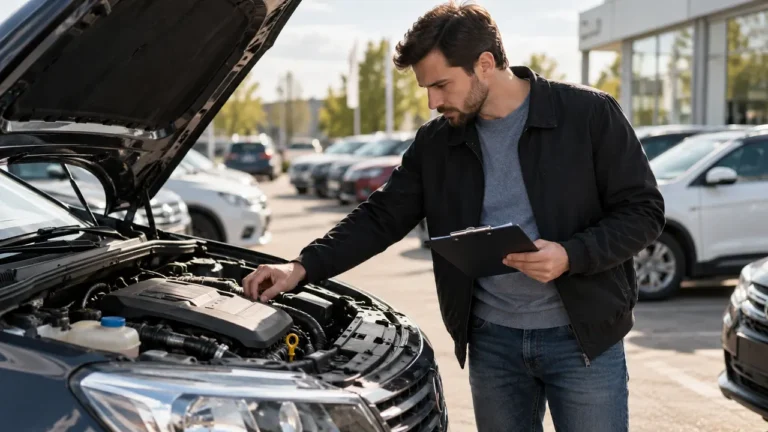
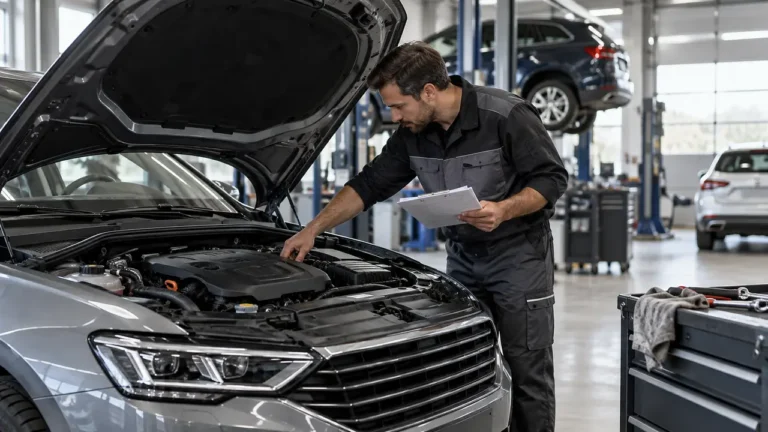
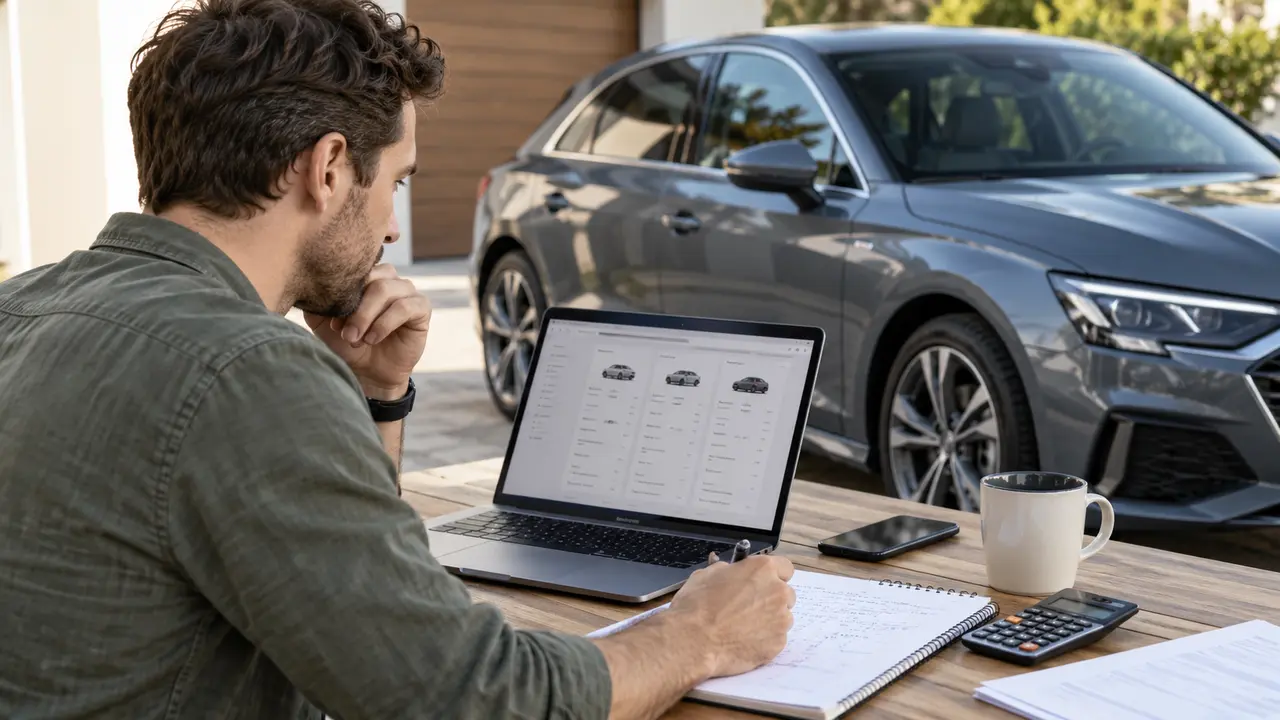
The best online purchase still needs a physical car check. Ask whether a qualified independent mechanic can inspect the vehicle before final payment or during a defined return window. The inspection should look at safety systems, body structure, fluids, tyres, diagnostic faults and evidence of flood or collision damage. For an EV, include a battery health review by trained staff. If the dealer forbids outside inspection and offers only its own checklist, consider whether you can accept that risk.
Read the return rules
A return policy may count days from delivery, order date or registration. It may limit mileage or require the car to remain in a specific condition. Some fees, transport costs or trade-in transactions might not be refundable. Read the full terms and request a copy before ordering. Local statutory consumer protections may provide separate rights, but those differ across borders. Ask what happens if the vehicle arrives late, damaged or not as described. A clear written remedy matters more than a vague promise of a stress-free return.
Check delivery condition
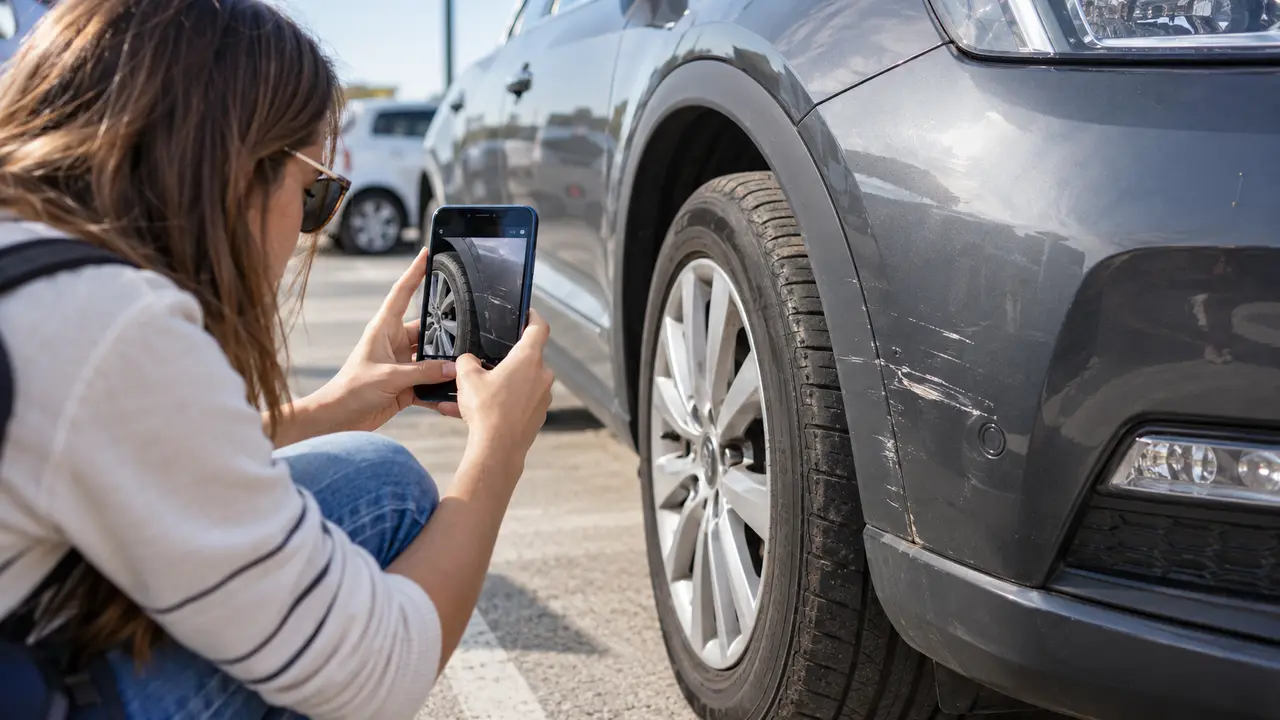
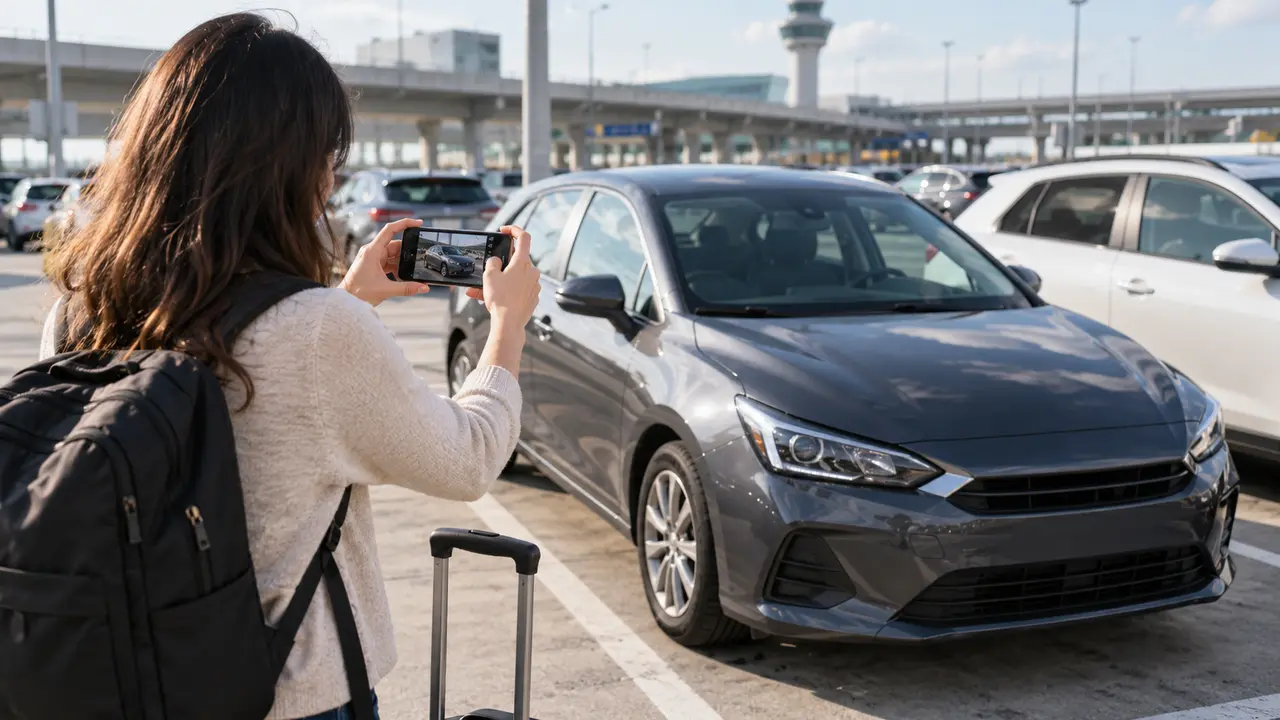
When the vehicle arrives, compare the VIN, mileage and options with your contract. Photograph every side, wheels, glass, cabin, instrument cluster and any visible defect before signing the delivery form. Check that keys, manuals, spare wheel or repair kit, charging cable and other included items are present. If the transporter asks you to sign quickly, take the time allowed by the delivery process. Record concerns on the handover report and notify the seller promptly using the official support channel.
Make a delivery photo set
Take wide views and close-ups of existing marks, the odometer and included accessories. Store the images with the handover form so that any later dispute has a clear timeline.
Protect personal data
Online buying often requires identity and financial documents. Upload them only through a secure verified portal and ask why each document is needed. Remove unnecessary personal information from copies where allowed. Be alert to emails claiming a new payment account, surprise delivery fee or urgent verification step. Criminals can imitate a real dealer’s branding and message style. Contact the business using its independently verified number if instructions suddenly change. Save a record of what personal information you provided.
Trade-ins need their own terms
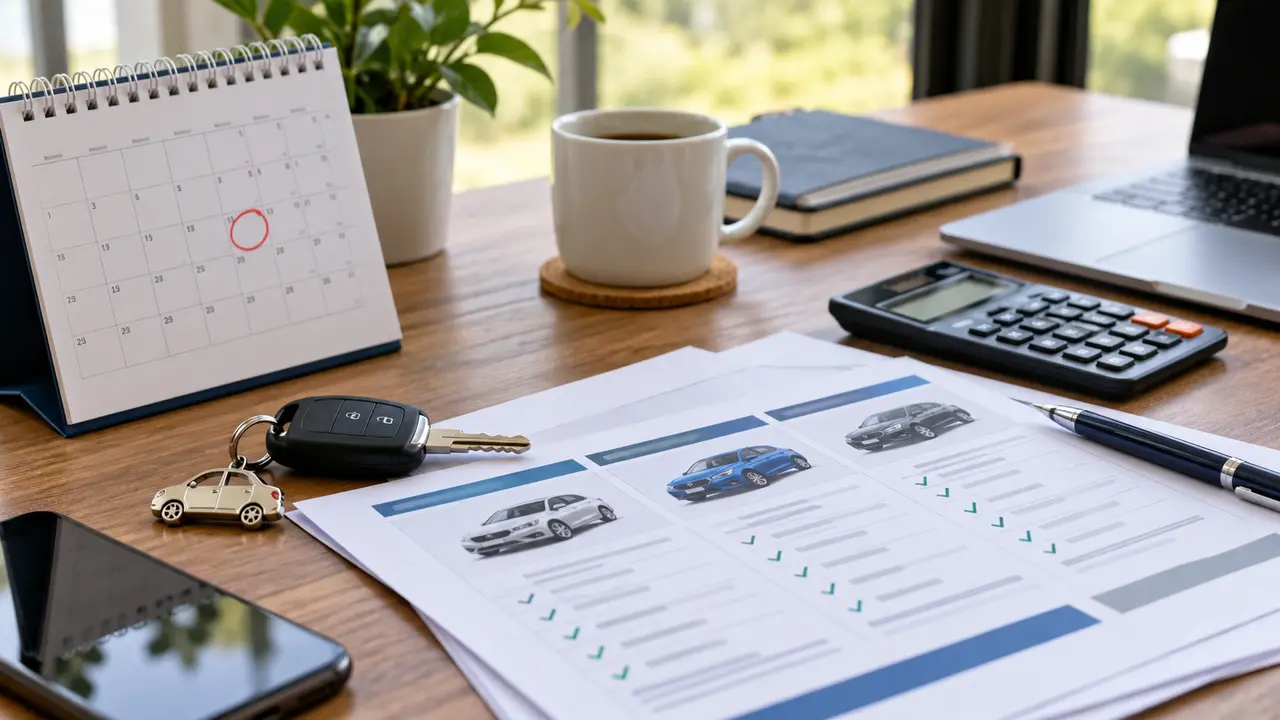
If you trade in your old car, confirm whether the price is fixed or depends on the receiving dealer’s inspection. Ask what happens to your new purchase if the trade-in offer is reduced. Check how existing finance is paid off and whether negative equity is added to the next loan. The Consumer Financial Protection Bureau provides guidance on car loans and financing costs. Keep the trade-in agreement separate enough that you can see each number clearly.
A realistic online purchase
Imagine someone buying a three-year-old hatchback from a dealer in another city. They request a live video of the VIN and controls, order an independent inspection and obtain the full delivery price. They pay through a verified business account, keep their documents and photograph the car on arrival. A damaged wheel and missing second key are recorded before signing. The dealer resolves the issue under the written agreement. Each step is ordinary, but together they reduce costly disputes.
Buying across borders
Cross-border purchases can add import duty, registration approval, emissions or safety compliance, shipping insurance and warranty restrictions. A car legal in one market may need modifications or may not be eligible for local registration. Before paying, consult the destination country’s official vehicle import authority and calculate the full landed cost. Check whether the maker will service the specific VIN locally. A low foreign listing price means little if taxes and repairs make the total higher than buying nearby.
Know when to leave the deal
Stop if the seller refuses proof of ownership, changes payment details at the last minute, hides fees or will not explain returns. Pressure to pay before an inspection is another warning. Compare several listings and establish a total budget, including insurance and early maintenance. Buying online can be convenient, but the basic checks are the same as buying in person. The seller, car, price, payment and handover must all be verifiable before you commit.
Frequently asked questions
Can I trust a vehicle history report?
Use it as one input. Reports can have gaps. A separate inspection and official ownership checks remain important.
Should I pay a deposit before seeing the car?
Only after verifying the seller, vehicle, refund terms and a protected payment route. Avoid irreversible transfers to unknown accounts.
What if the delivered car is damaged?
Record the damage at handover, keep photos and notify the seller promptly under the written contract and local law.
Takeaway: Verify the seller and vehicle, inspect independently, keep payment traceable and read returns before you order.