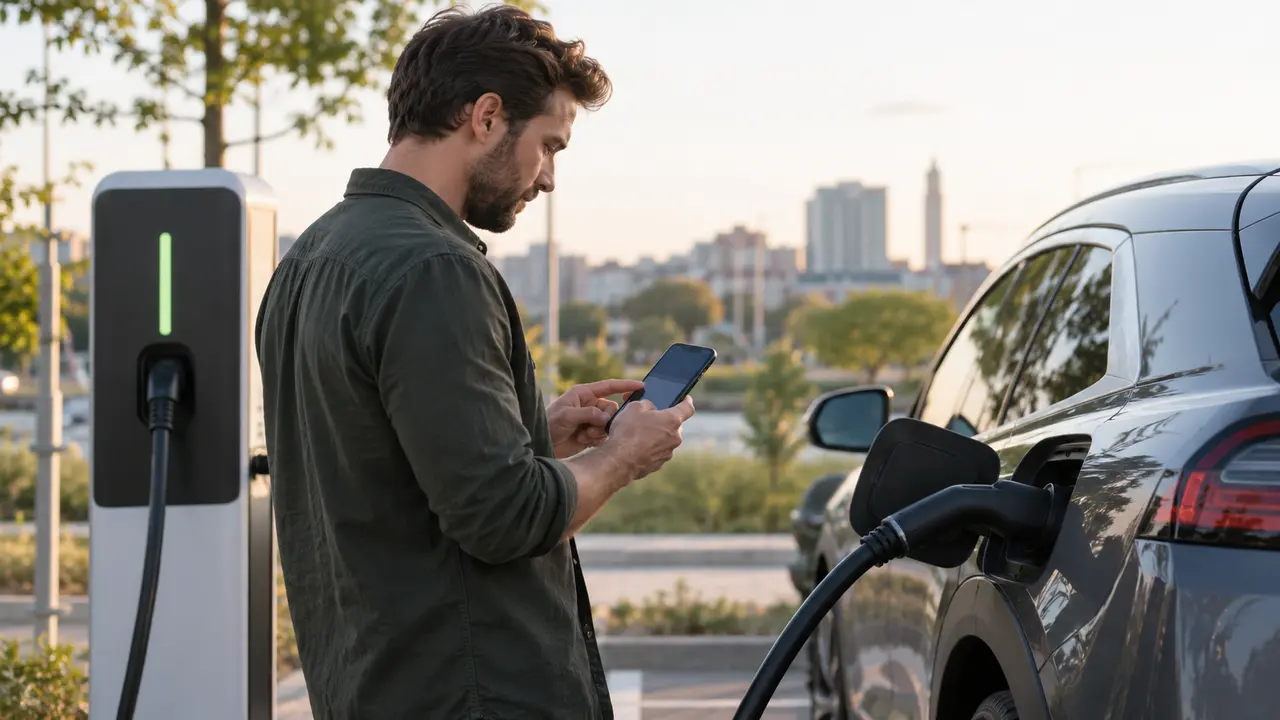
How Much Does EV Charging Cost in 2026? Home, Public and Fast-Charger Math
People often ask how much it costs to charge an electric car. The honest answer is that it depends on where, when and how you charge. Home tariffs, public charging fees, vehicle efficiency and charging losses all matter. This guide shows simple calculations that work with any currency and helps you compare real bills rather than marketing claims. The examples are illustrations, not current prices for any country.
Start with energy, not a flat price
Charging cost starts with kilowatt-hours, or kWh. A charger rated at 7 kW describes power, not the energy you buy. If it supplies 7 kW for two hours, that is about 14 kWh before losses and tapering. Multiply billed energy by the electricity rate to estimate the energy part of the bill. Public networks may add time, session or parking fees. Always check how the provider measures use. Different markets bill in different ways, so there is no single world price for a full charge.
Home charging example
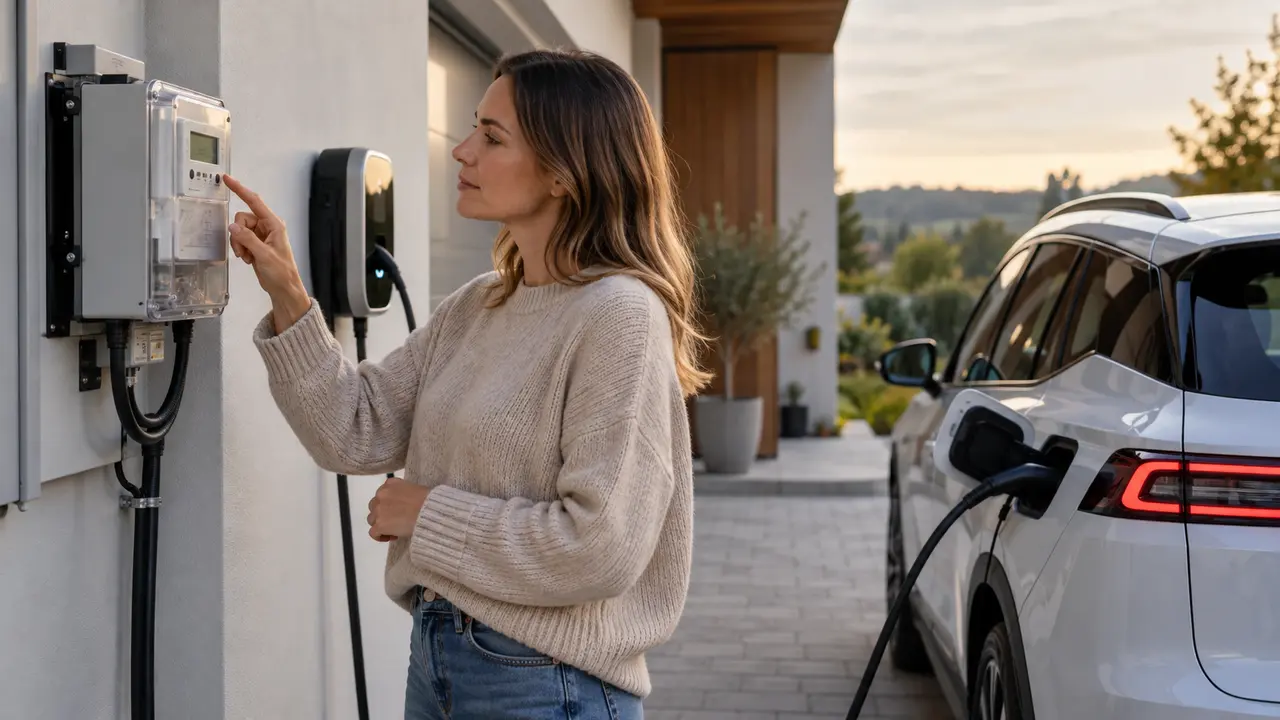
Imagine your EV needs 30 kWh added for your next few journeys. If the energy price is 0.20 units of local currency per kWh, the energy alone would cost 6 currency units. Real cost may be higher because some electricity is lost while charging, and an off-peak plan may change the rate. Check whether your meter applies tax or fixed charges. Use the amount shown on the charger or home meter when available. This simple method is more useful than multiplying the battery’s total size by a headline tariff.
Public AC charging
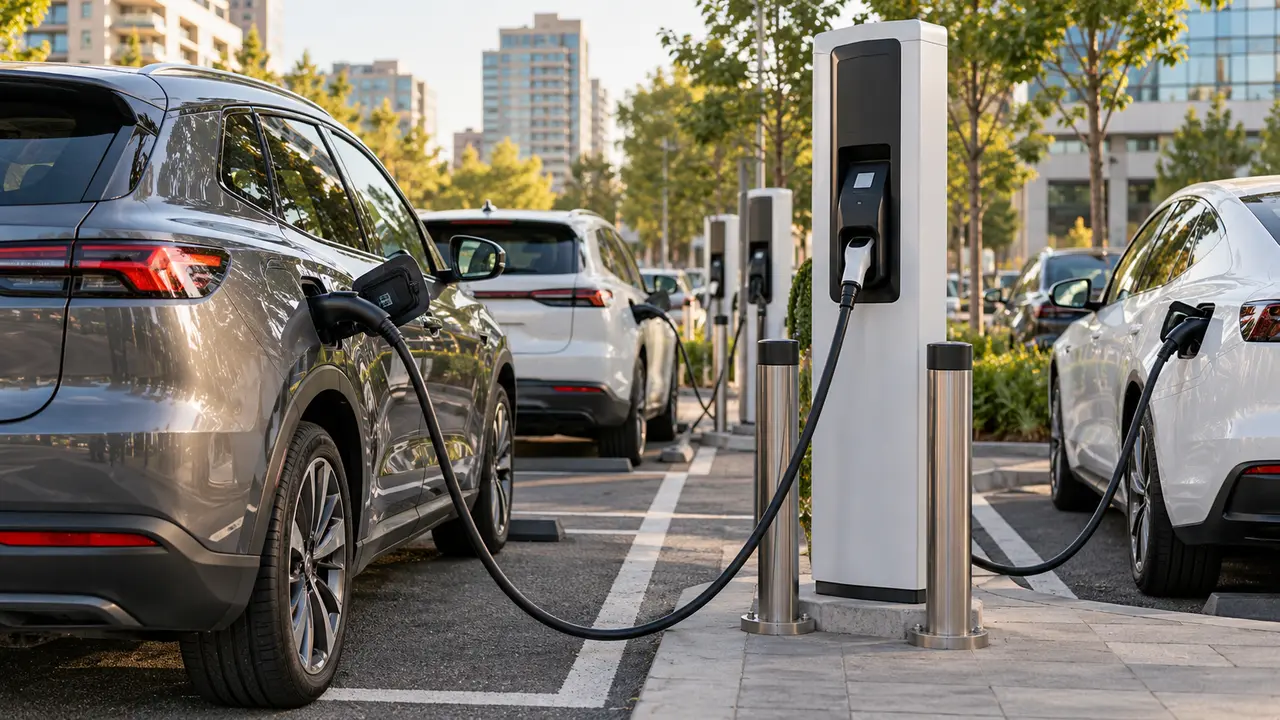
An AC charging point often makes sense during a long stop at work, a shop or a hotel. You may pay per kWh, per minute or for parking time, depending on the operator and local rules. A station with a modest energy price can still be costly if it adds idle fees after charging stops. Check the connector and your car’s onboard AC charging limit. A 22 kW post will not always deliver 22 kW to your car. The Alternative Fuels Data Center explains that charge time depends on the battery, charger and vehicle.
DC fast charging
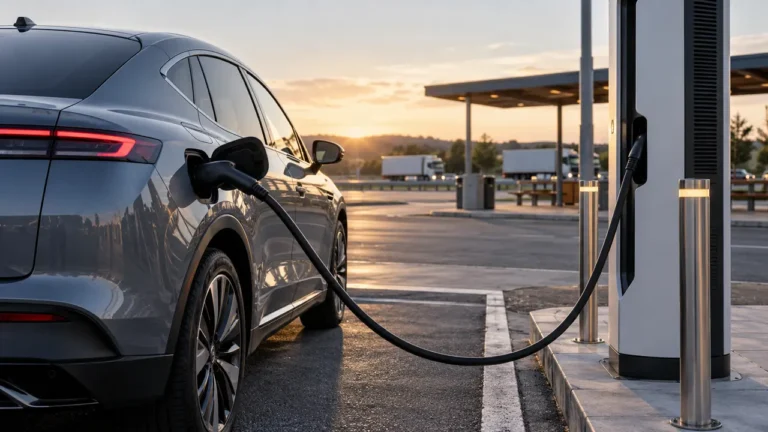
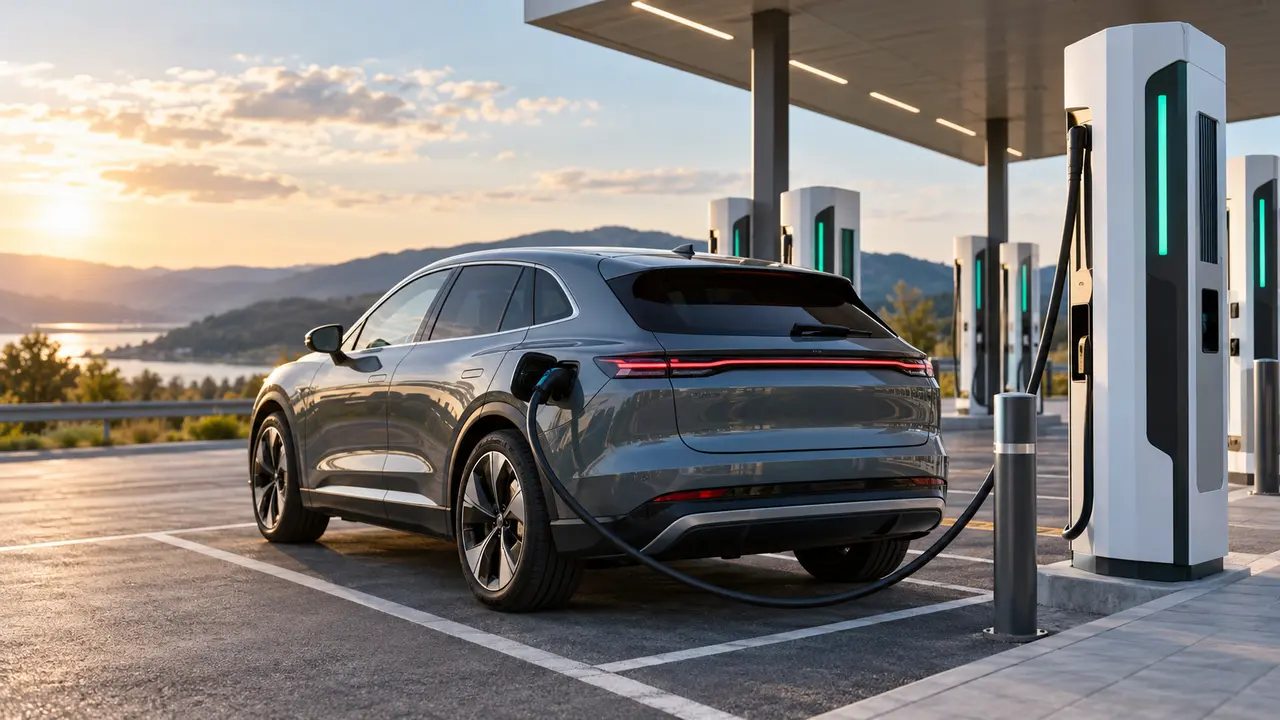
Fast charging is convenient for long trips, but the highest advertised power is rarely the power you receive for the entire session. The battery may take high power briefly, then taper as charge rises. Temperature and the vehicle’s own limits matter. The International Energy Agency documents wide differences in charging capability across models. Compare the final session cost, not only the charger label. A station that charges by the minute could be less attractive when your car is charging slowly.
Find cost per distance
To compare charging plans, use energy consumption over distance. Suppose your car uses 18 kWh per 100 km and you pay 0.25 currency units per kWh. The energy cost would be about 4.50 per 100 km before charging losses and extra fees. Your actual use will vary with weather, tyres, road grade, speed and cabin heating. Repeat the calculation using your own trip computer average after several weeks. That gives a better personal estimate than a manufacturer’s ideal test result.
Quick calculation
Cost per 100 km equals energy used per 100 km multiplied by the amount paid per kWh. Add any session fees you usually pay. Keep the units and currency the same through the calculation.
Do not forget charging losses
Energy drawn from the wall is often higher than the energy stored in the battery. The difference can come from conversion, cooling and battery temperature management. A long, slow charging session may also use energy to run vehicle systems. When estimating a household budget, use measured electricity from the home meter rather than simply reading the change in the vehicle’s battery percentage. If you lack measurements, leave a small margin instead of claiming an exact cost to the cent.
Memberships and roaming
Charging networks may offer subscriptions that lower the per-kWh price. That saving only matters if you use the network enough to cover the membership fee. Compare your likely sessions per month and check which stations are included. Roaming arrangements can make one app work on another operator’s chargers, but tariffs may differ. The price shown in a map app can also differ from the rate on the charger or card. Confirm the final price screen before you start when possible.
When a subscription pays
Subtract the subscriber rate from the standard rate, multiply by expected monthly kWh, then compare the saving with the monthly membership price. If the saving is smaller, the membership does not pay for itself on that use.
Idle fees and parking rules
Some stations start an idle fee after charging ends. Others limit how long a vehicle may stay or charge a separate parking amount. A low energy tariff can become expensive when you leave the car plugged in after reaching your target. Set a notification if the charging app supports it. On a trip, choose a stop where you can return before the session ends. Do not block a needed charger while using nearby shops. Local signs and app terms take priority over general advice.

Solar charging is not free
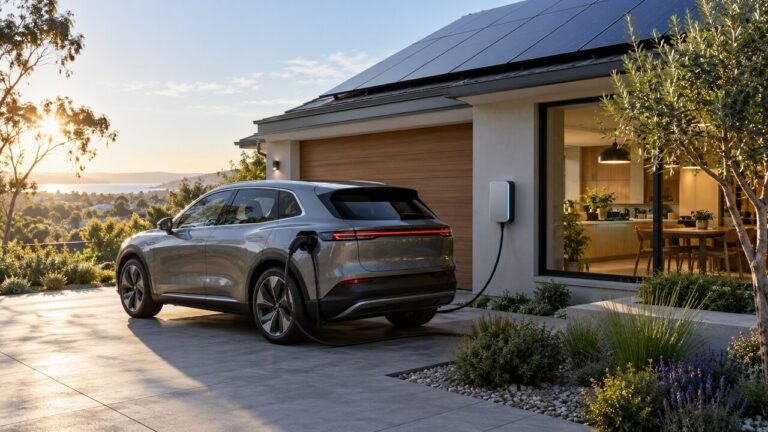
Home solar panels can lower purchased electricity during sunny hours, but the panels, inverter and electrical work have costs. The value of daytime solar charging depends on what power would otherwise earn through export, what your household uses and whether the car is home when the sun shines. A smart charger may help follow spare solar power, although vehicle and charger compatibility matter. Treat solar charging as an energy planning choice, not a promise of zero-cost motoring. Work out the payback using local tariffs and installation quotes.
Plan a trip budget
For a road trip, check likely consumption, charger locations and each operator’s pricing. Estimate energy needed between stops and multiply by the real rate at each planned station. Add extra for cold weather, highway speed and possible detours. Carry a payment method accepted by a second network. If one charger is out of service, a backup stop may cost more; include that possibility in the travel budget. The aim is a reliable journey, not saving a tiny amount by arriving with no reserve.
Compare with petrol fairly
A fair comparison uses cost per distance over the same type of route. For fuel, multiply the car’s litres per 100 km by the price per litre. For electricity, multiply kWh per 100 km by the effective charging rate and allow for losses. Do not compare a cheap overnight home rate with the most expensive fuel station and call that universal savings. Also keep maintenance, tax, insurance and vehicle purchase cost separate. A car can be cheaper to fuel yet more expensive to own overall.
Build your personal charging ledger
For one month, note charging location, energy added, fee, mileage and any membership charge. Divide the combined charging spend by distance travelled, then multiply by 100 for a simple cost-per-100-km figure. Exclude trips you cannot measure cleanly or mark them as estimates. This record also shows whether a subscription saves money or whether home charging works best. Update the figures when tariffs change. Electricity prices and network fees are local, so old internet examples can go stale quickly.
Frequently asked questions
Is home charging always cheaper?
Often it is, but not always. Your electricity tariff, fixed costs and time-of-use rate matter. Check the actual household bill and public charger tariffs near you.
Does a higher-kW charger cost more?
Not necessarily. Price depends on billing rules. A faster charger can save time, but it may carry a higher energy tariff or different fees.
What if the app shows the wrong rate?
Save a screenshot of the price displayed before the session and keep the receipt. Contact the operator with the charger ID, time and billed amount. Follow local consumer rules if the issue is not resolved.
Takeaway: Use actual billed kWh, real fees and your own consumption. A simple monthly record is the best guide to your EV charging cost.