Plug-In Hybrid vs Electric Car in 2026: Which Fits Your Daily Drive?
Plug-in hybrids and fully electric cars can both reduce fuel use, but they solve different problems. One carries an engine for longer journeys; the other depends on access to electricity. In 2026 there are more models and more charging options, yet daily fit still matters most. This guide compares the choices in clear language for drivers worldwide, without assuming that every country has the same tariffs or charging network.
Understand what each car does
A battery electric vehicle, or BEV, drives only on electricity and must be charged from a power source. A plug-in hybrid, or PHEV, has an electric motor, rechargeable battery and combustion engine. It can drive some distance on electricity, then use fuel. A conventional hybrid does not need a plug. The Alternative Fuels Data Center explains these core differences. The best choice is not the one with the most complicated technology; it is the one that fits your routes, charging access and budget without creating extra work.
Map your real daily journeys
Write down where you drive on ordinary weekdays, not just the longest trip of the year. Note the return distance, stops, hills and usual traffic. If nearly every day falls within a PHEV’s useful electric range and you can charge regularly, it may use little fuel for local trips. If most days involve high mileage and you have reliable charging, a full EV may be simpler. Do not use the official rated range as a guarantee for cold or fast motorway driving. Compare the precise models and trims.
Use a journey log
Write down seven days of normal driving and one or two unusual trips. Add the places where a car could charge while parked. This short log gives the comparison a factual base.
Charging access is the first filter
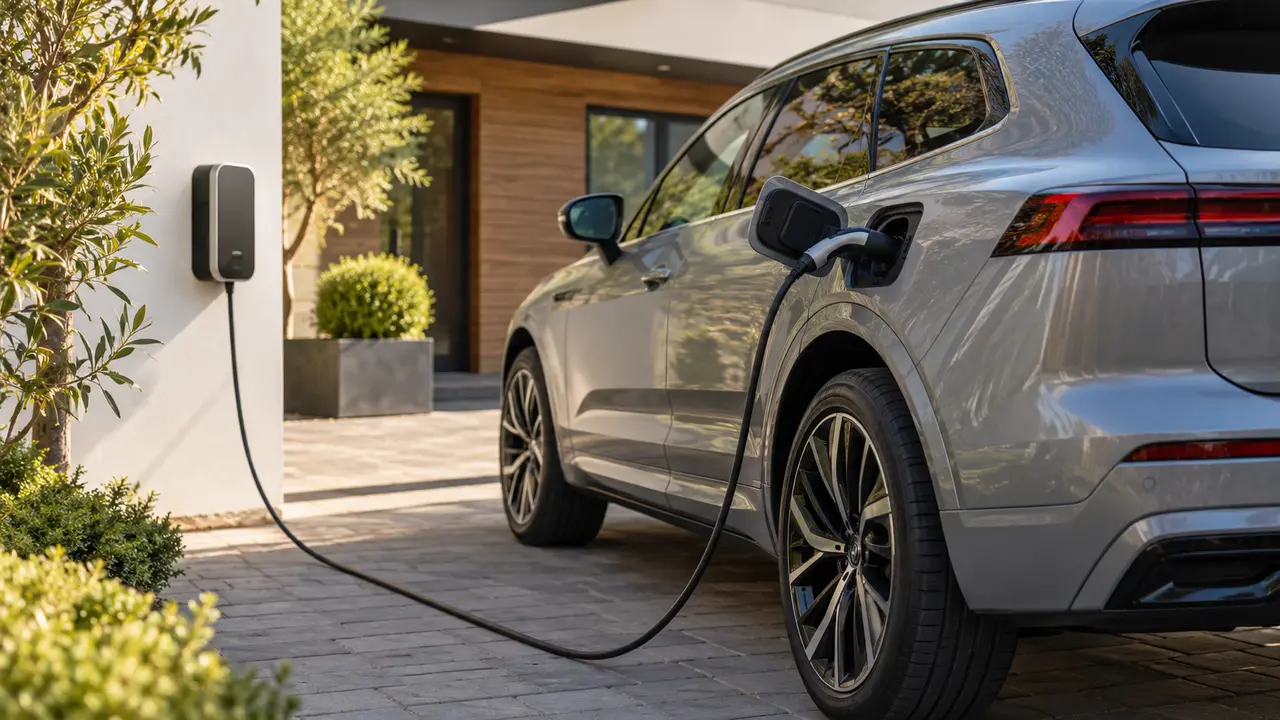
Someone with a dedicated home parking place can often charge overnight. An apartment resident may have only public chargers, and those can change the economics. A PHEV owner who rarely plugs in carries a heavy battery and engine while using more fuel than expected. An EV owner without reliable charging may spend extra time looking for public stations. Before choosing either, find the chargers you would truly use, verify price and compatibility, and test the route to them. Charging convenience is a daily ownership issue.
Long trips and refuelling
A PHEV can continue on fuel when its usable electric range runs low. That may help on routes with sparse charging. A modern BEV can also handle long journeys when suitable fast chargers exist, but the driver must plan stops. Check the exact car’s charging curve and port, not a generic claim about EVs. For a family that takes two long holidays a year, compare the small annual charging detour with the everyday benefits of each car. Rare trips should influence the decision without dominating every other factor.
Compare total energy costs
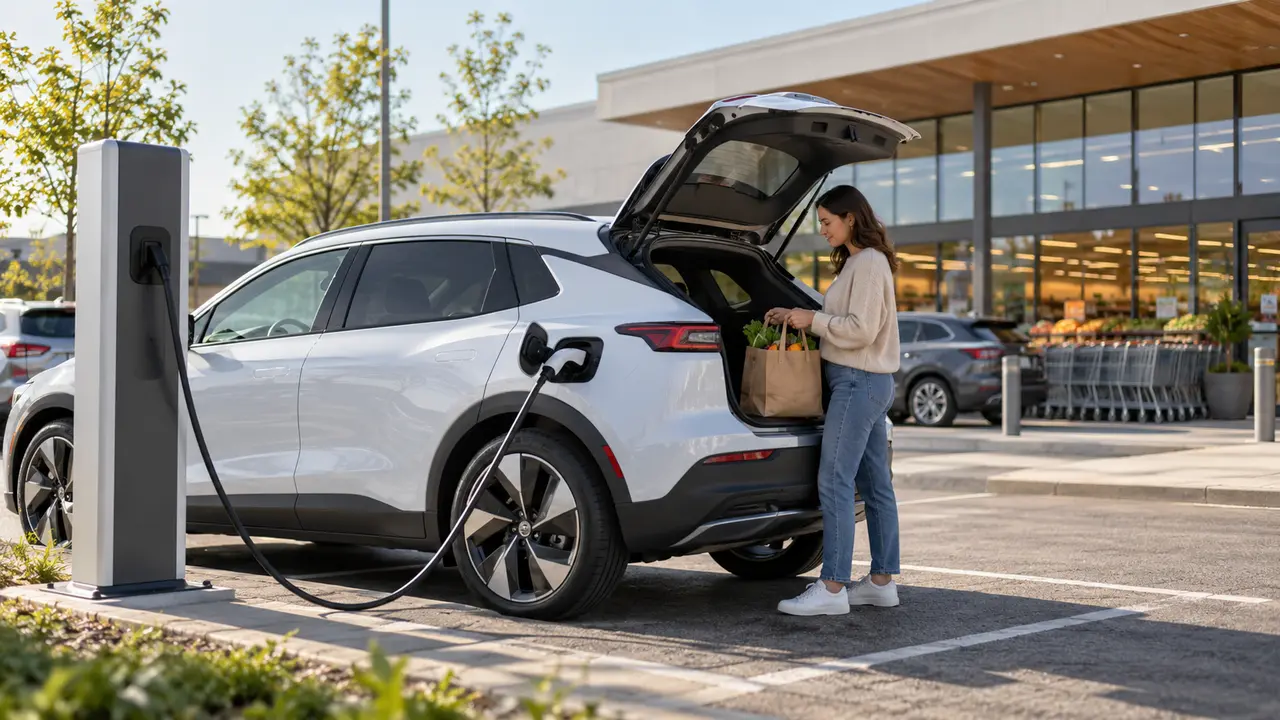
A PHEV uses two energy sources, so one simple fuel economy number may not reflect your driving. Estimate how much distance would run on electricity and how much on petrol or diesel. Then add charging cost, fuel cost and charging losses. For a BEV, use actual kWh per 100 km and likely home or public rates. Prices vary across the world. A good comparison uses your own local energy prices and routes over a full year rather than optimistic brochure numbers.
Do the maths both ways
Test the case where a PHEV is plugged in every night and the case where it is not. The large difference between those outcomes may tell you more than a single official consumption figure.
Maintenance and complexity
A full EV has no combustion engine oil changes, but it still needs tyres, brakes, suspension checks, coolant where fitted and software care. A PHEV has both an electric drive and a combustion engine. The engine may need scheduled service even if it runs infrequently, while the electrical system has its own checks. The U.S. Department of Energy notes that all-electric cars generally have fewer regular maintenance needs. Ask dealers for the actual service schedules and local prices for both models.

Space and driving feel
Battery placement can affect boot shape, spare-wheel space or towing capacity. A PHEV may have less luggage space than an otherwise similar combustion model. An EV may offer a flat floor and quiet low-speed travel, but not every car is roomy. Bring your normal bags and child seats to a test drive. Check seat comfort, access and visibility with the passengers who will use the car. The best daily car is one that fits people and cargo without relying on a specification sheet alone.
Environmental impact with nuance
An EV has no direct tailpipe emissions while driving. A PHEV can have low local exhaust use when driven on electricity but still burns fuel when the engine runs. The full environmental picture also includes how power is generated, vehicle manufacture and actual use. The International Energy Agency tracks global electric car growth and energy impacts, but a personal choice depends on local electricity and driving. Avoid broad claims that every PHEV is clean or every EV is automatically the best fit in all settings.

Incentives and local rules
Registration taxes, purchase grants, tolls, parking benefits and low-emission zone access may differ between a BEV and a PHEV. Rules can change, and some benefits depend on the model’s measured emissions or battery size. Verify current terms with the local authority before signing an order. A benefit that is due to expire soon should not be treated as permanent. Also check insurance, road tax and resale rules. A small incentive can matter, but it should not hide a vehicle that does not meet your daily needs.
A realistic two-driver example
Driver A travels 25 km on most days, can plug in at home and takes monthly rural trips. A well-matched PHEV might cover routine travel on electricity and use fuel on remote roads. Driver B travels 90 km daily, charges at home and has fast chargers on the holiday route. A full EV might offer lower running cost and simpler servicing. These are examples, not verdicts. Each driver should compare local tariffs, exact vehicle efficiency and purchase prices, then test the relevant car on a normal route.
Test drive both power systems
Do more than drive round the dealership. For a PHEV, ask how it behaves when the battery’s usable electric charge is low and how the engine starts. For a BEV, check one-pedal settings, regenerative braking, range display and charging navigation. Try the cabin controls, child seat fittings and parking in a space like your own. Ask for a demonstration of the charging port and cable. After driving, compare what you noticed with the service and warranty documents rather than relying on sales claims.
Decide with a one-year plan
List purchase price, finance, insurance, local taxes, home charger costs, expected public charging, fuel and servicing for each option. Include the cost of any parking changes. Next, compare travel time and convenience: where will you charge, how often, and who in the household will manage it? If a PHEV will almost never be plugged in, revisit the choice. If an EV would need constant uncertain public charging, account for that honestly. Pick the car that makes ordinary life easier, not the one that wins a single headline metric.
Frequently asked questions
Do I need to charge a plug-in hybrid?
Many can drive with the combustion engine when the battery’s usable charge is low, but regular charging is key to getting the electric-driving benefit you paid for. Check the model’s operating instructions.
Is an EV better for short drives?
It can be, especially with convenient charging, but price, parking and other needs matter. A PHEV may also cover short trips electrically when plugged in.
Can either type tow a trailer?
Some models can and others cannot. Check the exact vehicle’s approved towing rating, hitch availability, load limits and energy use before buying.
Bottom line: Start with charging access and a week of real journeys. Only then compare energy bills, warranties and purchase prices.