EV Winter Range in 2026: Cold Weather Charging, Heat Pumps and Safe Trip Planning
Cold weather changes how an electric car uses energy. The battery must work in low temperatures while the car keeps people and glass warm. That is why winter range and charging time can feel less predictable. This global guide explains what actually helps, where common advice falls short and how to make safe choices without focusing on one brand or country. It uses guidance from recognized energy and vehicle safety sources, while noting that each model has its own limits.
Why range falls in cold weather
An electric car can travel fewer kilometres on a cold day than on a mild one. This does not always mean its battery is damaged. A cold battery works less efficiently, and the car uses more energy to warm the cabin, windows and battery pack. The U.S. Department of Energy advises warming the cabin while the car is still plugged in. This helps use power from the charger rather than the traction battery. The size of the range loss depends on temperature, speed, route and the car’s heating system. Treat any range figure as an estimate, not a promise.
Read the display with care
A range estimate changes when the car learns from recent trips. A short, slow drive in town may show a high figure. A fast motorway trip in snow may produce a much lower one. Instead of judging the car by a single reading, look at recent energy use and how quickly the percentage drops on routes you know. Compare similar journeys when possible. If the car reports unusual battery warnings or a sharp and unexplained loss of capacity, seek a qualified service check. A winter estimate alone is not a battery health test.

Preheat before leaving
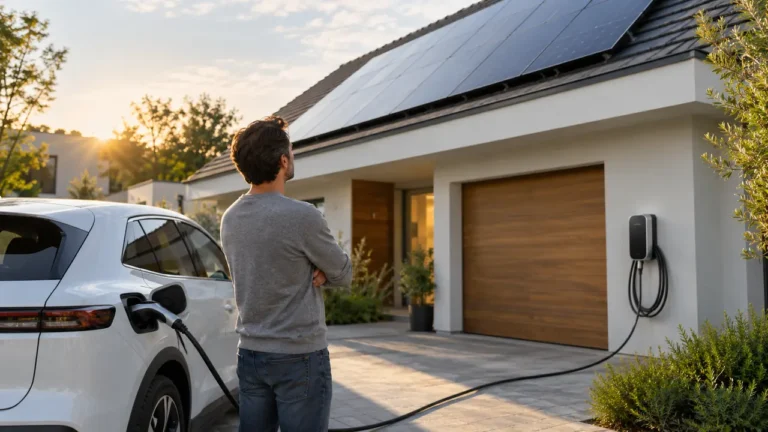
Preconditioning means warming the cabin, and sometimes the battery, before a trip. Use the car’s app or departure timer if it has one. Start this while connected to a suitable charger. Then clear the windows, check the charging cable and leave with the cabin already warm. In a shared car park, make sure the cable does not cross a walking path. Never leave an extension cord or connector lying in snow or standing water. Check the owner’s manual for the approved charging equipment and outdoor temperature limits.
Set a departure timer
If the vehicle supports scheduled departure, choose the time you expect to leave. Confirm the car is connected and that the charging schedule will not stop power before preheating begins. Recheck settings after a software update.
Heat pump or resistance heater
A heat pump can move warmth into a cabin using less energy than a simple resistance heater in many conditions. That can help winter efficiency, but it does not make the effect of cold vanish. Performance still varies by vehicle design and outside temperature. If you are shopping for an EV, ask which heating system the exact trim has, because equipment may differ by market. Do not base a purchase on a vague claim about a model family. Compare real winter tests on the same test route and check whether battery conditioning is standard.

Choose your charging stop
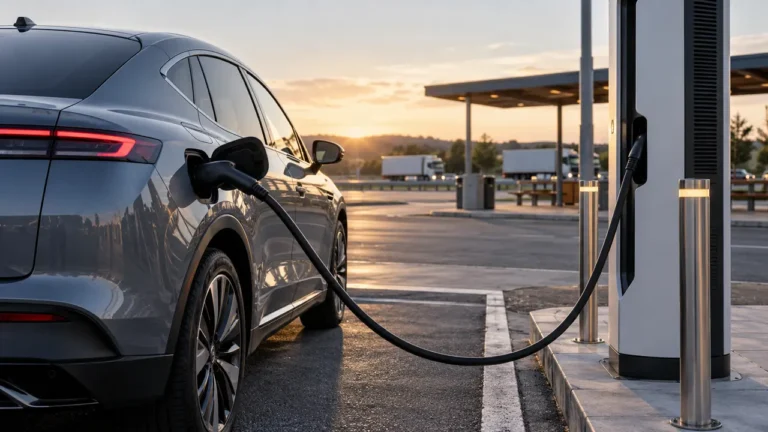
A battery that is very cold may accept fast charging slowly. Some EVs warm the pack when you navigate to a compatible fast charger, but not every car does this. Enter the charging stop in the built-in navigation early if the manufacturer recommends it. Arrive with a safe buffer, not a nearly empty pack. The International Energy Agency notes that charging capability differs widely among models. A charger advertised at a high power rating cannot force a car to accept that power.
Plan a winter road trip
Start by checking the weather along the whole route, not just at home. Add time for lower speed limits, road conditions and charging queues. Choose a main charging stop and one nearby backup that supports your connector and payment method. For long rural sections, leave extra charge for a detour or closed road. A practical approach is to charge earlier than you would in summer and revisit the plan after each stop. Avoid assuming that a charger listed on a map is live; check recent station status where that data is available.
Keep a backup stop
Look for a station on the same route or an accessible nearby road. Check connector, opening hours and payment before leaving. A backup is useful only if you can reach it with your remaining charge.

Speed, tyres and roof loads
At higher speeds, air resistance rises and the car needs more energy. A roof box can make this worse. Underinflated tyres also waste power and may reduce grip. Check pressures when tyres are cold and use the vehicle’s specified values, not the maximum printed on the tyre sidewall. Replace tyres that no longer meet local tread rules or safe winter grip needs. If you carry skis, bicycles or luggage on a roof rack, take the empty rack off when it is no longer needed. The same habits often help fuel cars too.
Heating without discomfort
You do not need to freeze to save a little range. Use the cabin heater enough to keep windows clear and passengers comfortable. Seat and steering-wheel heaters may help reduce demand on cabin heating, but only if your vehicle offers them. Keep defrost working when glass starts to mist. Never sacrifice visibility to preserve a few percentage points. If you park outside for hours, pack appropriate clothing and an emergency kit suited to the weather. A winter journey should prioritize safe arrival, not a record efficiency number.

What a practical journey looks like
Imagine a driver who usually covers a 160-kilometre return trip with no stop in mild weather. On a freezing day, they check the forecast, set a departure timer and review recent energy use. They choose a short charging stop halfway, with another station nearby as backup. They keep the cabin warm enough to see and drive well, then check the remaining battery at the midpoint. The plan may turn out to be conservative. That is fine: a small time cushion costs less than an emergency detour in poor weather.
Charging at home in winter
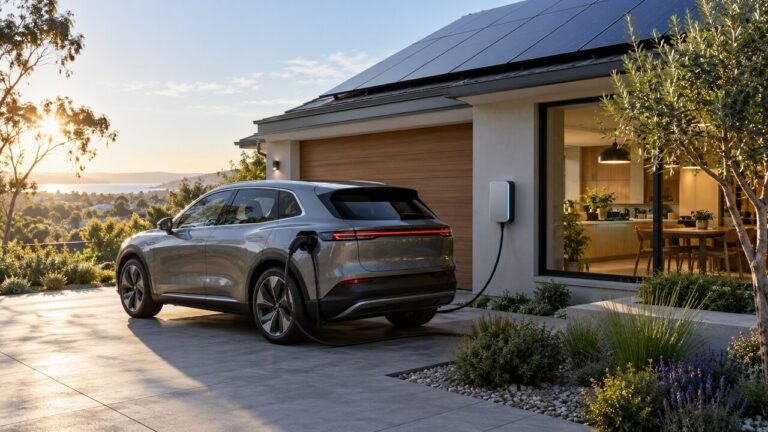
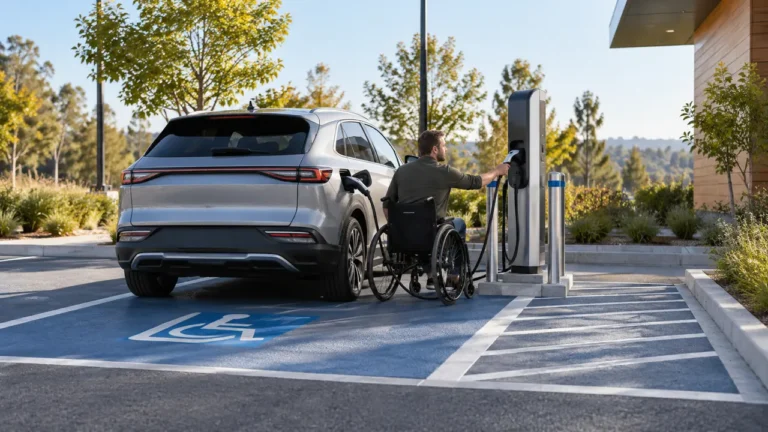
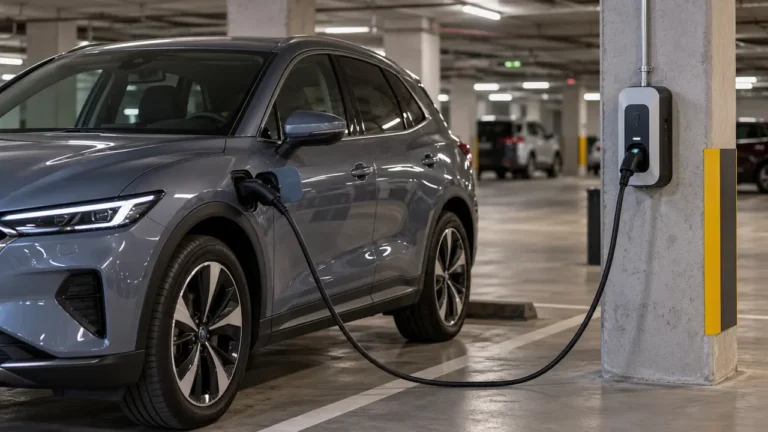
A professionally installed home charger can make cold mornings easier, but it still needs a safe electrical setup. Follow the car maker’s cable instructions and have any fixed wiring installed to local standards. Inspect the connector for cracks or visible damage before use. Brush snow away from the port without forcing frozen parts. If the plug is stuck, follow the vehicle’s release procedure instead of pulling hard. For apartments and shared parking, agree on access, billing and cable management before regular charging begins.
When to seek service
Winter efficiency changes are expected; warning lights, charging faults or damaged cables are not. Book a service check if the car repeatedly refuses normal charging, shows a fault message, leaks coolant or behaves in a way the manual treats as unsafe. Never open a high-voltage battery pack or touch orange high-voltage wiring. The Alternative Fuels Data Center explains that EV high-voltage systems need appropriate safety precautions. Record the temperature, charger type and exact warning shown to help a trained technician diagnose the problem.
A simple cold-weather checklist
Before departure, confirm the route, forecast and charger availability. Preheat while plugged in if the car allows it. Check cold tyre pressure, washer fluid and clear lights and cameras. In the vehicle, use a realistic range buffer and watch how the battery estimate changes. At a fast charger, expect charging power to vary with temperature and state of charge. If plans change, select another stop while you still have enough charge to reach it safely. These steps take little time and remove much of the guesswork.
Common questions
Should I charge to 100% in winter?
Follow the charge limit and battery care advice for your exact vehicle. Some trips justify a higher charge before departure; daily habits may differ. Avoid keeping a battery at extreme charge for long periods if the manufacturer advises against it.
Will fast charging always be slow in the cold?
No. Results depend on battery temperature, charge level, the vehicle and the charger. Battery preconditioning can help on models equipped for it, but a cold start may still take longer than a warm one.
Does cold weather permanently damage the battery?
A lower winter range display does not by itself show permanent damage. If you see persistent capacity loss in mild weather or system warnings, ask for a proper battery health check.
Bottom line: Give yourself more range and time than you need on a mild day. A sensible buffer, good tyres, clear windows and a reliable charging plan matter more than chasing one ideal efficiency figure.