Sell Your Car Privately or Trade It In? Costs, Time and Safer Choices in 2026
Should you sell your old car yourself or trade it in at a dealer? One route may pay more; the other can be quicker and simpler. The answer becomes clearer when you compare money after fees, finance and time. This guide explains both choices for drivers worldwide and shows how to keep a sale safe, honest and well documented.
Understand the two routes
A private sale means finding a buyer and handling the transaction yourself. A trade-in means a dealer takes your current car as part of another purchase or buys it directly. Private sales may bring a higher gross price, but they require advertising, viewings, payment checks and transfer paperwork. A dealer offer may be lower, yet can save time and effort. The right choice depends on your car, local demand, safety comfort and the value of your time. Do not compare only the price printed on two offers.
Get a fair market range
Look at recent asking prices for cars with the same model, engine, age, mileage and condition. Remember that asking prices may be higher than final sale prices. Obtain multiple dealer trade-in quotes and, if possible, an independent valuation. Note any major service due and cosmetic damage honestly. A clean service history and useful photographs help buyers trust the car. Avoid choosing the highest online listing as your expected sale price without evidence that similar cars actually sell for that amount.
Calculate the net private-sale result
The private sale price is not the same as cash you keep. Subtract advertising costs, cleaning, inspections, minor repairs, document fees and any financing settlement. Consider travel time and time off work for meetings. You may also face a longer waiting period before a buyer is ready. A simple calculation can show whether an extra selling price is worth the effort. Do not spend heavily repairing cosmetic marks if the likely price increase is smaller than the repair bill. Get quotes before deciding.
Calculate the true trade-in deal
A dealer may give a generous allowance for your old car but charge more for the new one or reduce a discount. Ask for the new car price, trade-in value and fees as separate written numbers. Compare the overall amount you will pay after trading, not one attractive figure. If the car has outstanding finance, confirm how the settlement is handled. The Consumer Financial Protection Bureau provides guidance on vehicle financing and negative equity. Never assume that debt disappears because a dealer accepts the keys.
Separate the deal
Ask for the cash price of the replacement car without a trade-in and the trade-in offer alone. This exposes the real difference.

Prepare documents before listing
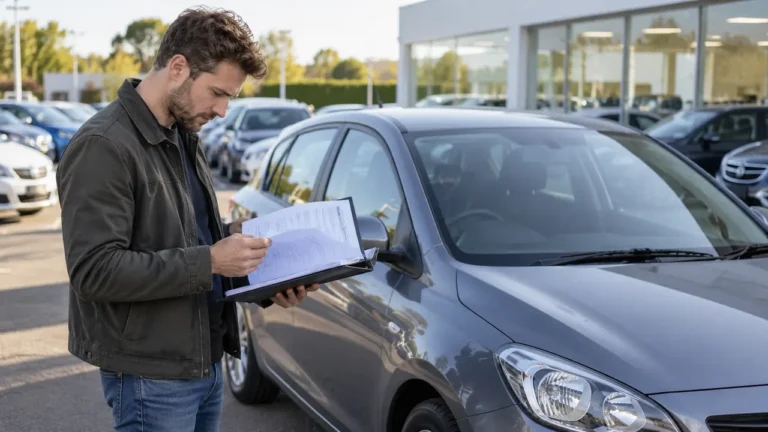
Gather registration papers, service records, spare keys, insurance and any required roadworthiness certificates. Check the official ownership transfer process in your jurisdiction. Resolve outstanding fines or finance obligations as required. If you replaced major parts, keep the receipts. Do not disclose more personal information than a genuine buyer needs. If the car carries connected accounts or digital keys, plan how to remove your profiles after payment and handover. Clean documentation often makes the sale faster and reduces disputes.
Create an honest private listing
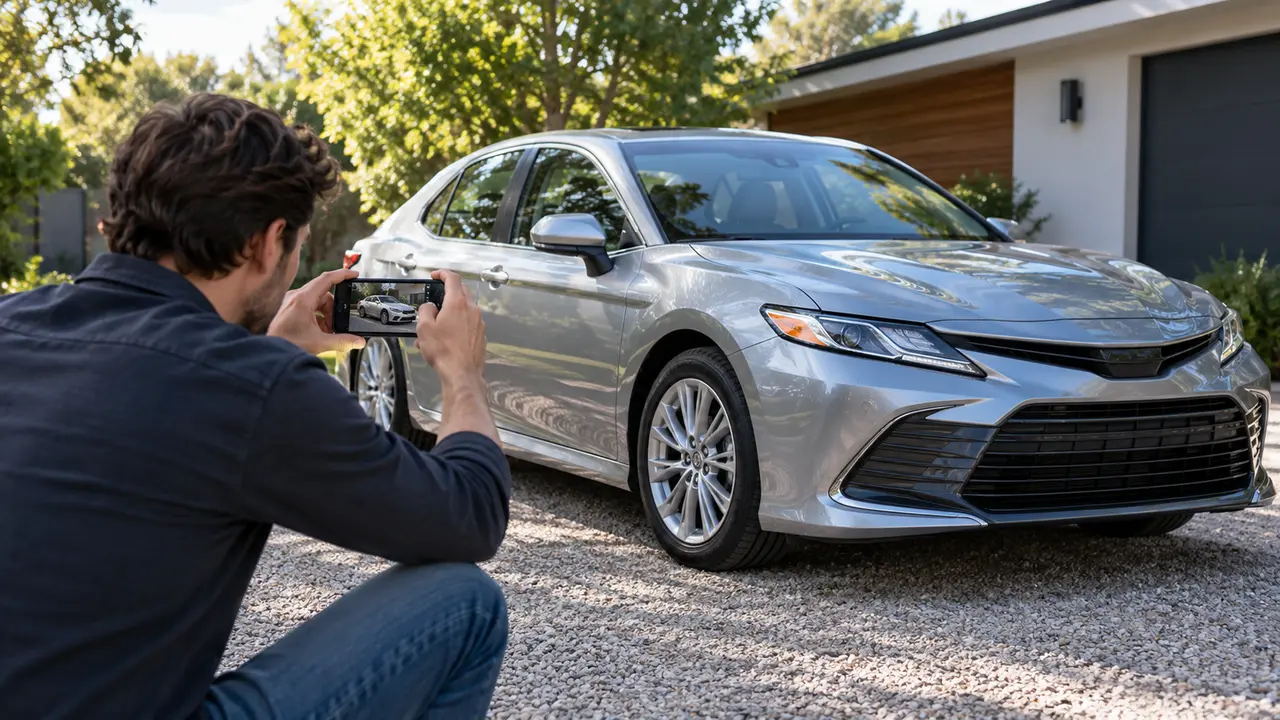
Use clear daylight photos of all sides, interior, wheels and known marks. Describe mileage, features, service history and faults accurately. Avoid hiding warning lights or editing photos to conceal damage. A buyer who discovers a false claim may walk away or raise a dispute later. Choose a reasonable asking price with room for negotiation if that is common locally. State when and where viewings can happen, but avoid revealing your home schedule or personal details unnecessarily. A credible listing attracts more serious enquiries.

Manage test drives safely
Meet in a safe, lawful place and verify the prospective driver’s licence and insurance before allowing a test drive. Local rules about liability and seller accompaniment vary, so check them. Do not hand over keys to someone who refuses identification or wants to drive alone without protection. Keep valuables out of sight. A genuine buyer should understand reasonable safety checks. If anything feels wrong, end the viewing. Selling a car is not worth personal risk or damage that your insurance may not cover.
Use a secure payment process
Confirm cleared payment through your own bank or trusted service, not from a screenshot sent by a buyer. Beware fake transfer confirmations, overpayment scams and requests to refund a third party. For large payments, agree on a process that both sides can verify, such as a bank branch appointment where practical. Do not release the car, keys or signed ownership documents before receiving cleared funds and following local transfer rules. Keep a dated sale receipt with vehicle ID, price and buyer details legally required.
Trust your bank, not a screenshot
Check the account directly before releasing the vehicle. A payment image or message is not proof that funds have cleared.

Handle finance and negative equity
If you still owe more than the car is worth, the difference is negative equity. A trade-in may roll that amount into a new loan, raising total borrowing. A private sale may require you to settle the loan before title can transfer. Contact the finance provider for a written payoff amount and process. Compare the cash you will have after settling the debt under each option. A lower new-car monthly payment is not proof that the old loan has been handled cheaply.
Think about speed and convenience
A dealer may offer immediate handover, less negotiation and one set of paperwork. That convenience has value, especially when you need the replacement car quickly. Private selling may take weeks, involve repeated messages and create storage or parking issues. If you have no secure place for viewings or cannot manage payment checks confidently, a lower dealer offer may be sensible. If your car is in high demand and you have time, private selling may justify the extra work. Evaluate your situation, not a universal rule.
A realistic comparison
A driver receives a dealer trade-in offer of 8,000 currency units. Similar private listings suggest a possible sale at 9,000, but advertising, a service and time cost an estimated 350. The private route might net about 650 more if the car sells at that price. The driver also checks how trading changes the price of the replacement car. These are hypothetical numbers; the method matters more than the amounts. A written net-cost comparison can prevent a persuasive sales pitch from hiding the real difference.
Complete the handover properly
Use the official transfer process promptly so the records show the new owner. Give the buyer the agreed keys and documents, but keep your own copies of the receipt and transfer confirmation. Cancel or update insurance at the appropriate time and ask the insurer about refunds. Remove personal contacts, navigation destinations, app accounts and digital keys from the car under the maker’s process. Do not assume that deleting a phone app removes access. A well-documented handover protects both buyer and seller.
Frequently asked questions
Will a private sale always pay more?
Not always after costs and time. Compare a realistic sale price with written dealer offers and the replacement-car deal.
Can I sell a financed car?
Often there is a process, but rules vary. Ask the finance company about payoff and title transfer before accepting money.
When should I hand over the keys?
Only after you verify cleared funds and complete the required sale and transfer steps.
Bottom line: Compare net cash and convenience, then use safe payment and official ownership transfer.