New Car Delivery Inspection in 2026: A Checklist Before You Sign
Taking delivery of a new car is exciting, but it is also the last easy moment to check that the vehicle matches the order and is ready to drive. This guide gives buyers worldwide a practical inspection routine for documents, bodywork, controls and charging. It helps you raise problems before signing rather than discovering them on the first week of ownership.
Confirm the car you ordered
Before accepting a new car, compare its vehicle identification number, variant, trim, color and options with the final order. A similar model on the showroom floor may not have the equipment you paid for. Confirm the production or model year, especially if a new version is about to arrive. Check the VIN on the vehicle and documents using the maker’s guidance. If the numbers do not match, ask for an explanation before signing. A small paperwork error can become a registration or insurance problem later.
Review every document
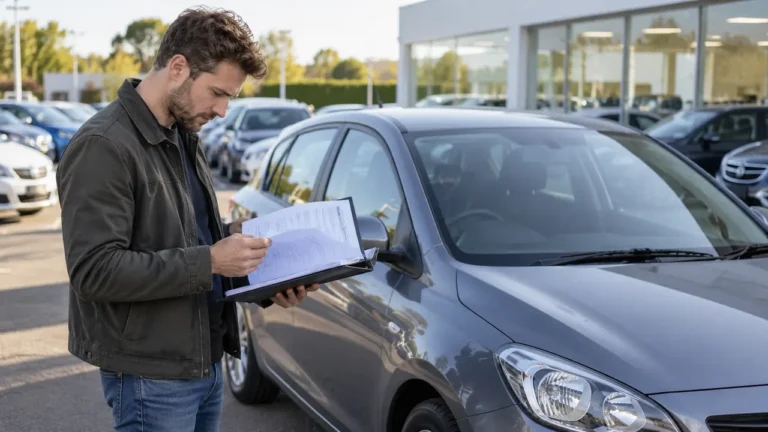
Ask for the invoice, registration papers, warranty booklet, finance contract and any separate service or accessory agreement. Check the names, address and vehicle details. Confirm the date when the manufacturer’s warranty starts. If you financed the car, read the total repayment and optional products again, not only the monthly amount. Verify insurance begins before you drive away. Local legal requirements differ, so use the vehicle registration authority’s checklist for your market. Keep digital and paper copies of important records.

Inspect the body in daylight
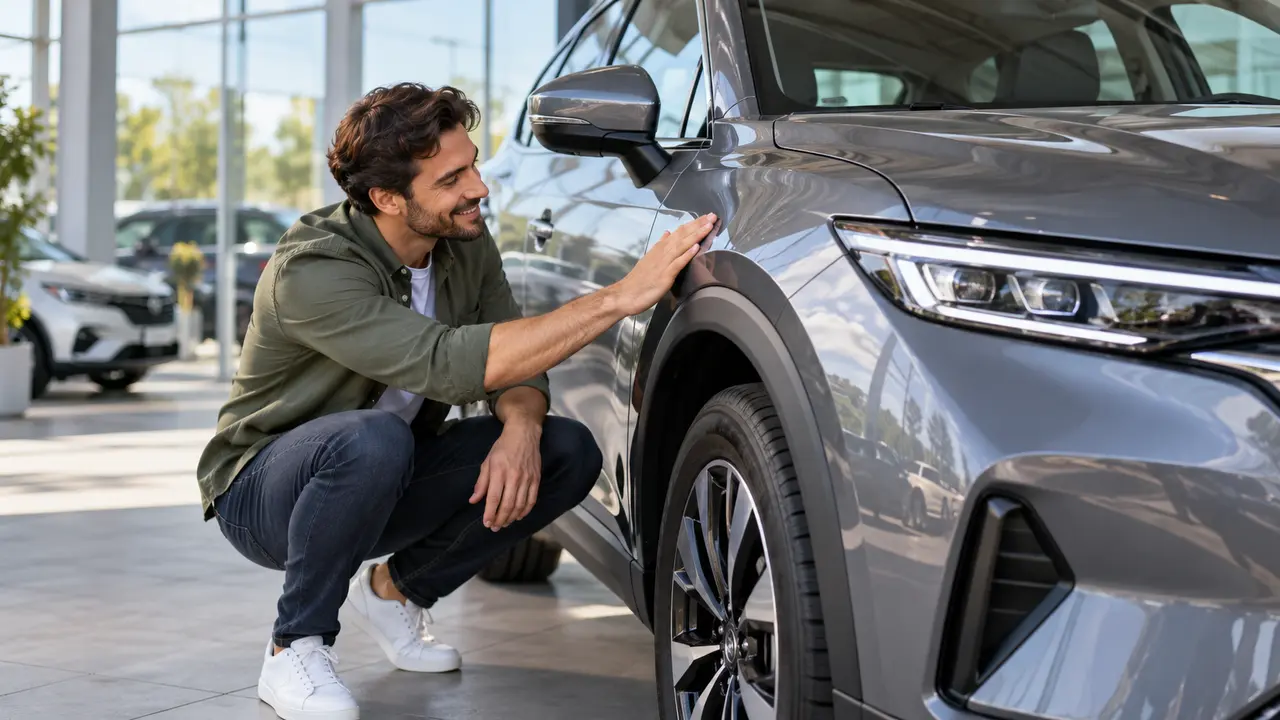
Walk around the car under natural light where possible. Look at paint, panel gaps, trim alignment, glass and wheel finish. Transport scratches or parking dents can happen even on a new car. Check the roof, lower bumpers and door edges, not only areas at eye level. Note defects on the delivery record with photographs before signing acceptance. A dealer may offer a repair, replacement or other remedy under contract and local law. Get the proposed solution and completion date in writing.
Photograph the car before acceptance
Take wide shots and close-ups of paint, glass, wheels and the odometer. Use the pictures as a dated record of delivery condition.
Check tyres and wheels
Verify the fitted tyres match the model’s approved size, load rating and speed specification. Check for sidewall damage, unusual cuts and wheel rim marks. Ask the dealer to confirm cold tyre pressures have been set to the vehicle’s recommended level. A car stored for weeks may need pressure adjustment before delivery. If it has a spare wheel, check its presence and tools. Otherwise confirm the correct repair kit is included. Do not assume the showroom preparation team has checked every detail.

Test lights and basic controls
With the vehicle safely parked, test headlamps, brake lights with an assistant, indicators, wipers, washers, horn, windows, locks, mirrors and climate controls. Check seat movement and seat-belt operation. Look for dashboard warning lights after the normal startup test; the manual explains which should go out. If a safety alert remains, ask the dealer for a diagnosis before driving. Some systems need setup, but a persistent warning should not be dismissed as normal for a brand-new vehicle.
Verify keys and accessories
Count the supplied keys, charging cables where applicable, manuals, floor mats and ordered accessories. A missing spare key can be expensive to replace. Test remote locking and any digital key setup. Confirm fitted extras match what is on the invoice and do not interfere with safety sensors. For a roof rack or tow bar, request the fitting documentation and capacity details. Ask the dealer to demonstrate unfamiliar features rather than guessing from a quick handover talk. A checklist helps prevent later disputes about what was included.

Check the infotainment and privacy
Set up the driver’s profile using your own account, then check navigation, phone pairing and audio. Remove any temporary dealership accounts where appropriate. Read the data-sharing choices and decide which connected services you want. Some cars send location or usage information through apps. Ask about trial subscriptions and what they cost after the trial ends. Do not hand over permanent control of a digital key to a salesperson’s personal phone. The car should leave with accounts and access clearly assigned to its owner.
For an EV, test charging
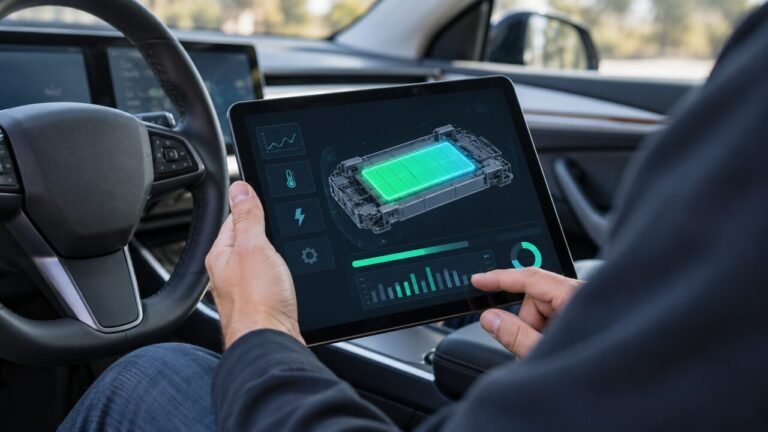
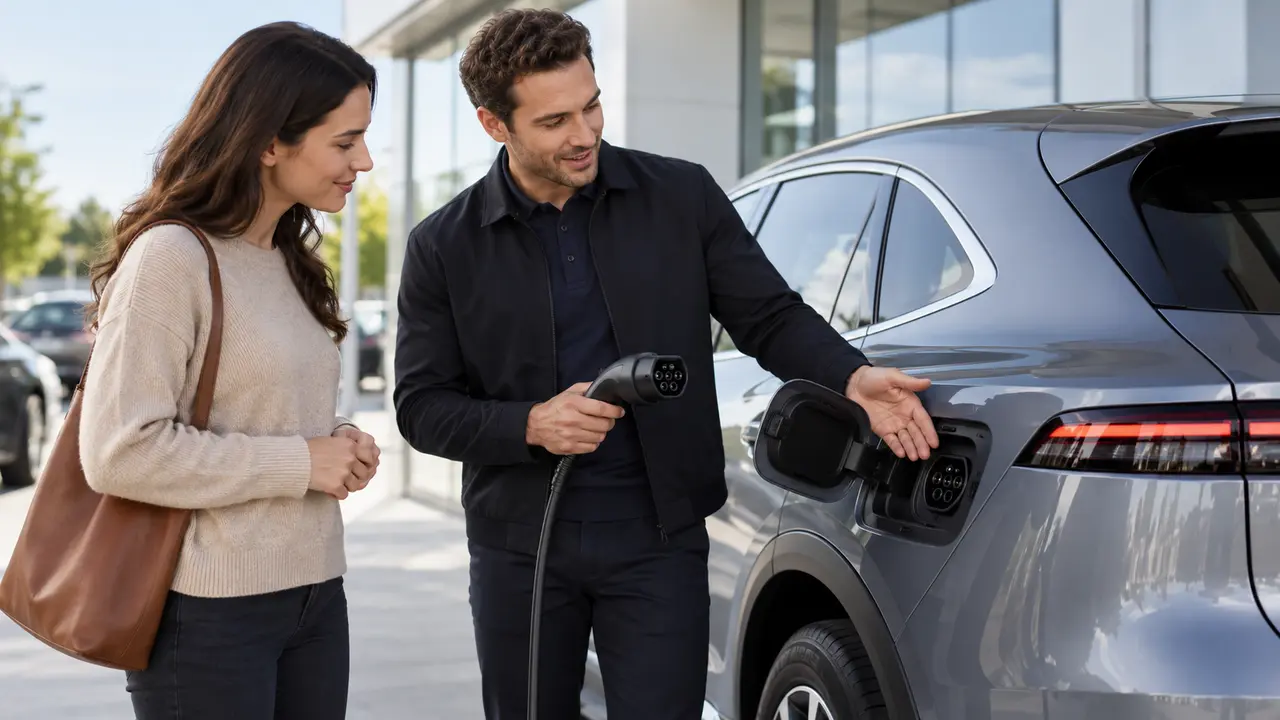
Ask for a live demonstration of the charging port, cable release, charge limit setting and public charging process. Confirm the correct cable or adapter is supplied if promised. Check the battery percentage and whether the car reports a charging fault. The Alternative Fuels Data Center explains that charging rates vary by vehicle and equipment. Ask how to find compatible chargers in your region. The car’s first charge should not be a mystery once you reach home.
Check the first charge
Ask which cable and charger the car supports and whether any app activation is needed. Confirm how to stop and release a charging session safely.
Take a careful test drive
If the dealer permits a final delivery drive, use ordinary roads and legal speeds. Notice steering alignment, brakes, unusual vibration, rattles and climate control. Test parking sensors safely in a controlled place. A new car may feel unfamiliar, so distinguish a normal feature from a fault by asking for a demonstration. If there is an unexplained safety issue, do not feel pressured to take delivery that day. A short delay is easier than dealing with a defect after registering and leaving.
Understand pre-delivery checks
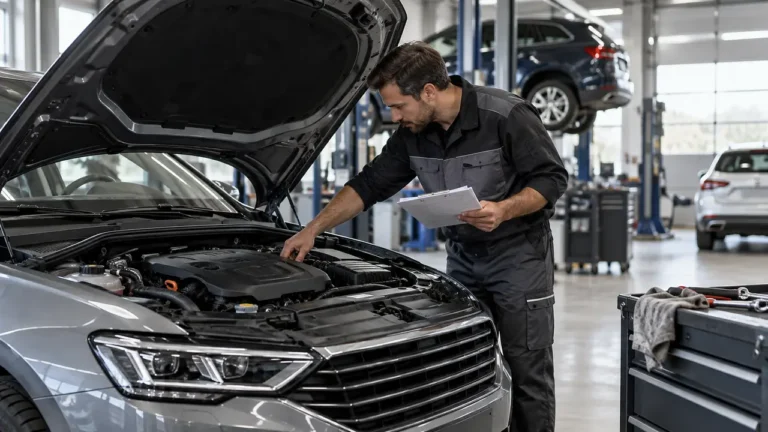
Dealers usually perform a pre-delivery inspection, often called PDI. Ask for a record of what was checked, including software updates, fluids, battery state, tyres and outstanding campaigns. The checklist varies by maker and market. A completed form does not replace your own visual check, but it gives you a record to discuss if something is wrong. If the car sat in storage, ask whether any time-based preparation was needed. Keep the PDI document with the service records.
A practical handover example
Imagine a buyer arriving for a new family car. The color and model are correct, but the ordered parking camera is missing and one wheel has a fresh mark. They photograph both issues, compare the invoice and ask the dealer to note them before signing. The dealer arranges a clear remedy. Because the buyer also checks insurance and spare keys, there are no surprises on the first journey. The approach is calm and factual; a new car purchase should not require a confrontation.
What to do if something is wrong
Stop the handover process for major mismatches, safety faults or missing contractual equipment. Ask the dealer to record the concern, propose a written resolution and explain how local consumer rights apply. For a minor cosmetic issue, decide whether you accept a documented repair or prefer another remedy. Do not sign a statement that all defects are resolved if they are not. Keep copies of photos, messages and inspection notes. The best time to settle a delivery problem is before the final acceptance is complete.
Frequently asked questions
Should I inspect a brand-new car?
Yes. New vehicles can have transport damage, missing accessories or paperwork errors. A calm check is normal.
Can I refuse delivery for a fault?
Rights depend on contract and local law. Record the fault and ask for a written remedy before accepting the car.
What is a PDI?
A pre-delivery inspection is the dealer’s preparation and check process. Request its record and still inspect the car yourself.
Takeaway: Compare the actual car and documents with your order, photograph defects and sign only when the handover is clear.