Choosing a Car for Older Drivers in 2026: Comfort, Visibility and Easy Controls
Car shopping changes when comfort, visibility or ease of entry becomes a priority. The goal is not to label drivers by age. It is to find a vehicle that supports the tasks they do every day. This guide offers a practical test-drive checklist for older drivers and anyone who values easy controls, with attention to global vehicle choice and local licensing rules.
Start with everyday tasks
A car that feels good on a short test drive may still be hard to use every day. Think about getting in and out, parking in a narrow space, seeing traffic signs and carrying shopping or mobility aids. The right vehicle is not necessarily the largest SUV or the one with the most technology. It should fit the driver and usual passengers. Write down the tasks that cause discomfort in the current car, then test candidate models against those tasks. This approach makes the choice practical without assuming all older drivers have the same needs.
Choose an easy entry height
Very low seats can make standing up difficult, while a tall vehicle may require an awkward climb. The best seat height depends on the person’s mobility and leg strength. Try entering and leaving each candidate several times in a safe place. Check door opening width, sill height and whether the seat can move back without hitting a rear passenger’s knees. A fixed showroom display cannot answer these questions from measurements alone. Bring the shoes and any aid the driver normally uses, if practical.

Check seat support and adjustment
A comfortable seat supports the back and thighs without forcing an awkward reach to pedals. Look for suitable height, lumbar and steering adjustment. Heated seats may help comfort for some drivers, but they do not replace a supportive shape. Spend at least several minutes in the seat before a test drive. Ask whether the controls are easy to operate without searching through menus. If a driver shares the car, memory settings may be useful but are not essential. Comfort should be tested on real roads.
Spend time in the seat
Try the full adjustment range, reach the pedals and controls, then take a normal drive. A seat that feels fine for thirty seconds may not suit a longer journey.
Visibility matters more than screens
Large windows, sensible mirror placement and a clear view over the dashboard can make driving less tiring. Thick roof pillars may create blind spots that cameras cannot fully remove. Check the view when turning, merging and reversing. A reversing camera can help, but it is not a substitute for direct observation. Try the car at day and night if possible, using legal safe routes. Look for glare, reflections and how easily the driver can read the instrument cluster. Clear visibility is a safety feature in daily life.

Make controls simple
Some drivers prefer physical buttons for climate control and key functions because they are easier to find by touch. Others enjoy voice commands and a large display. Ask the driver to adjust temperature, clear a misted windscreen and change audio volume while parked. A control that needs many menu taps may be distracting in motion. Check that warning messages use readable text and useful contrast. Technology should help the person, not require constant learning. A clear manual and easy local support can be worth more than a long feature list.
Test parking and steering
Power steering, parking sensors and a suitable turning circle can reduce effort in tight places. But different cars have different steering feel and sight lines. Practice a normal parking maneuver in a safe legal area, not a risky obstacle course. Check whether the driver can see wheel and curb positions without strain. If a car has an automatic parking aid, learn its limits and keep responsibility for watching the surroundings. Do not choose a vehicle because a sales video shows hands-free parking in ideal conditions.

Consider driver assistance wisely
Automatic emergency braking, blind-spot alerts and lane warnings can be useful when working properly. They also have limits related to weather, road markings and sensor visibility. The Euro NCAP safety program evaluates vehicle assistance and crash performance in supported markets. Check the rating for the specific model and year, then read the car manual. Avoid overconfidence in a long list of features. A driver should be comfortable turning optional alerts on or off as allowed and knowing when assistance may fail.
Space for passengers and aids
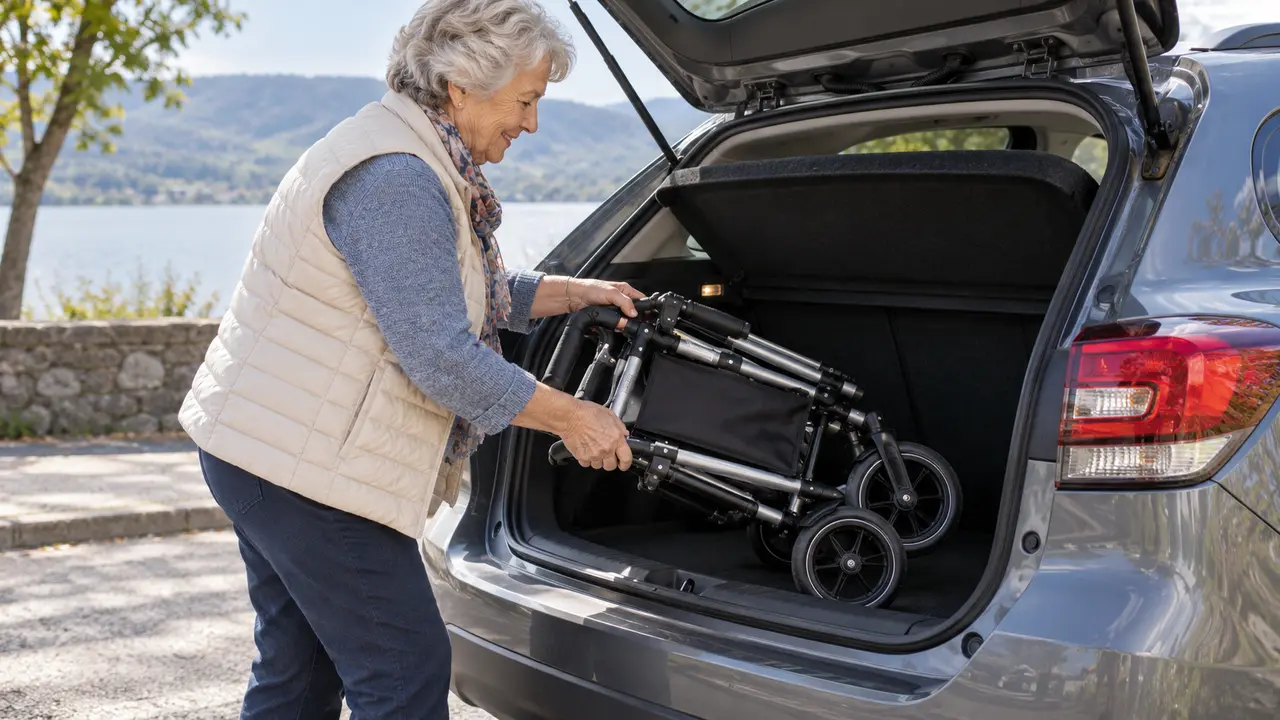
If the driver carries a walking frame, folding wheelchair or other equipment, bring it to the showroom. Check whether it fits without removing safety equipment or blocking the rear view. Try loading it at a comfortable height. Consider how much the boot lip and heavy tailgate affect daily use. Rear-seat access can matter when carrying family or caregivers. A larger vehicle is not always easier: some have higher floors and heavier doors. Measure the items that must fit, then test in person.
Bring the real equipment
Test loading a walking aid, wheelchair or stroller instead of guessing from listed boot volume. Check the weight and height of the opening.
Choose the right gearbox and powertrain
An automatic gearbox may reduce repeated clutch use for some drivers, but it is not universally better. Electric cars can offer smooth low-speed driving, while familiar combustion or hybrid controls may feel more natural to someone else. Ask how the car starts, parks and selects gears. Test one-pedal driving modes in a safe place before relying on them. Check charging access if considering an EV. The best powertrain is one the driver can operate confidently within the budget and daily routes.
Medical and licensing needs
Health conditions can affect driving, but decisions about fitness to drive belong to qualified clinicians and local licensing authorities. Do not assume age alone makes someone unsafe. Some people may benefit from specific vehicle adaptations or an occupational driving assessment. Laws differ regarding medical disclosure and modifications, so verify official requirements. A good car choice cannot replace needed health or vision checks. The aim is safe independent mobility where possible, with a realistic plan if needs change.
A practical comparison
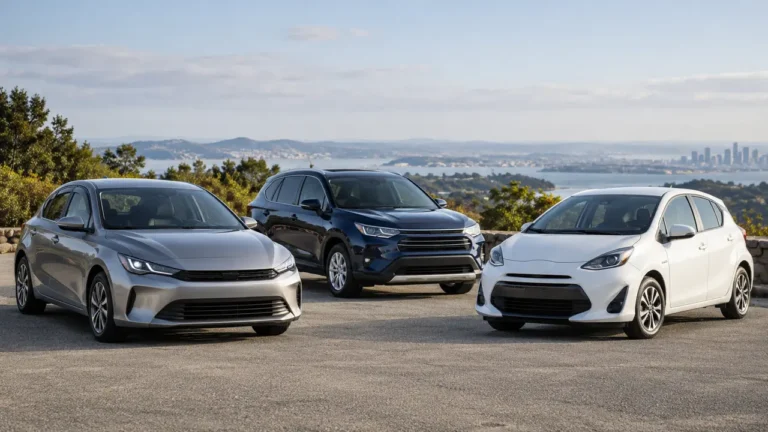
Imagine a driver who finds the current sedan too low and its touchscreen hard to read. They test a small crossover with a higher seat, large physical climate controls and good mirror visibility. The crossover is easier to enter but has a tall boot lip, so they also test a compact hatchback. Bringing their usual shopping trolley makes the difference clear. They choose the car that handles daily tasks best, not the one with the biggest display. A real-use test often reveals more than a brochure.
Make a calm buying plan
Set a budget that includes insurance, maintenance, tax, parking and any adaptations. Shortlist a few cars and test them on familiar routes. Ask the driver to rate entry, seating, visibility, controls and parking after each drive. Include a trusted companion if wanted, but keep the driver’s own needs central. Check local dealer support and repair access. Do not rush because of a limited-time discount. The right vehicle should remain comfortable after the showroom excitement fades.
Frequently asked questions
Is an SUV always easier for older drivers?
No. A taller seat may help some people, but high steps and boot lips can make others less comfortable.
Are safety cameras enough for visibility?
No. Direct sight lines, mirrors and careful observation remain essential. Driver assistance has limits.
Should age decide whether someone can drive?
No. Follow individualized medical advice and local licensing rules rather than assumptions based on age.
Takeaway: Test entry, visibility, controls and daily cargo with the person who will drive the car.