Third-Party vs Comprehensive Car Insurance in 2026: What Each Covers
Should you buy basic third-party insurance or broader comprehensive car insurance? The best choice depends on the car, your savings, local law and the risks you need covered. Names can be confusing because countries group the benefits differently. This global guide breaks the choice into clear questions so you can compare real policy terms instead of relying on a marketing label.
What third-party cover means
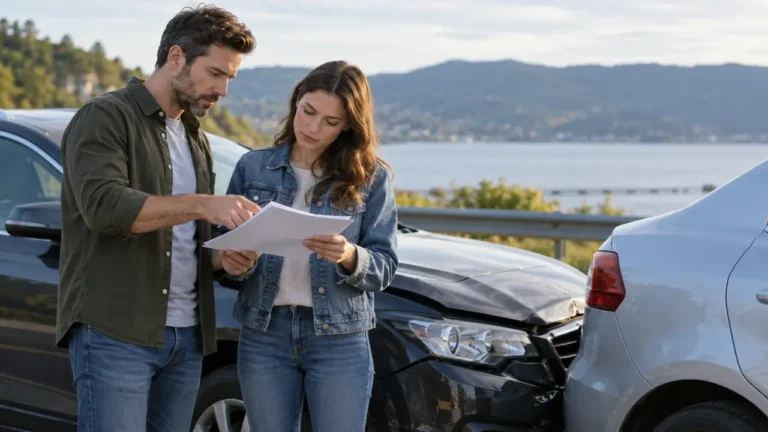
Third-party liability insurance pays for certain losses you cause to other people, subject to limits and local law. Depending on the policy, it can include injury and property damage. It generally does not pay to repair your own car when you cause an accident. Some countries require a minimum form of liability cover, but those minimums can be too low for a serious crash. Read the local wording carefully: legal names and what is compulsory differ across markets. Do not assume that a policy called third party offers the same benefits worldwide.
What comprehensive can mean
In many markets, comprehensive cover protects your own car from specified non-collision events such as theft, fire, storm damage or vandalism. In others, an insurance product marketed as comprehensive also bundles collision, liability and other benefits. The label alone is not enough. The National Association of Insurance Commissioners explains several distinct auto coverage types in its consumer guide. Look for the actual schedule of insured events, policy limits and exclusions. Ask the insurer to explain which risks are not covered.

Collision and own-damage protection
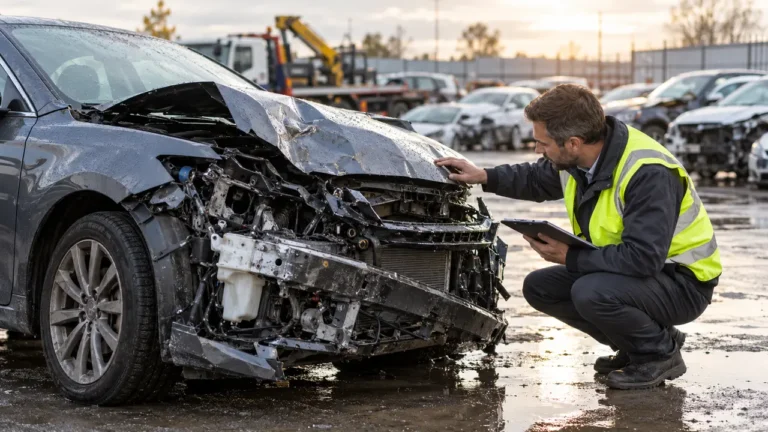
Damage to your car after a crash may be covered by a collision or own-damage section. That can be separate from comprehensive in some countries, or included in a broader package elsewhere. Check whether the policy covers a single-vehicle crash, parking damage and an accident when the other driver cannot be identified. Ask how the claim affects your no-claim discount or future price. If the car is financed, the lender may require own-damage cover even when the law only requires liability insurance.
Choose a suitable liability limit
A minimum legal limit does not mean a claim cannot exceed it. A serious injury or multi-vehicle collision can create costs above a basic policy. Ask what limit applies to each person, each event and property damage. Confirm whether legal defense is included and whether it sits inside or outside that limit. A higher limit may cost more but can protect personal assets. Local legal systems differ, so compare limits using realistic risks and advice from a licensed professional rather than copying a number from another country.
Understand deductibles and excess
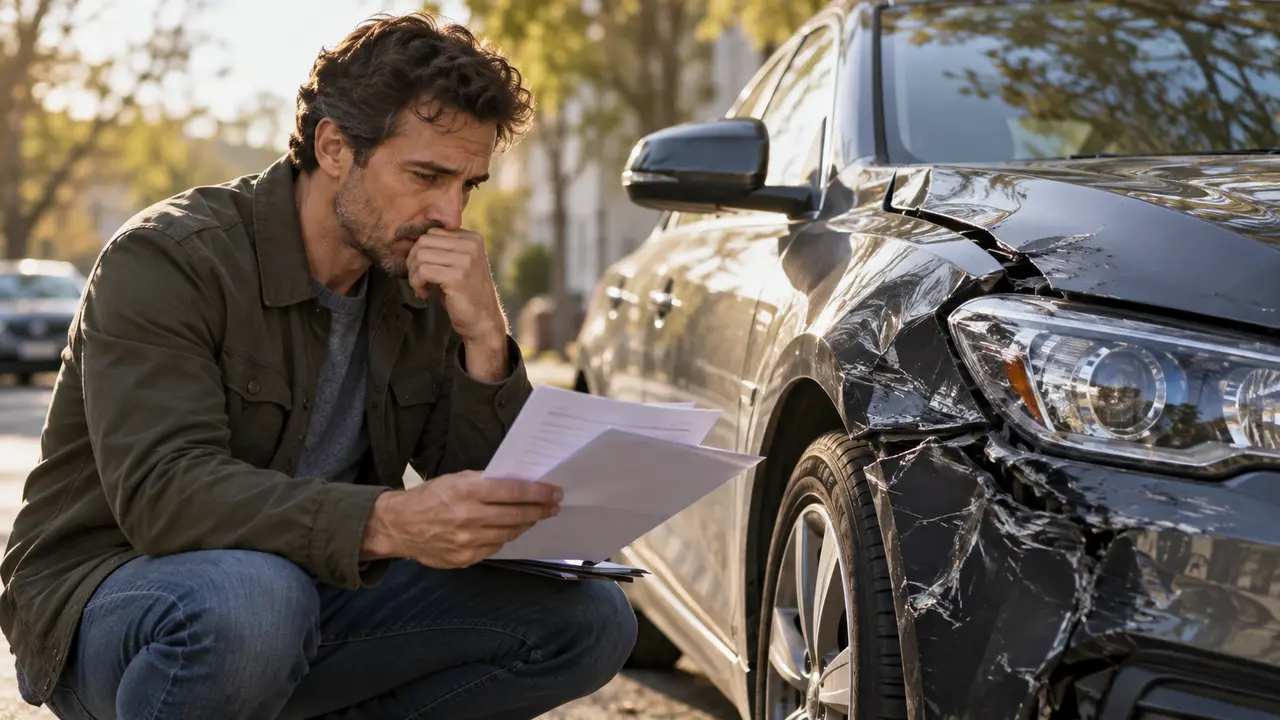
A deductible, sometimes called excess, is the part of a covered loss you pay yourself. Higher voluntary excess may lower the premium, but it increases what you need in cash at claim time. There may be separate amounts for theft, windscreen or young drivers. Ask whether the deductible applies per claim and how it changes after an accident. For example, a 500-unit excess on a 1,200-unit covered repair may mean you pay 500 and the insurer pays the rest, subject to all other policy terms.
Test your emergency fund
Imagine paying the full deductible tomorrow. If that would strain essential bills, compare a lower deductible and the difference in annual premium.
Think about the car’s value
If your vehicle has low market value, a costly own-damage policy may no longer make economic sense for you. Compare the annual premium and deductible with what you could afford to repair or replace. But do not drop required liability cover. A newer or financed vehicle can justify stronger cover because a loss would be harder to fund. Check the insurer’s settlement basis: market value, agreed value or a special replacement benefit. A very old car with expensive modifications may require separate valuation.

Theft, weather and natural events
Weather and theft risks depend on where you park, travel and live. A policy may cover storms, flooding or theft but exclude particular events or require specific precautions. For example, flood exclusions or water-entry conditions can matter in high-rainfall areas. Check the policy’s territorial limits and how it treats belongings inside the car. Personal items often have different cover from the vehicle itself. Ask what documents are needed for a claim before an event happens. Clear photos and proof of ownership are useful.
What insurance may exclude
Policies can exclude illegal use, unlicensed driving, deliberate damage, certain business activities or unauthorized drivers, but wording varies. A standard personal policy may not cover commercial delivery or paid rides. Some modifications also need disclosure. If another household member often drives the car, ask whether they must be named. Keep the insurer informed of changes to address, use and vehicle details where required. A cheaper premium is not a saving if the claim you expect to rely on is excluded.
Compare quotes fairly
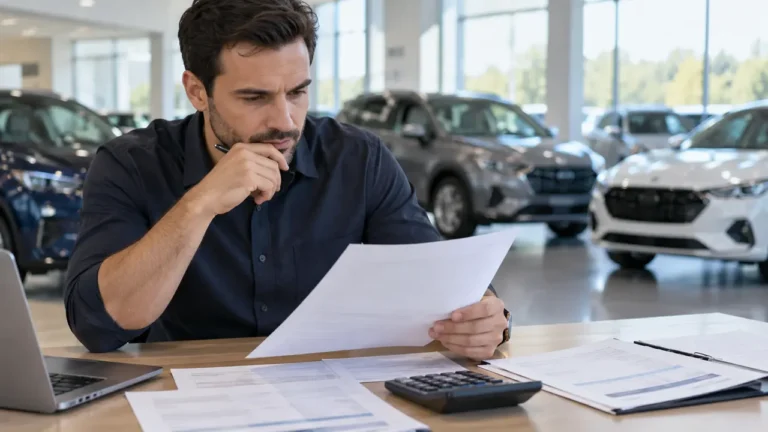
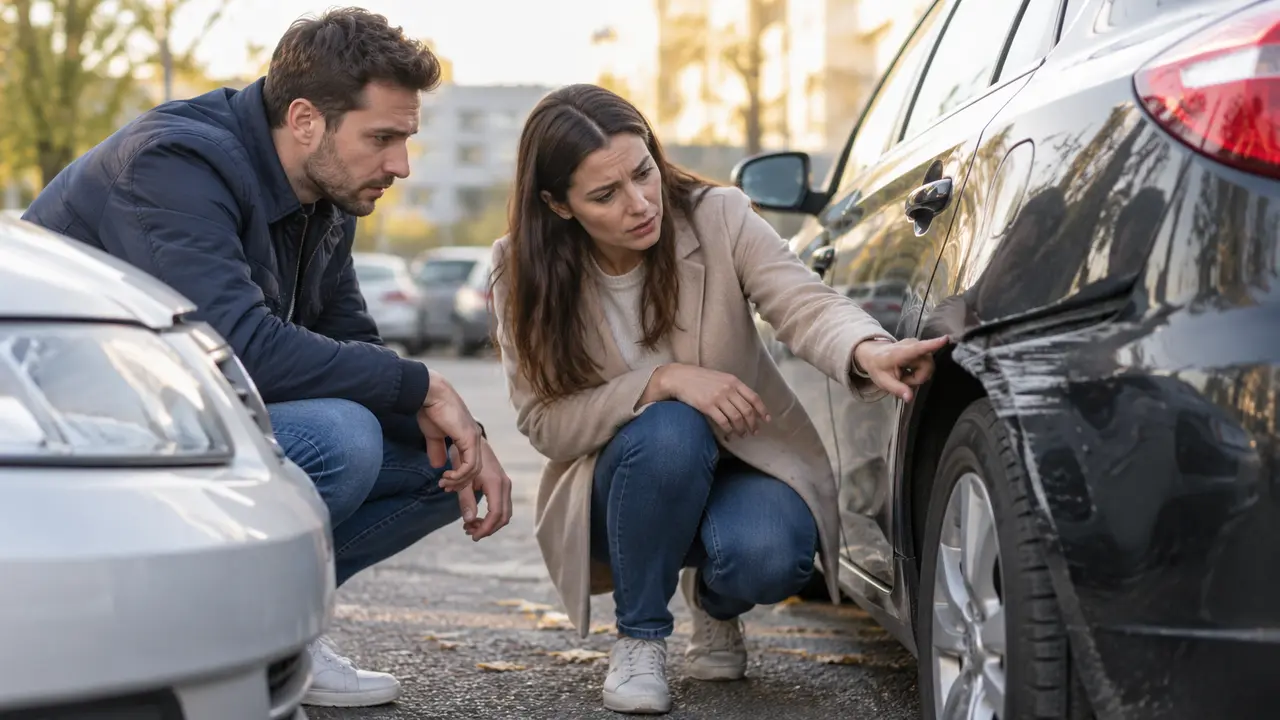
Make sure every quote uses the same drivers, car details, annual distance, deductibles and cover limits. Check optional roadside assistance, hire car, glass cover and legal expenses separately. A low price may hide narrower cover or a large excess. Ask whether taxes and monthly payment fees are included. For example, compare two quotes with identical liability limits and then look at the premium difference for own-damage cover. This reveals what you are paying for instead of comparing unrelated bundles.
Use equal coverage columns
Put each quote beside the same coverage checklist: liability limits, own damage, theft, weather, excess, repair choice and claim service. This turns marketing names into a useful comparison.
A practical decision example
Imagine two owners of cars with very different values. The first has an older inexpensive car and enough savings to replace it, but still needs strong liability protection. The second has a recently financed car and could not pay for major crash repairs. Their sensible insurance choices may differ. Both should check local legal requirements and claims service. The point is to match cover to financial risk, not automatically buy the biggest label or the smallest premium.
Check the claims process
Before buying, find out how to report an accident, choose a repairer, document theft and get emergency help. Ask if the insurer pays the workshop directly and whether approved parts must be used. Find out the time limits for reporting and what happens when drivers disagree about fault. Keep emergency contact details in the car or phone. A good policy is useful only when you can make a claim under its terms. Reviews can offer clues, but the written claims procedure is more dependable.
Review cover once a year
Your car’s value, driving needs and household drivers change. At renewal, check whether the declared distance is still accurate and whether new accessories or uses need cover. Review deductibles and limits against your savings. Requote equivalent plans rather than accepting the renewal price without checking. Do not let old cover end before replacement starts. A lapse can leave you exposed even if you planned to buy a new policy the next morning. Keep the final schedule and payment proof together.
Frequently asked questions
Does third-party cover repair my car?
Usually not when you cause the damage, but check your local policy and fault rules. It mainly protects against certain losses caused to other parties.
Is comprehensive the same everywhere?
No. Some markets separate comprehensive and collision, while others bundle them. Read the actual sections and exclusions.
Should I choose the lowest premium?
Only after matching limits and deductibles. The cheapest policy may expose you to greater costs after a loss.
Bottom line: Keep legally required liability protection, then decide what own-vehicle risks you can afford to carry yourself.