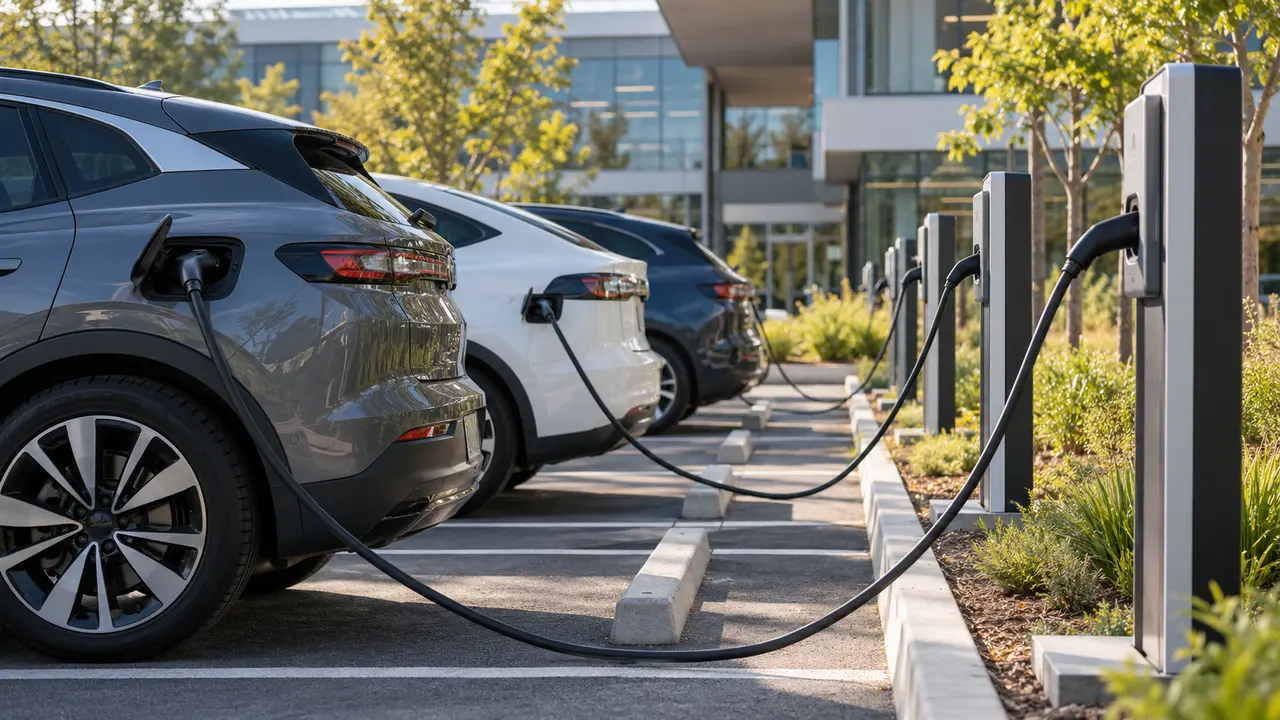
Workplace EV Charging in 2026: Fair Access, Pricing and Safe Parking Rules
Workplace charging can help employees drive electric cars, especially when home charging is difficult. For employers, the challenge is not simply installing a plug. Power, parking time, billing, access and safety all need a plan. This global guide offers practical steps for offices, factories and shared sites, while leaving local electrical and employment rules to the relevant authorities.
Start with a real travel survey
An employer planning EV charging should first ask how employees travel, how many drive plug-in vehicles and how long cars stay parked. Anonymous responses can show demand without collecting unnecessary personal details. A small office where cars remain for eight hours has different needs from a shift-based warehouse. Do not order expensive chargers based only on one enthusiastic employee’s request. Record expected growth, guest use and accessible parking requirements. The data will help choose power, number of bays and a fair access policy.
Look at existing electrical capacity
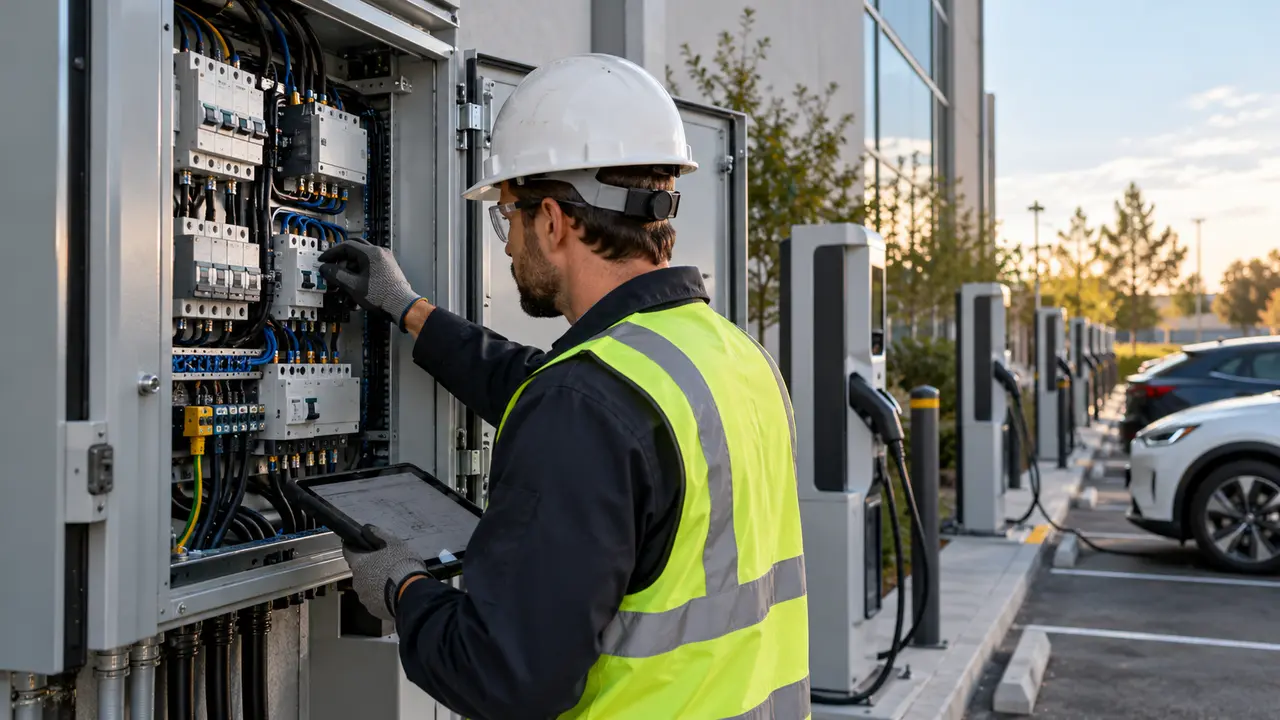
The building’s electrical service may not support several new chargers at full power without changes. A qualified engineer should review supply, distribution panels, peak loads and safe cable routes. Some sites can use managed charging to share available power. Others may need major electrical work, which changes the budget. Do not let staff use ordinary extension leads from office windows or unapproved sockets. Follow local electrical, building and fire rules, and leave design and installation to licensed professionals.
AC charging may be enough
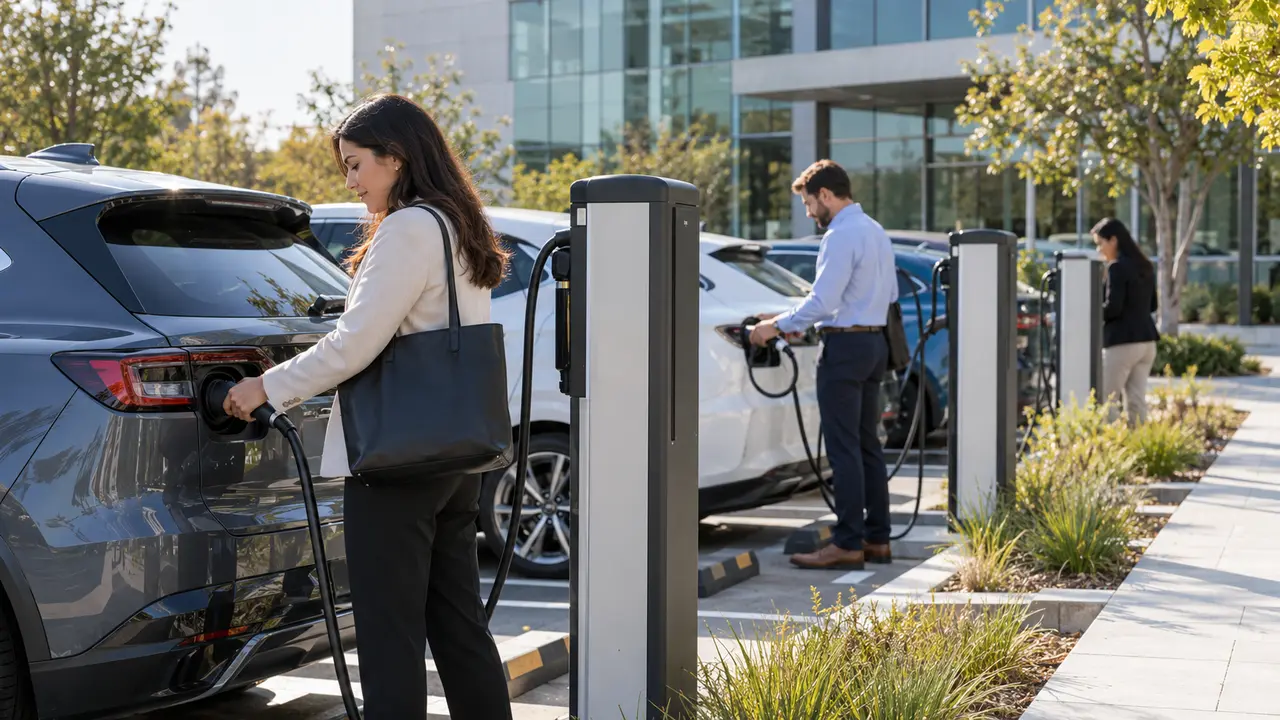
Many commuters park for several hours, so moderate-power AC charging can be useful without the cost of a high-power rapid charger. The right output depends on dwell time, travel distance and the cars’ onboard charging limits. A charger rated at 22 kW will not give every vehicle that power. The Alternative Fuels Data Center provides planning guidance for workplace programs. Start with practical energy needs per shift, not a marketing claim about maximum charger speed.
Decide who can use the chargers
Define whether bays are for employees only, visitors, fleet vehicles or a mixture. If demand exceeds supply, set a booking or rotation method that people can understand. A first-come system may favor early shifts while excluding workers who arrive later. Consider time limits tied to reasonable energy needs, not arbitrary short sessions. State what happens when someone is on leave or a car finishes charging early. Apply rules consistently and make the process accessible to people with different work schedules.
Set a fair price
Some workplaces offer free charging as a benefit, while others charge per kWh, per hour or by a fixed session fee where law permits. A fair scheme should make costs visible before the session starts. The employer may need to recover equipment, electricity, network and maintenance costs. Charging should not become a hidden wage or tax issue; local employment and tax rules matter. A clear tariff is better than informal arrangements between staff. Check whether billing equipment must meet local measurement standards.
Plan for accessible charging
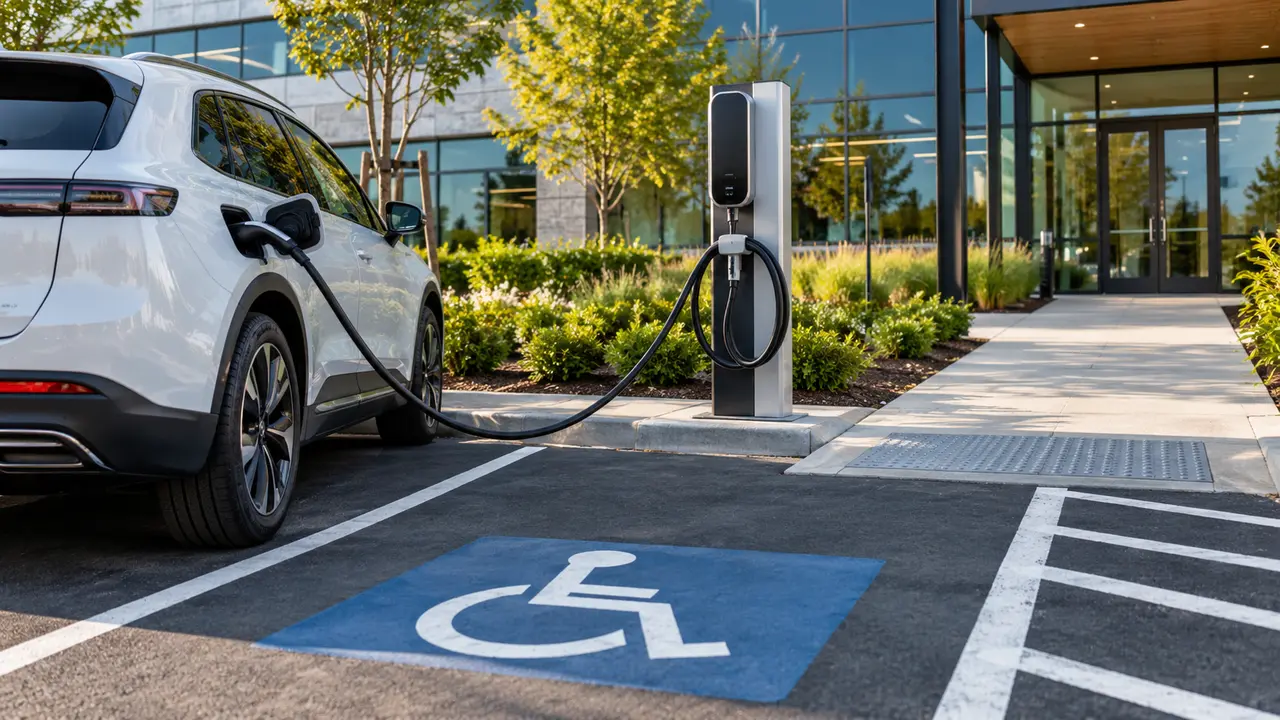
A parking bay is not accessible merely because it has an EV sign. Think about clear paths, connector reach, cable weight, screen height, payment methods and space for wheelchair transfers. The U.S. Access Board publishes guidance and rulemaking material on accessible EV charging. Exact legal standards differ by country, but the design questions are broadly useful. Involve disabled staff or accessibility advisers early, before pouring concrete or placing bollards. Retrofitting a blocked route later can be much harder.
Test the route from bay to building
Imagine someone moving from the driver door to the charger and office entrance. Look for kerbs, narrow aisles, heavy cables and screens that are hard to reach.
Write basic etiquette rules
Explain that charging bays are for active charging and should not become reserved all-day parking unless the program allows that. Ask drivers to move vehicles when a session finishes if safe and practical. Provide a way to report a faulty connector without blame. Do not encourage drivers to unplug another person’s car; lock systems and charging sessions vary. Set a simple conflict-resolution route with facilities staff. The aim is dependable charging, not staff policing one another at the car park.
Choose reliable software
Networked chargers may offer access control, energy reports, booking and alerts. Before buying, ask what happens during an internet outage and whether basic charging can continue. Check data protection terms, payment security and whether the operator can export records if the business changes vendors. Avoid a system that locks the site into one expensive service without clear support arrangements. Staff should be able to charge without sharing more personal location or travel information than is needed for the service.

Safety and maintenance matter
Keep bays well lit and free of trip hazards. Protect chargers from vehicle impact without blocking access. Inspect connectors and cables regularly and remove damaged equipment from service. Display a clear fault contact and emergency procedure, using local safety guidance. Employers should not ask office staff to repair electrical equipment themselves. Ask the installer for maintenance intervals, test reports and service response times. A cheap charger with no local repair support may create more trouble than it saves.
Build a realistic budget
Include electrical surveys, equipment, installation, pavement work, permits, signage, accessible design, network fees and ongoing repairs. Check for local incentives, but do not assume a grant will remain available. Estimate utilization conservatively and plan how the program will handle more EVs later. A staged installation can leave space and conduit for expansion without buying every charger on day one. Get multiple itemized quotes and confirm who owns the hardware and data after any service contract ends.
Include recurring costs
Ask for yearly network, service and payment fees, not just installation. Equipment is a long-term service commitment.
An office example
Imagine a workplace with fifty parking spaces and six employees who currently drive EVs. Most cars stay parked for seven hours. The employer begins with a small number of managed AC chargers and a booking policy that rotates access fairly across shifts. A clear per-kWh tariff covers electricity, and facilities staff review usage every quarter. When demand rises, pre-planned wiring makes expansion easier. The plan is modest but practical because it reflects actual parking time and electrical capacity.
Check accessibility after opening
Do a walkthrough with a wheelchair user and a person with limited grip after real vehicles begin using the bays. Parking habits may differ from the design plan. Check that cables do not block paths and that the payment method remains usable after software changes. Include these findings in a regular facilities review. Fixing an issue early can improve both safety and staff trust.
Review the program regularly
After launch, track sessions, charger faults, waiting lists and complaints about access. Protect personal data and report only the operational detail needed for decisions. Ask whether drivers can find chargers, pay easily and move vehicles without disrupting work. If one bay is rarely used while another is always full, review signage or scheduling. Revise pricing transparently when energy rates change. A workplace charging program is a service that needs care, not a one-time purchase.
Frequently asked questions
Does a workplace need fast chargers?
Not always. Cars parked for many hours may be served well by managed AC charging. Survey real travel needs first.
Should workplace charging be free?
That is a policy choice shaped by cost and local tax rules. Any price should be clear and fair to users.
How can access be fair?
Use transparent booking or rotation rules, include different shifts and consider accessibility from the start.
Takeaway: Survey demand, check electrical capacity and agree on pricing and bay rules before installation.