Wireless EV Charging in 2026: How It Works, Limits and Real Uses
Could you charge an electric car simply by parking over a pad? Wireless EV charging is a real technology, but it is not yet a universal feature. Some systems serve pilots and fleets; many ordinary cars still need cables. This guide explains the science in plain terms and focuses on what drivers and site owners should check before spending money.
How wireless charging works
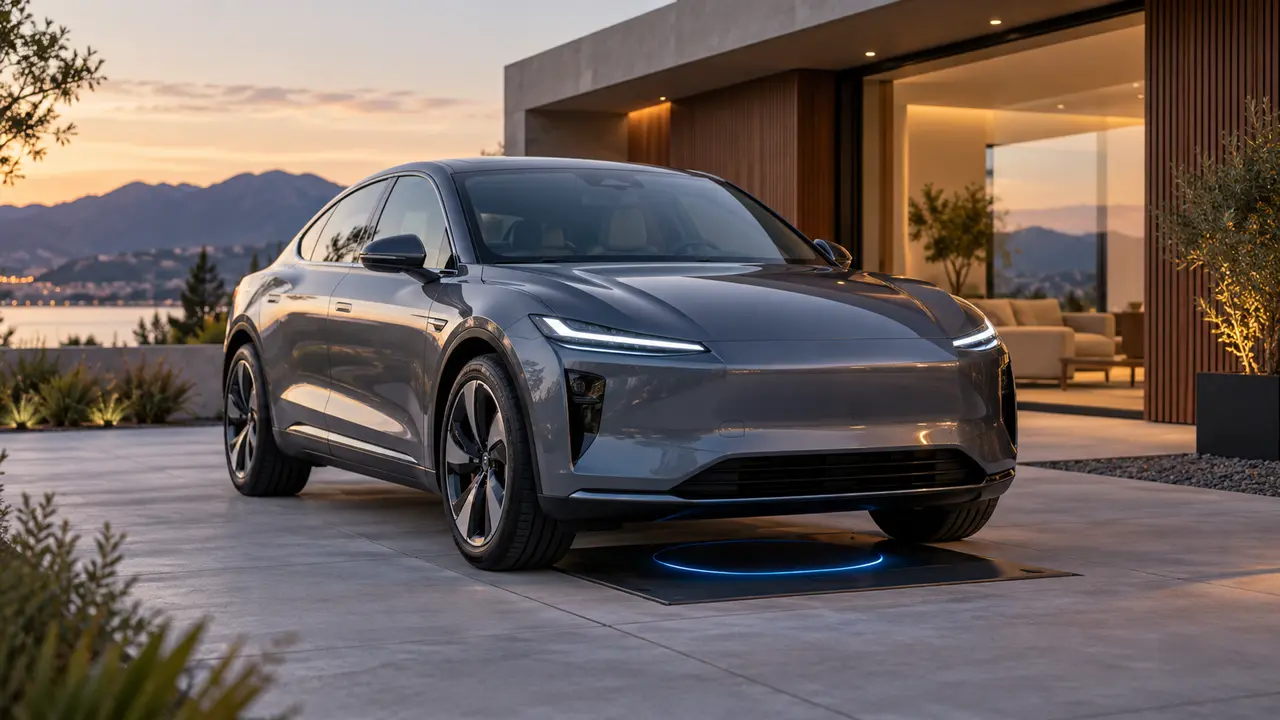
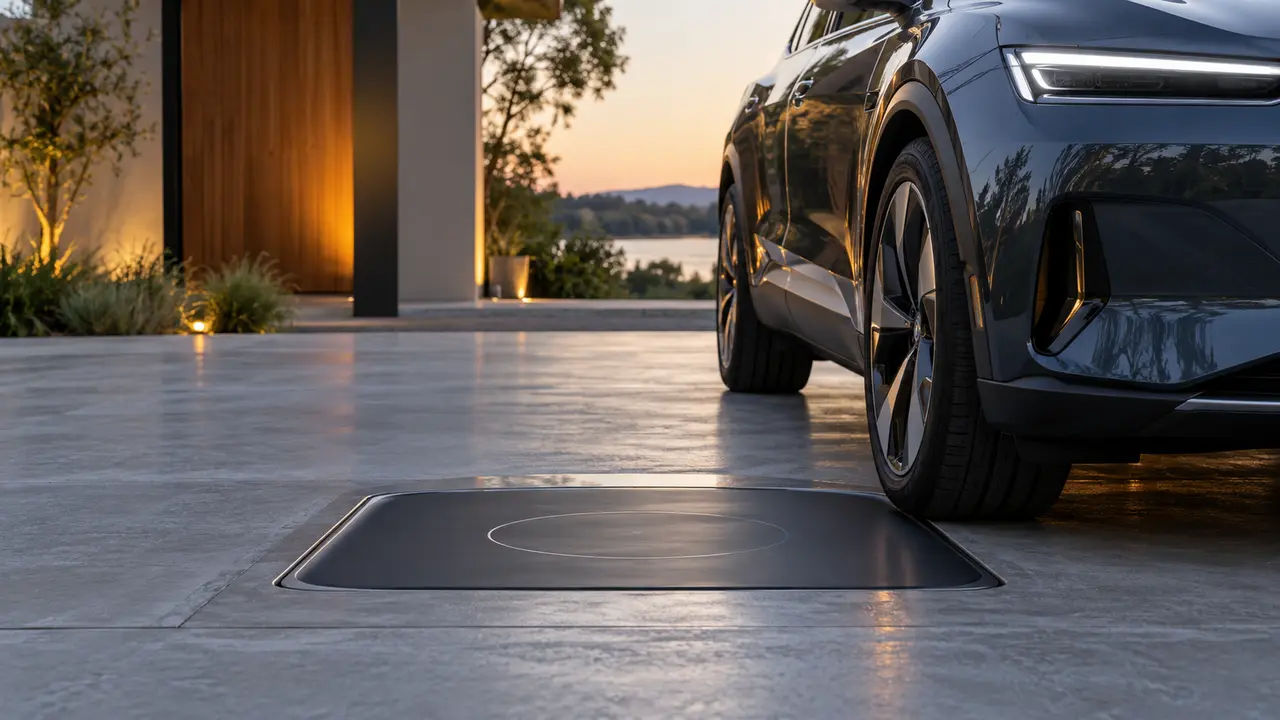
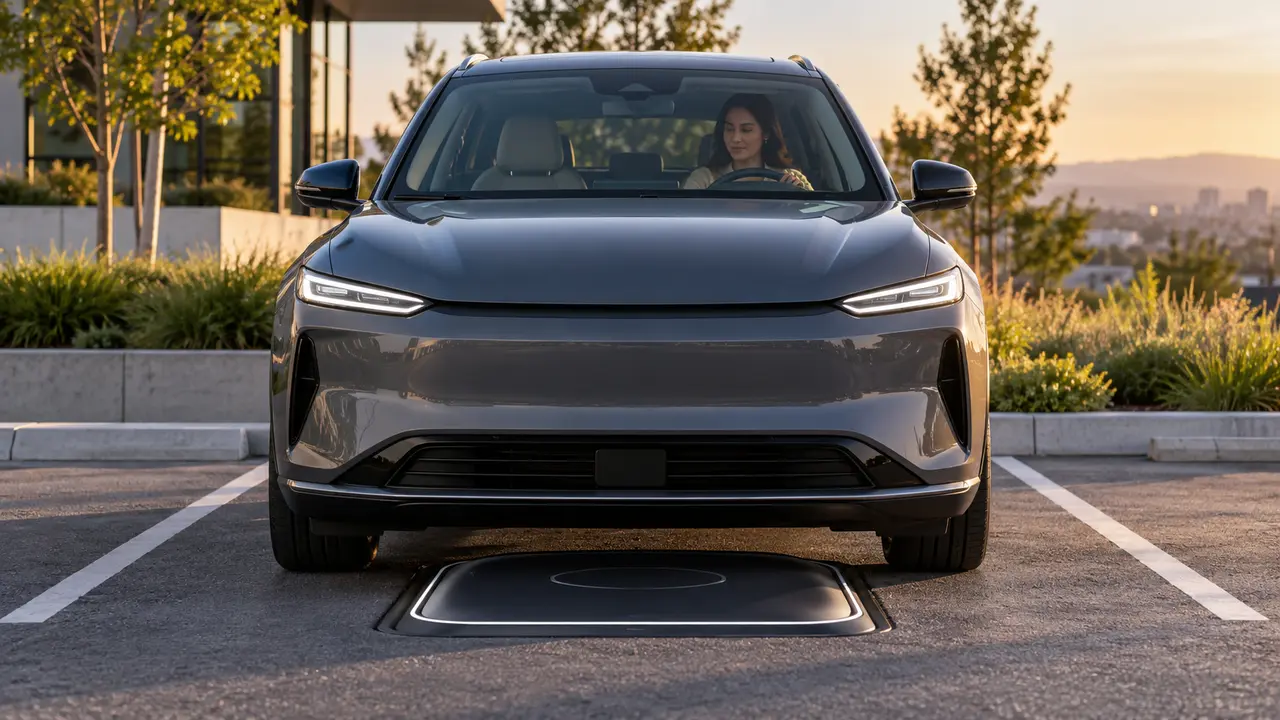
Wireless charging transfers power between equipment on the ground and a receiving unit fitted to a compatible vehicle. Instead of plugging in a cable, the driver parks over a charging pad. The system uses magnetic coupling to transfer energy across an air gap. It still needs a safe electrical connection to the building or grid. Wireless does not mean energy comes from nowhere. Charging speed, alignment and efficiency depend on the complete design. A normal electric car cannot usually use a ground pad unless the vehicle has the required hardware.
What research has shown
Research is moving faster than ordinary public rollout. Oak Ridge National Laboratory reported a 270 kW wireless charging demonstration on a light-duty passenger vehicle. This is a research milestone, not proof that such chargers are common at supermarkets or safe to install in any driveway. Laboratory performance uses specialized hardware and testing. When reading a news headline, ask whether the system is a prototype, pilot fleet or commercially supported product. That distinction matters for buyers.
Research is not retail supply
Scientific power records can guide future design, but they do not guarantee that a certified charger for your car is sold locally.
Stationary versus dynamic charging
Most practical systems under discussion charge a vehicle while it is parked over a pad. Dynamic systems aim to transfer energy from equipment embedded in a road as a suitable vehicle moves. Road charging adds major design, cost and maintenance challenges. Drivers should not expect ordinary roads to power their cars in 2026. A stationary pad at a depot, taxi stand or private parking place is a simpler use case. Each system needs compatible receivers, controls and safety testing before it can work.
Parking position matters
Inductive charging works best within the alignment range the system was designed for. A vehicle may guide the driver into place using a display or sensor. If the car parks too far off-center, the session may slow or refuse to start. Snow, debris and uneven surfaces can complicate installation and maintenance. Ask what tolerance the equipment supports and how it confirms the vehicle is correctly positioned. A driver should never need to move a car repeatedly in a risky public area just to make a charger work.

Efficiency and energy cost
Wireless power transfer loses some energy during conversion and transfer, just as plug-in charging also has losses. The amount depends on design, power and alignment. Do not accept a generic percentage for every product. Ask the vendor for measured wall-to-battery efficiency at the operating power you expect. Over a year, even a modest difference can matter for a busy fleet. Compare the total cost of purchased energy, hardware and upkeep with an ordinary cable charger. Convenience is a real benefit, but it has a price.
Safety for people and objects
A properly designed system should detect conditions that make charging unsafe and manage electromagnetic fields within applicable standards. It may need foreign-object detection to prevent metal items near the pad from heating. Ask what happens if a small object, animal or person enters the space. Follow the installation manual and local electrical requirements. Do not place homemade metal covers over a pad or modify its wiring. An approved system is not a reason to ignore safe parking and maintenance practices.
Accessibility benefits and limits
Some drivers find heavy cables difficult to handle because of mobility or grip limits. A compatible wireless system could reduce that task, especially in a private accessible parking bay. Yet users must still be able to park accurately, operate the controls and access support. Wireless charging is not automatically an accessible solution. Test the system with the actual intended users and verify that charging feedback is easy to understand. Public stations also need clear routes, payment access and safe space around the vehicle.
Home installation questions
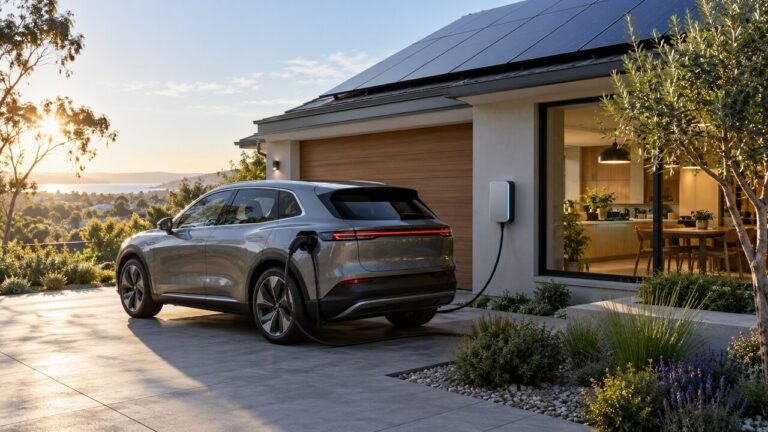
Before ordering a residential pad, confirm that the exact car supports it and that service is available in your market. Ask for a site survey covering electrical capacity, surface drainage, pad protection and parking alignment. Check whether the product is approved under local standards and whether the manufacturer supports software updates. A pad that works only with one vehicle family may be less flexible when you change cars. Never buy based only on a concept video or a promotional estimate.
Confirm installation permission
In a rented or shared property, obtain written approval and a qualified electrical survey before buying hardware.
Fleet and taxi use cases
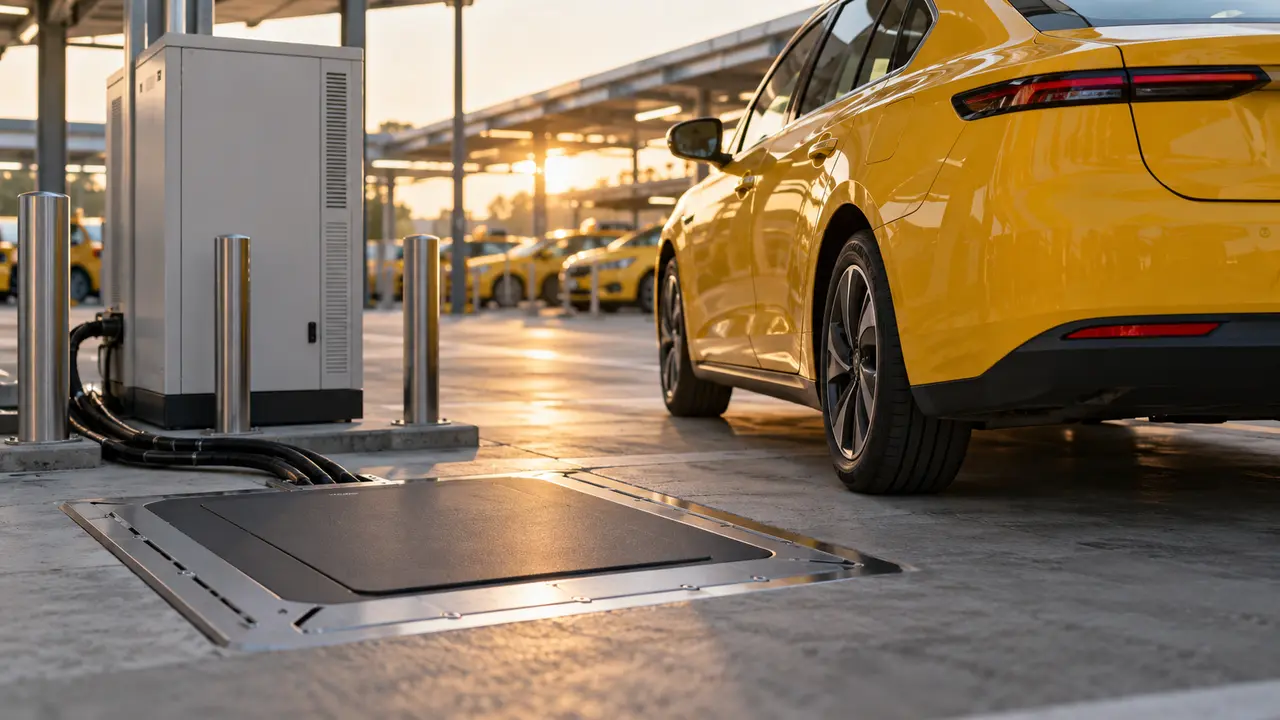
Vehicles that stop at predictable places may benefit from automatic charging. A delivery fleet might park at its depot nightly; a taxi may wait at a designated stand between trips. Less cable handling could help operations, but the economics depend on how long vehicles dwell and how much energy they receive. A fleet manager should pilot a small system first and measure uptime, energy use, alignment failures and repair cost. A research success does not replace a reliable local maintenance plan.
Compare with ordinary plug-in charging
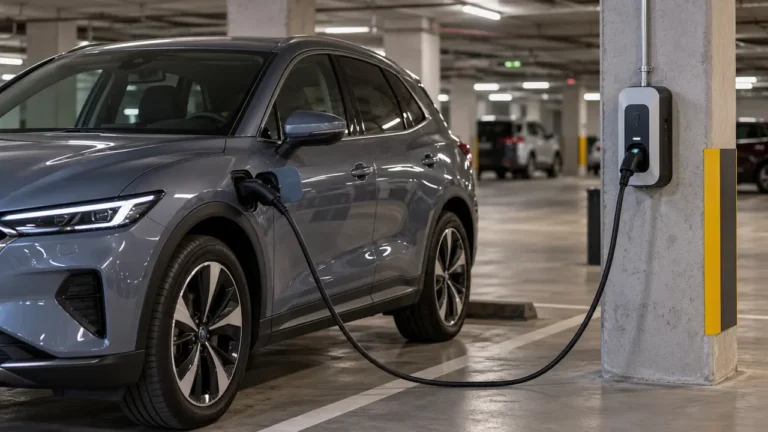
A plug-in charger is widely available and can work across many cars when connectors and standards match. Wireless charging may offer convenience, but currently has stricter compatibility and infrastructure needs. Compare the realistic charging speed for the exact vehicle, total price, electrical work and support. Cable systems also vary in accessibility and safety design, so neither category should be reduced to one blanket statement. Choose a product that solves a real daily problem instead of buying a feature for novelty.
A realistic parking example
Imagine a driver with limited hand strength who parks in the same home space every night. A compatible wireless pad could remove the repeated task of lifting and inserting a connector. Before buying, they verify vehicle support, charging efficiency, installation permission and the cost of future service. If the system is not available locally, an accessible cable holder or easier-to-handle charger may solve the problem sooner. The best result is a safe routine, not necessarily the most futuristic technology.
Check support after the sale
A wireless charger is a long-term part of your parking setup, so support matters. Ask how software updates will reach the pad, whether a technician can repair it locally and what happens if the vehicle is replaced with another model. Confirm who pays to remove or move the hardware if you change homes. A product that works in a demonstration may still be inconvenient if service parts are hard to obtain. Keep installation drawings and warranty documents in case a future electrician needs to inspect the site.
What to ask a vendor
Ask which cars are certified compatible, what power is actually delivered, how alignment works and what efficiency was measured. Request local approval documents, installation plans, warranty terms and evidence of support. Find out what happens after a network outage and whether charging can restart safely. For a public site, ask about payment integration and accessibility. Do not pay a large non-refundable deposit for a product whose delivery or certification status remains unclear.
Frequently asked questions
Can any EV use wireless charging?
No. It needs compatible vehicle hardware and charging equipment, with suitable standards and support.
Is a 270 kW demonstration available to consumers?
A laboratory demonstration does not mean commercial availability. Ask vendors for certified products and local service.
Does wireless charging waste energy?
All charging has losses. Ask for measured system efficiency rather than assuming one fixed figure.
Takeaway: Verify real compatibility, safety, efficiency and support before choosing wireless charging.