Car Air Conditioning Not Cooling in 2026: Safe Diagnosis and Repair Costs
When a car air conditioner stops cooling, it is tempting to assume it only needs more refrigerant. The actual problem may involve airflow, a leak, a fan or electrical controls. This guide helps drivers recognize symptoms, avoid unsafe DIY steps and ask a workshop for a useful diagnosis. It is written for a global audience, so local refrigerant handling laws must be followed.
Start with simple observations
An air conditioner that feels weak may have several causes. Check whether the fan blows air, whether the temperature setting is correct and whether the cabin has had time to cool after parking in the sun. Some cars switch the compressor off at low outside temperature or to protect the system. Note when the problem happens: at idle, on a fast road, after a long drive or only in very hot weather. This information helps a workshop diagnose the fault instead of guessing from one brief test.
Fan problems versus cooling problems
If almost no air comes through the vents, the issue may involve the blower, filter, flap or electrical controls. If plenty of air moves but it stays warm, the refrigeration system may need checking. These symptoms are not a certain diagnosis. Test different fan speeds and vent positions while parked, and note any unusual noise. Avoid inserting tools into vents. A clear description of airflow and temperature is useful because replacing refrigerant will not fix a failed blower motor or a blocked air path.
Cabin filter and airflow
A badly clogged cabin filter can restrict airflow and make the system seem weak. Check the owner’s manual for replacement location and interval. Some filters are easy to reach; others need workshop access. Use the correct size and installation direction. Do not remove a filter permanently to increase airflow, since it also limits dust and debris entering the cabin. If replacing the filter restores airflow but the air still does not cool, the refrigeration system may have a separate problem. Airflow and cooling are related but different.
Low refrigerant may mean a leak
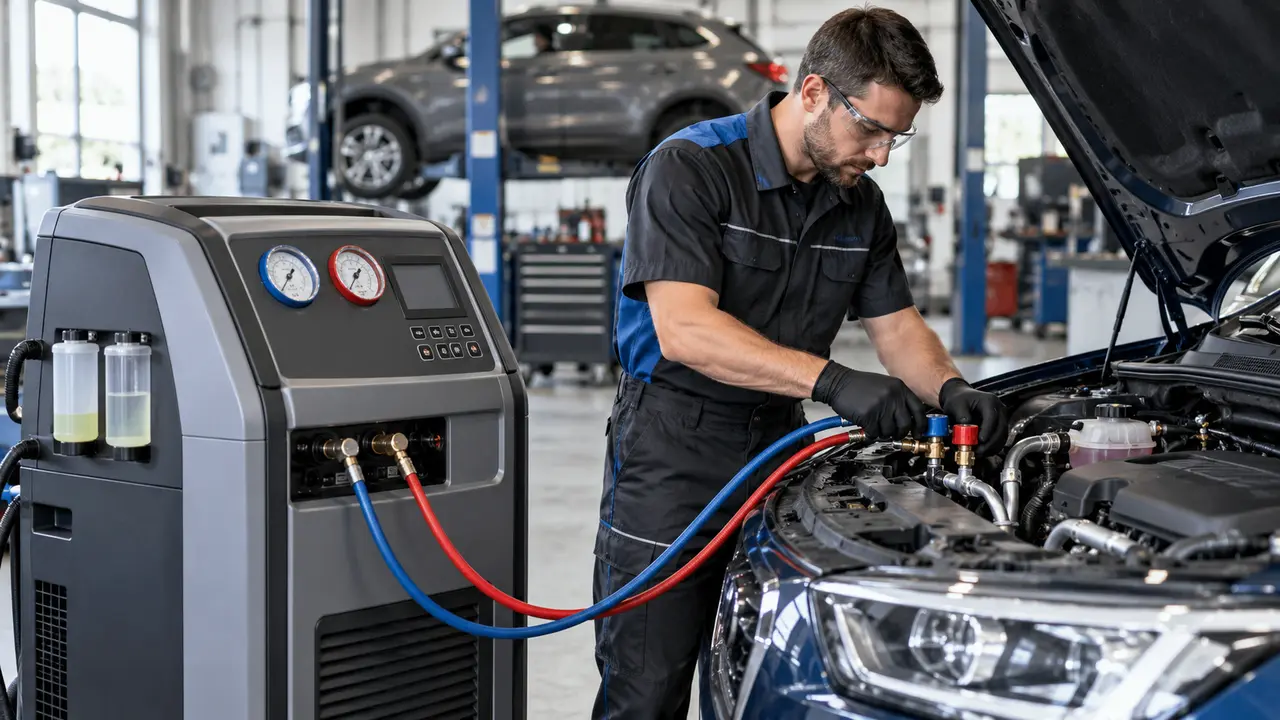
A vehicle AC system is sealed. If refrigerant is low, there may be a leak rather than normal fuel-like consumption. Refrigerants must be handled with the right equipment and under local environmental rules. The U.S. Environmental Protection Agency provides information on motor vehicle air-conditioning refrigerants and service. Do not vent gas or use an unknown DIY can to top up the system. A qualified technician should locate leaks, repair them and recharge the precise specified amount. Too much refrigerant can also cause poor performance or damage.
Protect the atmosphere
Refrigerant must be recovered and handled under applicable rules. Venting it or mixing an unknown product can harm the environment and system.

Compressor and belt issues
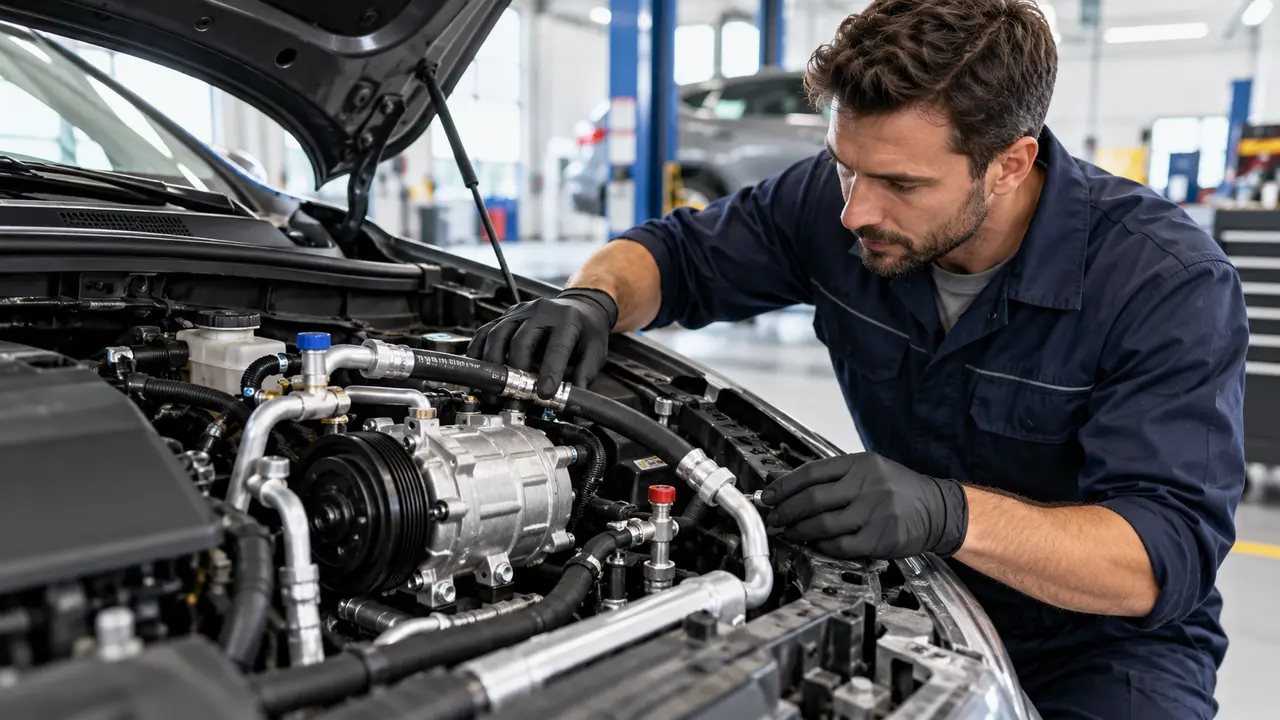
The compressor is a major part of the cooling system. In some combustion cars it is driven by a belt; in many hybrids and EVs it is electric. A failed compressor, clutch, drive belt or control circuit may reduce cooling. The correct diagnosis requires pressure and electrical testing. Do not assume a clicking sound means a specific part has failed. An electric compressor may involve high-voltage equipment, so a trained technician is essential. Ask for the test result before approving an expensive compressor replacement.
Condenser and cooling fans
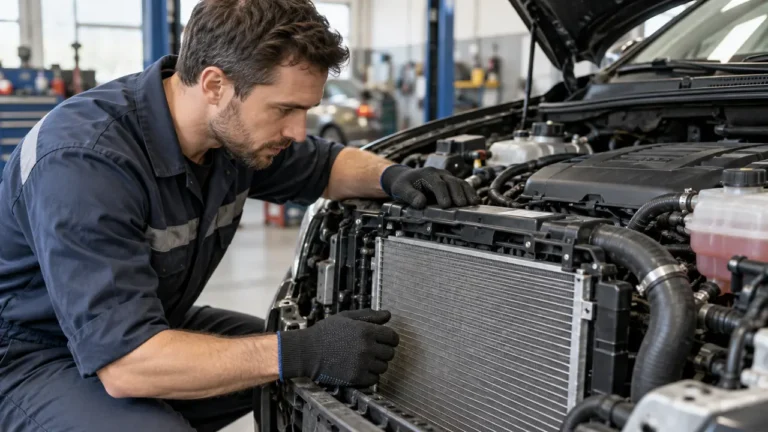
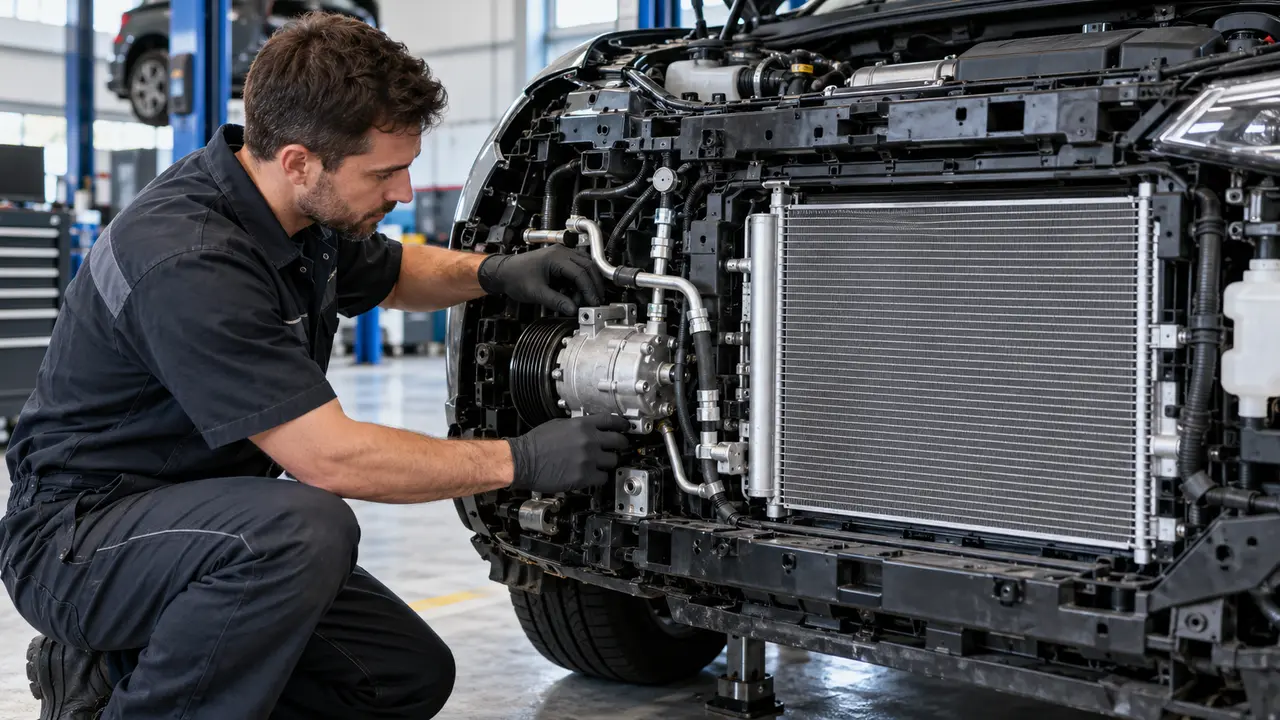
The condenser rejects heat near the front of many vehicles. If airflow is blocked or the cooling fan fails, AC performance may worsen in traffic. A stone impact can also damage the condenser and cause a leak. Check for obvious debris from a safe distance, but do not bend fragile fins or reach near moving fans. A workshop can inspect fan operation and system pressures. If the car also shows an engine temperature warning, prioritize the overheating problem. AC and engine cooling sometimes share airflow equipment.
Bad smells and moisture
A musty smell may come from moisture and microbial growth around the evaporator or cabin filter area. Water dripping under a car after AC use can be normal condensate, but water soaking interior carpets is not. Ask a workshop to check drain flow and possible leaks. Avoid covering odors with strong fragrance alone. Replace a dirty filter and use a cleaning method approved for the system. Persistent dampness can damage cabin materials and should not be ignored. Good ventilation after a wet trip can help keep the interior dry.
Weak cooling in hot weather
A hot cabin can take time to cool, especially after sun exposure. Open doors briefly in a safe place to release trapped heat before driving, then use the climate controls as the manual recommends. Check that the system recirculates air appropriately. Window tint and sunshades may reduce heat, subject to local visibility and tint laws. If the AC only works while moving, tell the technician; that can point toward airflow or fan problems. Compare performance under similar conditions before deciding it has failed.

AC in electric vehicles
Many EVs use a heat pump or electric compressor for cabin cooling and sometimes battery thermal management. A fault can affect more than passenger comfort. Do not handle orange high-voltage cables or open refrigerant lines. Seek a technician trained for the model and refrigerant type. Ask whether a service procedure or software update is required after repair. An EV that shows battery or drive-system warnings needs the maker’s safety guidance first. A simple cabin temperature complaint can sometimes involve a broader thermal system.
What a good workshop should test
Ask for a diagnosis covering vent temperature, airflow, refrigerant level where appropriate, leaks, compressor command and cooling fan operation. The exact tests depend on the car. A proper quote should separate diagnosis, leak repair, parts and recharge. If a garage proposes simply adding gas every summer, ask why the system is losing it. An itemized estimate helps compare repair options. Avoid paying for a major part without an explanation of how its failure was confirmed.
Ask for test evidence
A repair estimate should identify the failed component or leak and explain how the fault was verified. That helps avoid paying for guesses.
A realistic driver example
A driver notices the AC is cold on the motorway but warm in slow traffic. They check fan settings and cabin filter condition, then tell the workshop exactly when the symptom appears. The technician tests the condenser fan and finds a fault. Replacing the fan restores performance without unnecessary compressor work. Now imagine the AC is weak everywhere and the system has a confirmed leak; that needs a different repair. Symptom timing guides the diagnosis, not a universal fix.
Preventive care and records
Follow the maker’s service guidance, keep filters clean and watch for unusual noises or smells. Run the system as recommended to keep parts working, but do not use it in unsafe ways during freezing conditions. Ask the workshop about refrigerant type and proper disposal. Keep invoices for leak repairs and parts so a recurring fault can be traced. If a repair fails soon afterward, those records help with warranty discussions. The aim is efficient cooling with safe, documented service.
Frequently asked questions
Can I just add AC gas?
A sealed system should be diagnosed for leaks and serviced with the correct refrigerant and equipment by qualified personnel.
Why is AC colder while driving?
Airflow or fan problems are possible, but a workshop must test the actual system.
Is water under the car normal?
Clear condensate after AC use can be normal. Water inside the cabin or coolant leaks need inspection.
Takeaway: Separate airflow from refrigeration problems and demand a leak-aware diagnosis before replacing parts.