Car Cabin Air Filters in 2026: Airflow, Odors and Replacement Choices
A cabin air filter is a small part that can make a big difference to ventilation comfort. When it clogs, airflow may feel weak and dust may build up. But changing it will not solve every odor or air-quality problem. This guide helps drivers worldwide choose the correct filter, understand its limits and replace it safely.
What a cabin filter does
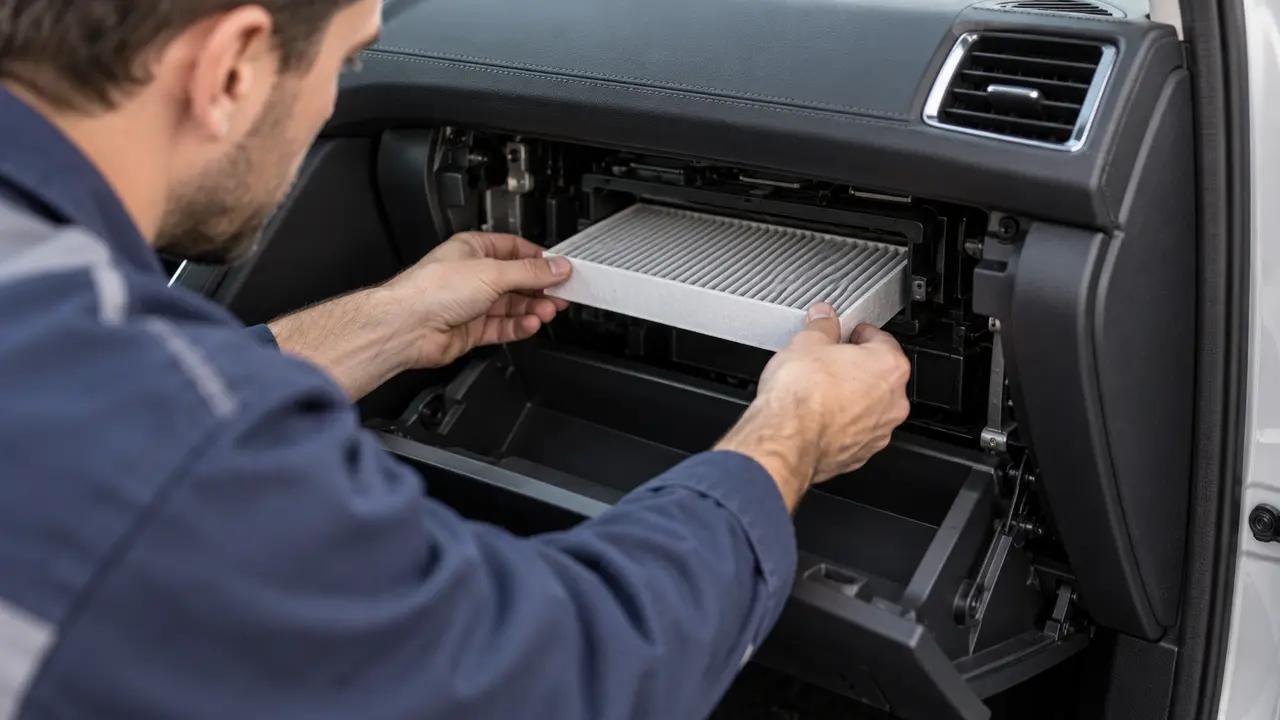
A cabin air filter helps trap dust and particles in air entering the passenger compartment through the ventilation system. It is different from the engine air filter. Its performance depends on filter design, fit, age and the surrounding air. A filter cannot remove every gas or pollutant, and a car cabin is not a sealed clean room. Still, using the correct filter and keeping it in good condition can improve airflow and reduce some unwanted particles. Ask for the filter specified for your exact car.
Signs it may be clogged
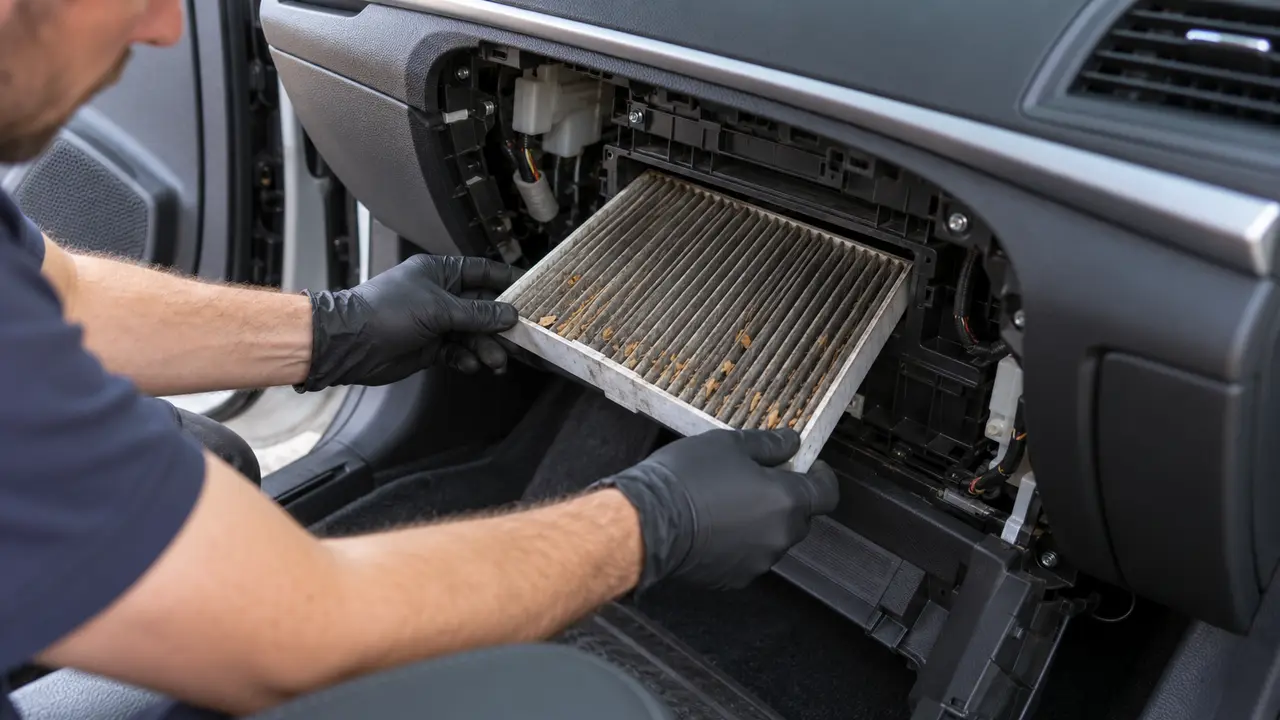
Reduced airflow at the same fan setting, an unusual odor or a dirty visible filter may suggest replacement is due. These signs can also come from a blower fault, wet ducts or a blocked intake. Do not diagnose from smell alone. Check the owner’s manual for the time or distance interval and any severe-dust guidance. If the car is used on dusty roads or in heavy traffic, inspection may be needed sooner. A simple filter check can be useful before paying for complex ventilation repairs.

Standard, carbon and premium filters
Basic particulate filters aim to capture dust and similar material. Activated carbon versions may reduce some odors and gases under certain conditions, but the effect depends on the product and how saturated it is. Other filters advertise high filtration efficiency or special coatings. Do not assume a premium label guarantees a health outcome. Ask for credible test standards, correct fit and airflow compatibility. A very restrictive filter can reduce ventilation performance if the system was not designed for it. Match the car before choosing marketing extras.
How to find the right part
Use the vehicle identification number, model year and maker parts catalog where possible. Similar cars can use different filter sizes or housings across regions. Check the filter’s dimensions, tabs and airflow direction. An incorrect fit can leave gaps that allow unfiltered air around the edge. If ordering online, verify the manufacturer’s part reference rather than relying on a broad compatibility list. Keep the receipt. A cheap filter that does not seal properly is not a bargain if it lets dust pass or rattles in the housing.
Replacement steps in simple terms
Many filters sit behind the glove box or near the base of the windscreen, but access differs. Follow the vehicle manual or a reliable service procedure for the exact model. Turn off the blower, protect trim and note the old filter’s orientation before removal. Do not force clips or disconnect electrical wiring without instructions. Clean loose leaves from the housing carefully and fit the new filter in the indicated direction. If access requires removing safety components or delicate trim, use a qualified technician.
Protect fragile trim
Follow the model-specific procedure and stop if a panel needs more force than expected. Damaged clips can create new rattles after a simple filter change.
Why airflow direction matters
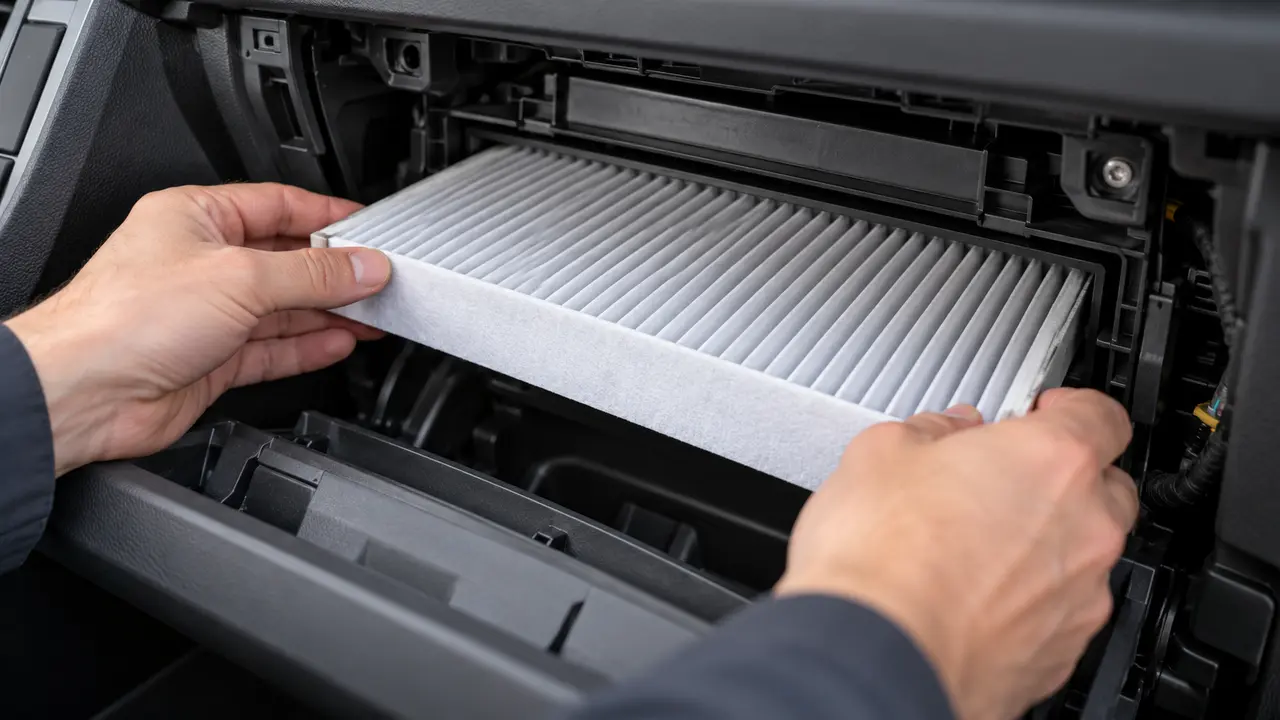
Some cabin filters show an arrow for airflow, while others use an installation direction mark. These instructions are not always the same, so read the actual label. A filter installed backward may not seat as intended. Check that the cover closes fully and that no seal is folded. After replacement, run the fan while parked and listen for unusual noise. A correct filter should allow normal airflow without rattling. If the blower still struggles, another part of the ventilation system may need diagnosis.
Odors are not always the filter
A musty smell can come from trapped moisture, a blocked drain or growth on the evaporator. Replacing the filter may help but will not fix a leaking heater core or water entering the cabin. If carpets are wet, locate the source and dry the interior. Avoid masking persistent odors with strong sprays. Some cleaning products are not suitable for ventilation plastics or sensitive occupants. Ask the workshop to identify the cause and use a manufacturer-approved cleaning process. A dry, clean system is more important than perfume.
Urban pollution and traffic
Driving beside heavy traffic can expose a cabin to exhaust and fine particles, especially when windows are open. A suitable filter helps with some particles, but not all pollution. In a tunnel or polluted queue, the recirculation setting may reduce outside air for a period, subject to the manual. Do not leave recirculation on so long that windows mist or the cabin becomes uncomfortable. The World Health Organization discusses health effects of air pollution globally. Car filters are one small part of exposure management.
Clear glass comes first
Do not reduce airflow so much that the windscreen mists. Good visibility matters more than an unverified filtration claim.

Families and allergy concerns
People with allergies may notice dust or pollen more, but filter replacement is not a treatment for asthma or other conditions. Follow medical advice for health problems. For general comfort, keep the cabin clean, vacuum upholstery and close windows when local pollen or smoke is high. A filter marketed as anti-allergen should provide credible evidence for its claims. Do not use an air freshener as a substitute for clean airflow. If a child or passenger reacts strongly to odors, avoid heavily scented cleaning products.
When the fan is still weak
A new filter will not fix a broken blower motor, stuck ventilation flap or blocked intake. If air volume stays low after correct replacement, check that the cover is seated and then seek a technician. Notice whether all fan speeds work and whether airflow changes between vents. This information helps diagnosis. Do not keep fitting denser filters in the hope that they will make air cleaner while ignoring poor ventilation. Safety depends on being able to clear windscreen mist when needed.
A practical maintenance example
A driver notices a weak air flow and dusty smell after months of travel on unpaved roads. They check the scheduled interval, find the correct filter and inspect the old one. It contains leaves and heavy dust. A new, properly fitted filter improves airflow, while the driver also cleans the cabin and checks the intake. If an odor remains, they plan an AC drain inspection rather than replacing filters every few weeks. The process distinguishes routine upkeep from a deeper fault.
Build an easy service routine
At scheduled maintenance, note the cabin filter inspection or change date and the part used. Check the manual for the recommended interval and adjust only when real conditions justify it. Clear leaves from exterior intakes without damaging trim. Keep the cabin reasonably dry and report water leaks promptly. At resale, service records show how ventilation was cared for, but they do not prove perfect air quality. A practical routine is better than expensive filters fitted at random intervals.
Frequently asked questions
How often should I replace a cabin filter?
Use the vehicle manual and inspect sooner in heavy dust. No single interval fits every car and climate.
Are carbon filters always better?
They may reduce some odors, but fit, design and airflow matter. They do not remove all pollution.
Will a cabin filter cure allergies?
No. It may reduce certain particles in cabin air but is not a medical treatment.
Bottom line: Choose the right fit and replace when the schedule or condition calls for it.