Car Safety Ratings in 2026: How to Read Crash Tests and Driver Assistance Scores
Car Safety Ratings in 2026: How to Read Crash Tests and Driver Assistance Scores
A five-star safety badge looks simple. Yet it can hide a lot of detail. Which version of the car was tested? Was the safety pack standard? Did the tests include how the car helps avoid a crash, or only how it protects people once a crash happens?
In 2026, several major vehicle testing groups put more weight on real-world risks and driver assistance. That is useful news for buyers, but it also makes old and new scores hard to compare. This guide explains what to check before you choose a car for your family or daily travel.
Why a star rating needs context
Independent crash tests are among the best public tools for comparing car safety. But a rating is a result under a particular test program, at a particular time, for a defined vehicle version. It is not a promise that no one will be injured.
One five-star car may have earned its score under an older protocol. Another may have been assessed using tests that cover new crash situations, more demanding pedestrian protection or tougher driver assistance checks. Both may show five stars, but the test requirements can differ.
Start at the official test page. Check the assessment year, vehicle body style, engine or powertrain, equipment version and any notes about the tested model. If the exact model sold in your country has different safety equipment, ask the manufacturer what applies.
Ratings also differ by region
Euro NCAP, the Insurance Institute for Highway Safety and ANCAP run established test programs, but they do not all use the same scoring system. A result from one program should not be treated as a direct numerical match for another.
Global carmakers may sell a familiar model name with different airbags, sensors, structure or standard equipment in different markets. A safety result is strongest when it clearly applies to the car you can buy.
What changed in Euro NCAP’s 2026 tests?
Euro NCAP updated its approach around four stages: Safe Driving, Crash Avoidance, Crash Protection and Post-Crash Safety. Its official 2026 announcement describes how the new tests aim to reflect modern hazards and the ways drivers use technology.
These four stages give buyers a practical way to think. A car should help a driver stay alert, work to prevent a crash, protect people if one occurs, and support rescue afterward. No single technology replaces the others.
Safe Driving: help without distraction
Cars may warn about speed limits, lane departure and driver attention. A useful system needs to be clear and predictable, not simply loud. A warning that appears at the wrong time can distract or frustrate the driver.
Euro NCAP now examines reliability and user acceptance more closely. Its on-road evaluation guidance explains why some systems, such as speed assistance, need testing on actual roads where signs and conditions vary.
During your own test drive, notice whether alerts make sense and whether the system behaves calmly on familiar roads. Never deliberately create a dangerous situation to test a feature.

Crash Avoidance: can the car help prevent impact?
Automatic emergency braking may help reduce speed or avoid some collisions. Testing can include other vehicles, pedestrians and cyclists. Results depend on speed, lighting, road conditions and sensor capability. A system that performs well in one test does not work perfectly in every situation.
Check the specific results for vulnerable road users, not only a summary score. If your daily route has narrow streets, busy crossings or many cyclists, those details matter.
Crash Protection: what happens during impact?
Crash protection covers the vehicle structure, restraints and occupant injury measures. Front, side and other impacts can stress a car in different ways. Adult and child protection results may not be identical. Look beyond the headline badge to read the notes on body regions, rear seats and child restraints.
A strong cabin is important, but correct seat belt use and suitable child seats remain essential. No crash test can cancel the effect of unsafe seating or driving.
Post-Crash Safety: support after a collision
This area looks at how a car may help after a crash, including information or design features relevant to rescue. For EVs, safe isolation of high-voltage systems can matter to emergency crews. ANCAP says its 2026 assessment work also considers high-voltage energy management for alternative-powered vehicles.
Read ANCAP’s testing explanation for the region’s current approach. As a buyer, look for practical emergency information in the manual and avoid assuming a highly rated vehicle will always allow easy rescue after every crash.

How IIHS safety awards work in 2026
The US-based IIHS offers detailed crashworthiness and crash-avoidance ratings, along with Top Safety Pick and Top Safety Pick+ awards. These are different from Euro NCAP’s stars. A buyer should check the IIHS page for the exact vehicle, model year and eligibility notes.
For its 2026 awards, IIHS describes stronger crash-avoidance requirements. For Top Safety Pick+, it includes good pedestrian front crash prevention and acceptable or good performance in an updated vehicle-to-vehicle front crash prevention evaluation, alongside crashworthiness and headlight criteria.
Some ratings apply only to cars built after a certain month because manufacturers changed equipment or structure during production. That detail can matter when you compare two cars with the same model year. Check the build date shown on the vehicle and the IIHS page.
What to check on an IIHS result page
Read the small overlap front, moderate overlap front and side impact results. Review pedestrian and vehicle-to-vehicle crash prevention separately. Then check headlights and any award limitation. The overall award is useful for narrowing choices; the individual scores tell you more about the protection that matters to you.
A vehicle may have optional safety systems that are not standard on the trim you can afford. Ask for a written equipment list instead of relying on a salesperson’s broad description of an award.
What does ANCAP’s 2026 update mean?
ANCAP assesses vehicles in Australia and New Zealand. Its 2026–2028 framework also uses the four stages of safety. ANCAP’s explanation of the changes shows how the program aims to encourage better safety before, during and after a crash.
If you buy a model sold in that region, check the ANCAP rating and the variants covered. Do not assume an ANCAP rating automatically applies to a car imported from a different market. Even cars that look alike can differ underneath.
It is sensible to compare local assessments where available. If there is no independent rating for your exact market version, read the maker’s technical documents, local safety rules and credible reviews, while recognizing the limits of that evidence.

A car buyer’s safety-check routine
Begin by listing the models that fit your needs and budget. Find each official test result, then confirm that the tested variant matches what the dealer sells. Compare the test year and protocol before treating two star results as equivalent.
Next, review the four main safety questions: does the car help the driver stay attentive, can it reduce common crash risks, how does it protect occupants, and what happens after impact? Look for weaknesses that relate to your own journeys.
Use this compact checklist
- Find the exact model, build date and test year on the official rating page.
- Confirm which airbags, driver assistance and child-seat features are standard.
- Read occupant, pedestrian, cyclist and crash-avoidance detail, not only the overall award.
- Test normal system alerts during a safe drive, with full attention on the road.
- Compare local variants and warranty or repair support before buying.
This takes more time than looking at a star graphic. But it can stop you from buying a trim that lacks the safety equipment you expected.
How to test driver assistance without taking risks
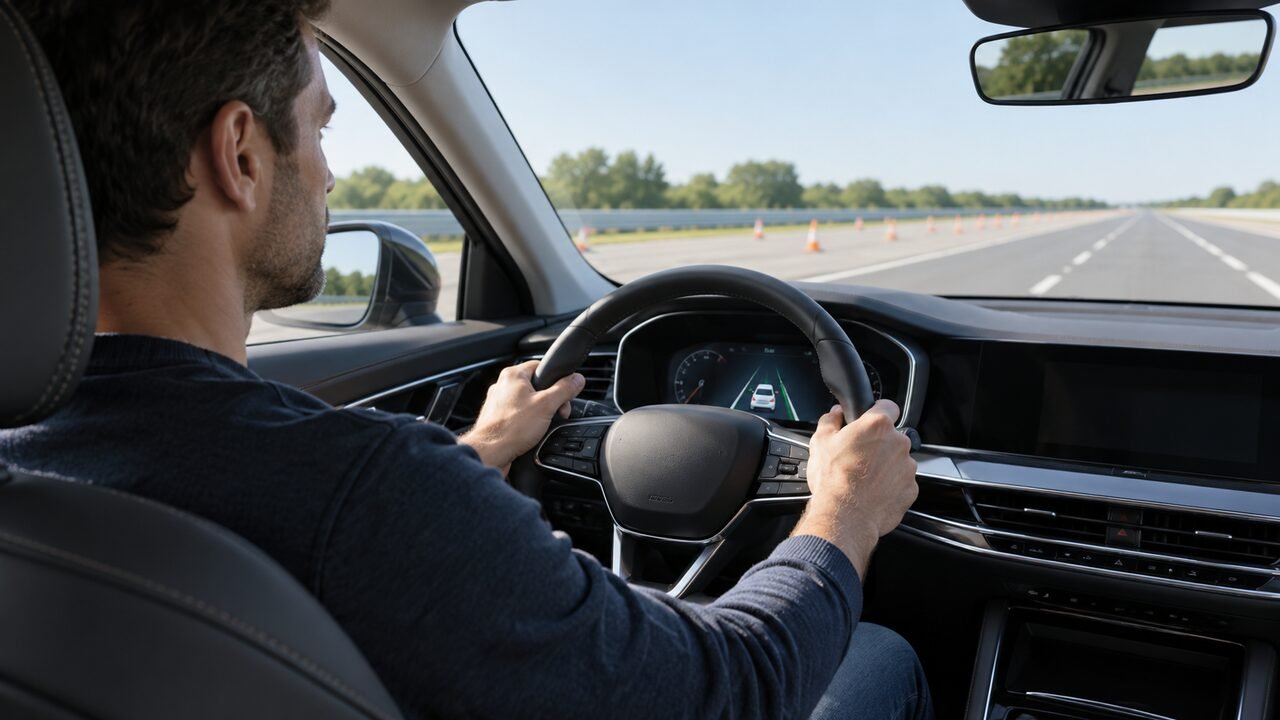
Ask the dealer to explain each system before driving. Adjust the seat and mirrors, then learn where alerts appear. During a normal drive, notice lane warnings, speed sign recognition, blind-spot alerts and any driver monitoring prompts where fitted.
Never release the steering wheel or aim the vehicle toward another road user to check braking. Features are aids, not permission to stop paying attention. If an alert behaves oddly, ask how it works and whether the system has a known limitation.
Euro NCAP has urged buyers to take extended test drives with assistance systems active. Its published guidance on driver-assistance improvements emphasizes user experience alongside function.
Family safety requires more than front-seat scores
If children or older passengers use the back seat, check rear occupant protection and seat belt fit. Confirm that the child seat you own fits the actual vehicle. Where a child-seat installation uses ISOFIX or LATCH anchors, follow both the car and seat makers’ instructions.
Look for head restraints, easy belt access and doors that open smoothly. A strong crash score does not solve poor child-seat installation or an adult who skips the belt for a short journey.
People who share a car should know how to adjust safety settings without disabling vital features. A household with several drivers can benefit from a short familiarization drive for each person.

Common rating mistakes to avoid
First, do not treat every five-star result as current. A newer rating may use tougher tests. Second, do not assume all trims have the tested safety equipment. Third, avoid combining scores from different test programs into one imaginary ranking.
Another mistake is to assume that more warnings always mean safer driving. Reliability and clarity matter. Also remember that ratings do not measure every possible road, speed, crash angle or driver action.
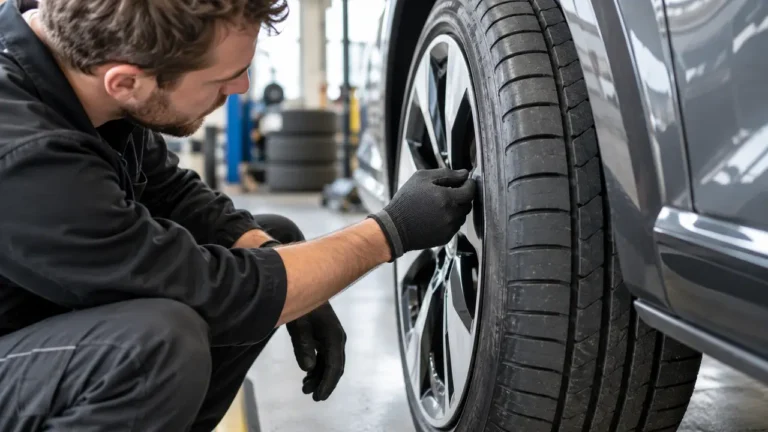
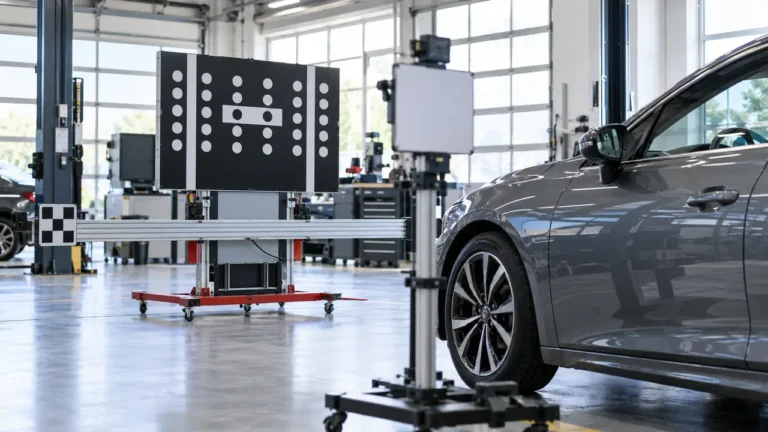
Finally, never overlook basic care. Worn tires, poor alignment, damaged sensors and an unrepaired windscreen can affect control or assistance functions. Follow the maker’s calibration advice after relevant repairs.
Frequently asked questions
Is a 2026 five-star car always safer than a 2020 five-star car?
Not necessarily in every crash, but the test rules can differ. Compare the assessment year, individual results and equipment rather than using stars alone.
Is automatic emergency braking the same as self-driving?
No. Emergency braking is a limited assistance feature. It does not make the driver free from watching the road or controlling the car.
Can safety ratings change after a car is sold?
Programs can update protocols, and a model may be retested or receive a new assessment. Check the official listing for the exact car and date rather than relying on an old advertisement.
Which safety rating should a global buyer trust?
Use established independent testing bodies and the result that applies to your market version. Euro NCAP, IIHS and ANCAP offer useful evidence, but their scores are not identical.
The bottom line
Car safety ratings are most useful when you look beyond the badge. Confirm the model and equipment, read the test year, compare crash protection with crash avoidance, and drive the car to understand its alerts. A careful check can help you choose protection that matches your real journeys.