Car Brake Maintenance in 2026: Pads, Discs, Fluid and Regenerative Braking
Brakes need attention even when the car stops well
Good brakes often work quietly, which makes them easy to forget. Pads, discs, hydraulic fluid, hoses, calipers, and electronic controls all help stop the car. Some parts wear with use, while others age even when the car is parked. A driver may notice a squeal or vibration, but a fault can develop before any clear sound appears. The safest routine is to follow the vehicle’s maintenance schedule and ask for inspection when the pedal or stopping feel changes.
Electric and hybrid cars can use regenerative braking to slow the vehicle and recover energy. That can reduce use of friction brakes in some conditions. It does not remove the need for pads, discs, hydraulic fluid, and mechanical braking. Emergency stops, low speeds, battery conditions, and system limits may call on friction brakes. The exact blend varies by model. Treat every car’s braking system as safety-critical.
Know what the main parts do
Brake pads press against discs or rotors to create friction. Calipers hold the pads and move them as needed. Hydraulic fluid carries pressure through the system. Some vehicles use rear drums or more complex brake-by-wire designs. Electronic systems such as ABS help manage wheel lock during braking, while stability control can brake individual wheels. A fault in one part may affect the feel or safety of the whole system.
Do not choose replacement parts only by price or appearance. The car maker specifies the correct materials, dimensions, fluid, and service method. The Bosch regenerative braking overview explains how electrical and friction braking work together. It is useful background, but the repair instructions for your exact car still come from the manufacturer.
Why brake fluid matters
Brake fluid must work under heat and pressure. Some common fluid types can absorb moisture over time, which may affect performance and promote corrosion. The service interval and specification depend on the vehicle. Do not top up with a bottle simply because it says DOT 4 or another familiar grade. The wrong fluid can damage components. The Brembo brake fluid guidance advises consulting the vehicle manual for the correct product and schedule.
Listen to symptoms without diagnosing by sound alone
A high-pitched squeal can come from a wear indicator, dirt, moisture, or other causes. Grinding, a pulsing pedal, pulling, a soft pedal, or a longer stopping distance needs prompt inspection. A vibration during braking may involve discs, tyres, suspension, or other parts. Do not order new rotors based only on a sound described online. A qualified technician should inspect the braking system and measure wear against the maker’s limits.
If the brake warning appears, the pedal feels unsafe, or stopping power is reduced, stop in a safe place and seek help. Do not continue a long trip to avoid a tow. A brake fault can become dangerous without warning. The parking brake or low fluid level may explain some alerts, but a driver should not assume the simplest cause when the car behaves abnormally.
Inspect pads and discs at service
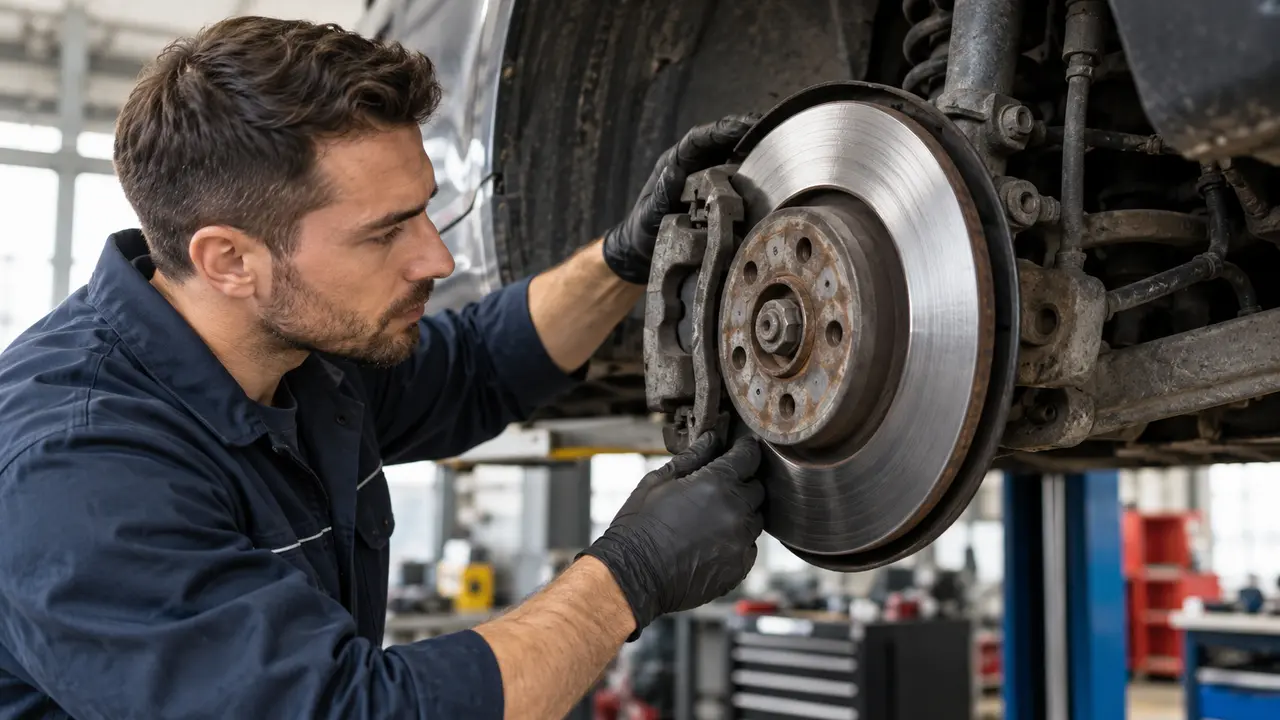
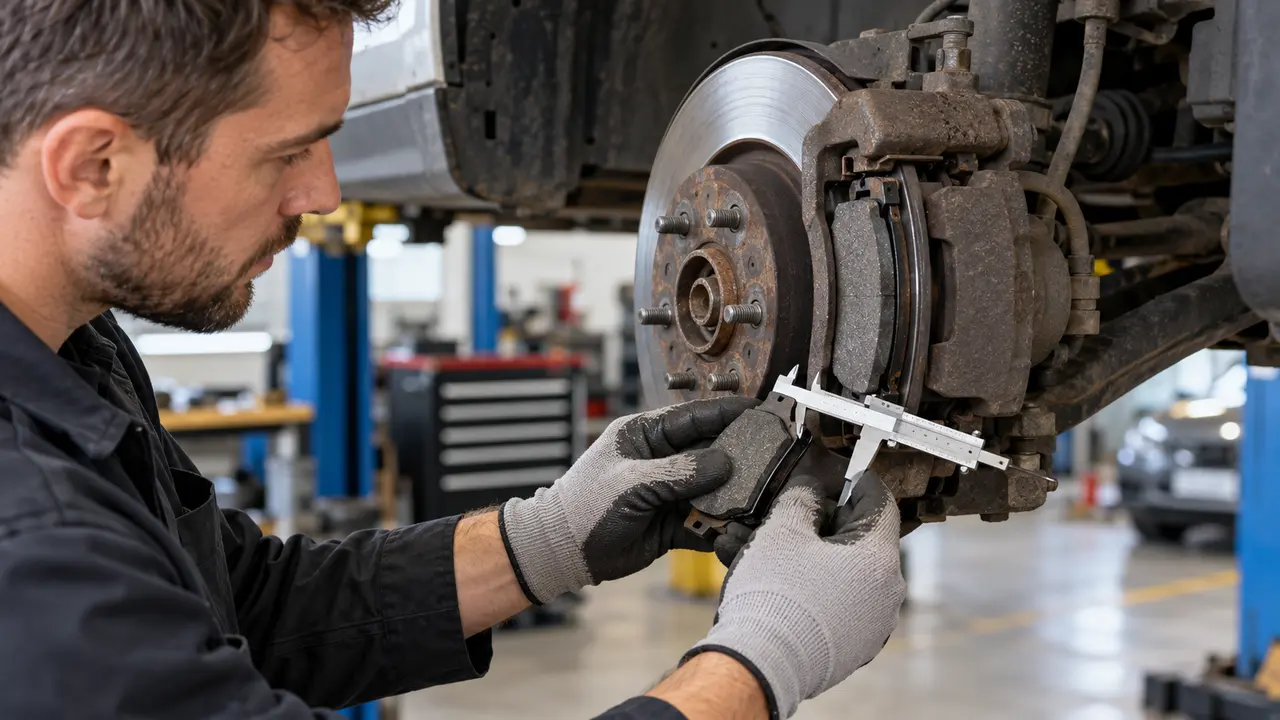
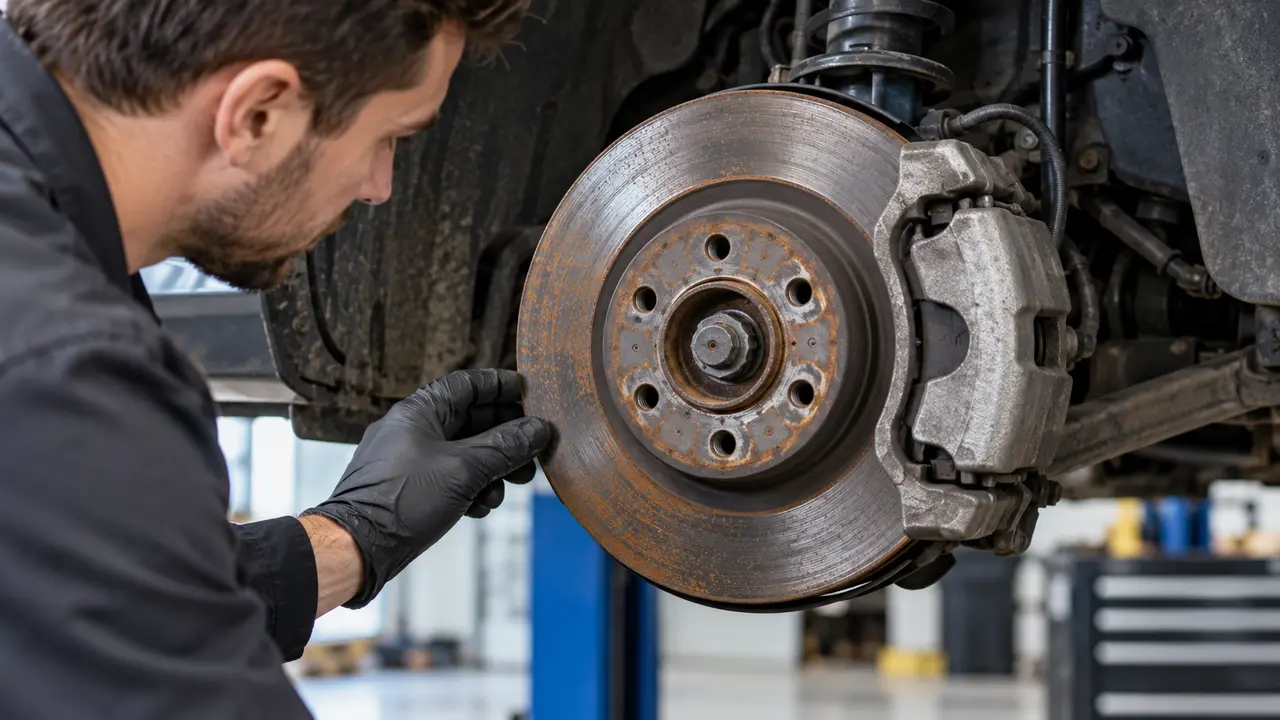
A technician should look at pad thickness, disc condition and thickness, caliper movement, hoses, leaks, and uneven wear. Some pads have sensors. Others need visual inspection. The minimum usable thickness is model-specific. A disc with surface rust after standing may clean during normal use, but deep corrosion, grooves, or uneven contact need a professional decision. Do not sand or machine a safety part without the correct procedure and limits.
A car that brakes straight and quietly can still have a seized caliper or uneven pad wear. The issue may show up as a hotter wheel, poor fuel or energy economy, or one pad wearing faster than its pair. Tell the workshop about any smell, unusual heat, or pulling. Avoid touching a hot wheel or brake assembly. Heat can cause injury even after a short drive.
Regeneration does not make friction brakes optional
A driver who often slows with regeneration may use the friction brakes less during ordinary travel. That can reduce some pad wear, but the system still needs regular checks. Discs may develop corrosion or uneven surface condition in some climates when they are used lightly. Follow the maker’s brake cleaning or service guidance if provided. Do not attempt aggressive braking manoeuvres on public roads to clean discs.
The car may change the amount of regenerative braking when its battery is full, cold, hot, or unable to accept more energy. The brake pedal and automatic systems should manage this according to design, but drivers must understand the vehicle’s behaviour. Do not rely on one-pedal driving to stop every situation. Keep a safe following distance and be ready to use the brake pedal.
An EV owner example
Imagine an EV driven mainly in slow city traffic with strong regeneration. After a wet winter, the owner notices rough braking at low speed. The garage checks discs, pads, calipers, and control faults instead of assuming the traction battery is to blame. It finds corrosion and sticking hardware, then follows the maker’s service process. The lesson is simple: fewer friction-brake stops do not mean no brake maintenance.
Use the right service interval
A generic instruction to replace pads every fixed distance is unreliable. Wear changes with vehicle mass, terrain, traffic, driving style, and brake design. Some vehicles travel far on one set, while others need work sooner. Brake fluid may have an age-based interval even when mileage is low. Follow the manual and service reminders, then use inspection findings to decide when parts need replacement.
Ask whether the quoted service includes inspection, parts, fluid replacement where due, cleaning and lubrication of approved points, and any electronic parking-brake service mode. Modern cars may need diagnostic equipment to retract calipers safely. DIY work without correct tools can damage components or create an unsafe repair. A good shop will explain the procedure and provide an itemised invoice.
Understand brake-fluid replacement
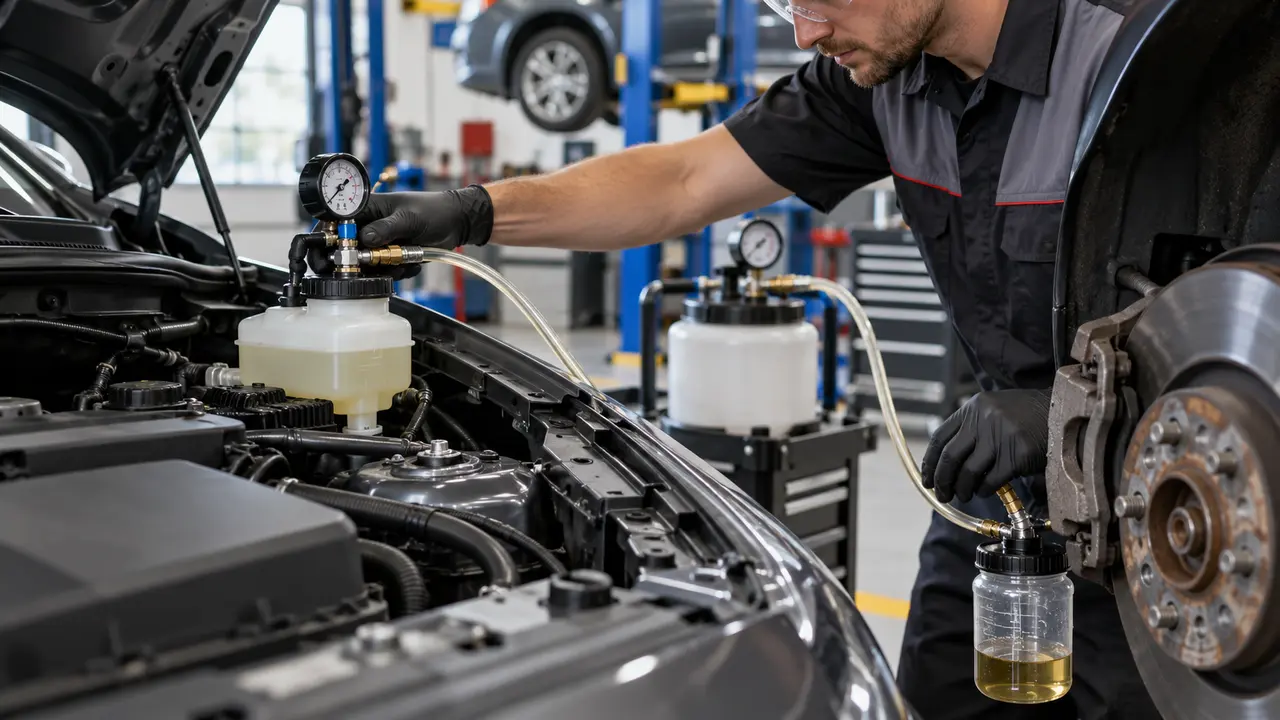
A proper fluid service follows the vehicle maker’s method, including the correct fluid specification, bleeding sequence, and any electronic system steps. Some ABS or brake-by-wire units have special procedures. Mixing incompatible fluids or leaving air in the system can impair braking. The SAE brake-fluid maintenance recommended practice stresses correct handling and vehicle-specific procedures. Leave the work to trained personnel.
A low reservoir level is not always a cue to top up. It may change as pads wear or indicate a leak. If the brake warning is on or the level drops unexpectedly, get a diagnosis. Do not keep adding fluid to hide the symptom. Fluid can damage paint and may be hazardous, so use proper handling and disposal.
Brake service questions
- What is the measured pad and disc condition on each wheel?
- Is the fluid due by the maker’s time or mileage schedule?
- Are any calipers, hoses or seals leaking or sticking?
- Does this model need a diagnostic brake service mode?
- What parts and labour are included in the estimate?
Choose a repair shop carefully
Use a qualified workshop with access to correct specifications, tools, and parts. Ask for the reason a component is being replaced and whether the other side of the axle also needs service. Brake parts are often replaced in matched pairs on an axle, but the exact job depends on the vehicle. Be cautious of a quote that promises a full brake repair without inspection. Safety work should be based on measurements and documented findings.
After repair, the technician should verify fluid leaks, pedal feel, warning lights, and road performance under safe conditions. Some new pads and discs need a bedding-in process specified by the maker. Follow those instructions without attempting hard braking in traffic. Keep the invoice and any warranty information. If a symptom remains, return promptly rather than accepting that all new brakes must feel strange.

Brake safety on long journeys
Before mountain travel, towing, or carrying a heavy load, check the manufacturer’s capacity and braking guidance. Long descents can heat brakes. Use the correct gear or vehicle mode where appropriate instead of riding the pedal continuously. On an EV, regeneration may help but can be limited by battery condition. Follow signs and safe driving practices in the region. If brakes fade or smell strongly, stop safely and seek advice.
Heavy rain or deep water can also affect brake performance. Drive cautiously and follow the vehicle manual after water exposure. Do not assume a car that crossed a flood without stopping has undamaged brakes or electrical systems. If the vehicle was submerged, have it inspected by qualified professionals before use.
An inspection habit that protects you
Ask for brake inspection at routine service and sooner if you notice noise, vibration, pulling, warning lights, or a change in pedal feel. Keep fluid replacement records. A small fault found early can prevent more damage, but the main reason to act is safety. Do not use a fixed pad-life claim or a regenerative braking feature as an excuse to skip maintenance.
Good braking comes from the whole system working together. Pads, discs, fluid, controls, and tyres all play a role. Use the vehicle maker’s schedule, get clear measurements, and choose safe repairs. That is the practical way to care for brakes in 2026, whether the car runs on petrol, diesel, hybrid power, or electricity.
What to record after the service
Write down the service date, mileage, fluid specification, pad and disc measurements where supplied, and the workshop’s findings. If a part was only inspected rather than replaced, note that distinction. Keep warning light and diagnostic reports. Those records help the next technician and a future buyer understand the car’s condition.
For a broader car maintenance routine, see our battery, wiper and light checks. The key is not doing every repair yourself. It is noticing symptoms and getting the right work done before the braking system becomes unsafe.