Engine Oil Change Intervals in 2026: How to Choose the Right Schedule
How often should you change engine oil? Old rules of thumb can be wrong for modern cars. The correct answer depends on your engine, oil specification and how you drive. This guide explains time and distance limits, oil-life monitors and safe checks in plain English. Always use the manufacturer’s instructions for your specific model, whatever country you drive in.
As AAA advises, oil change timing depends on the car, oil type and driving conditions. The manufacturer’s schedule remains the starting point.
Start with the owner’s manual
There is no single correct oil change interval for every car. It depends on engine design, oil specification, operating conditions and the manufacturer’s schedule. Begin with the manual for the exact vehicle, engine and model year. Some cars use a fixed distance or time, while others have an oil-life monitor. Do not apply a generic internet number to a modern engine without checking the maker’s instructions. If the car is under warranty, keep service evidence that matches the required schedule and approved oil grade.
Distance and time both matter
A car driven very little may still need an oil change because oil ages and moisture can accumulate. Some schedules say to service after a set number of months even when mileage is low. A high-mileage car that covers long steady trips may have different conditions from one making repeated short journeys. Check which limit comes first on your schedule. Record the date and odometer reading after each service. This simple habit helps prevent missed work and provides useful evidence when selling the car.

What severe use can mean
Many manufacturers define special or severe service conditions. These may include repeated short trips, extended idling, towing, dusty roads, very high heat or cold. Do not assume severe means only hard off-road driving. A delivery car that stops all day may qualify under the maker’s definition. If your driving matches these conditions, review the shorter or different maintenance schedule where provided. A trusted workshop can help interpret the manual, but should be able to point to the relevant section rather than guessing.
Oil viscosity is not a guess
Oil labels such as 0W-20 or 5W-30 describe viscosity grades, but the correct product may also need a manufacturer approval or industry performance specification. Two oils with the same viscosity are not always interchangeable. Read the manual and the container label carefully. Climate alone does not justify choosing a thicker oil contrary to instructions. If the recommended oil is unavailable, check the manufacturer’s approved alternatives. Do not mix products at random to use up old bottles.
Read the full bottle label
Match both viscosity and any required manufacturer approval. Ask a trained technician if the vehicle manual lists more than one acceptable oil.
What an oil-life monitor does
Some vehicles estimate when service is due using driving conditions and engine data. The display is useful, but it is not a laboratory test of oil quality. Follow the maker’s rules for resetting it after real service. Do not reset the warning just to remove a message. A monitor may also have time limits even when it shows high remaining oil life. Learn whether your car displays percentage, distance or a service date and what each means in the manual.
Check the oil level safely
If your car has a dipstick, park on level ground and follow the manual for engine temperature and waiting time before checking. Wipe and reinsert the dipstick as directed. A reading below the minimum needs attention; do not blindly pour in a large amount. Add only the correct specification in small steps, then recheck. Overfilling can cause problems too. Some vehicles use an electronic level reading and have no dipstick. Follow that procedure instead. Never reach near hot or moving engine parts.
Know when a warning is urgent
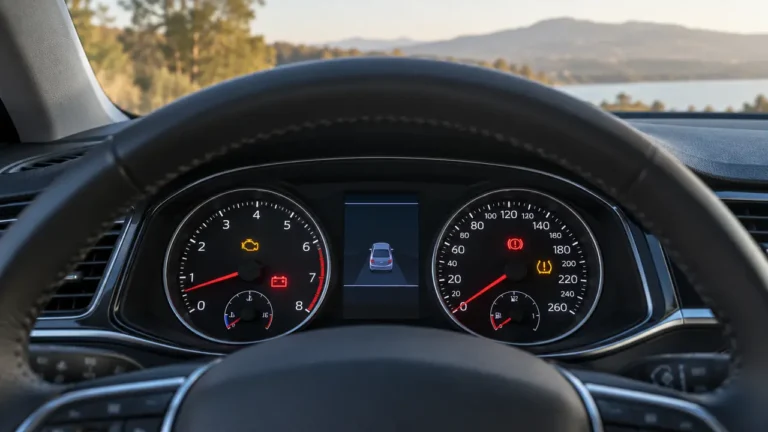
An oil pressure warning is different from an ordinary service reminder. If the manual says to stop immediately, pull over safely, switch off the engine and seek help. Driving with inadequate oil pressure can cause severe damage. A low oil level warning also deserves prompt investigation. Do not assume topping up cures a leak or persistent consumption issue. If a warning returns, have it diagnosed. The priority is to protect the engine and avoid a roadside hazard, not to reach the next service date.
Do not ignore red warnings
Pull over safely when the manual requires an immediate stop. A serious oil pressure fault needs diagnosis before continued driving.
Use a suitable oil filter
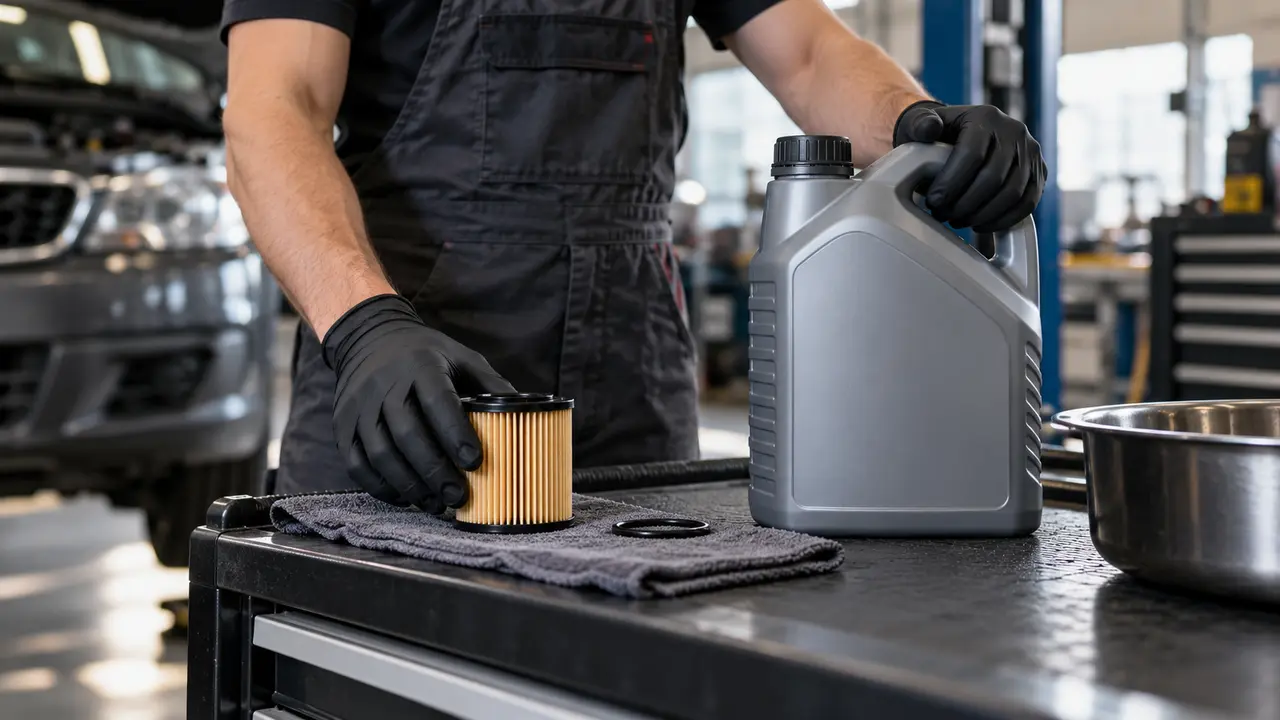
An oil change normally includes a suitable filter when the manufacturer requires it. The filter must match the engine’s specification and be fitted correctly. A poor seal or incorrect part can cause leaks. Ask the workshop which brand and part number it used, and request the old filter or a service receipt if that helps your records. Avoid judging the work solely by price. Proper oil, filter, torque and disposal matter more than a rushed low-cost service.

When to change more often
If you tow heavy loads, idle frequently or make many cold short trips, check whether your maker requires shorter intervals. If a car has an unexplained oil loss, smoke or contamination, do not solve the issue by simply changing oil more often. Get the fault diagnosed. Extra oil changes without a clear reason cost money and create waste. The aim is timely service based on conditions, not a rigid rule that ignores both the manufacturer and your driving.
A realistic commuting example
A driver covers little distance but makes four short cold trips every day. Another travels a long motorway route each week. Both might have similar total mileage after a year, yet the engines face different use. The first checks whether the severe-duty schedule applies and the time limit on oil changes. The second follows the normal schedule if the manual permits it. Neither relies on a generic mileage figure. This small difference in approach can prevent both missed service and unnecessary work.
Keep records and receipts
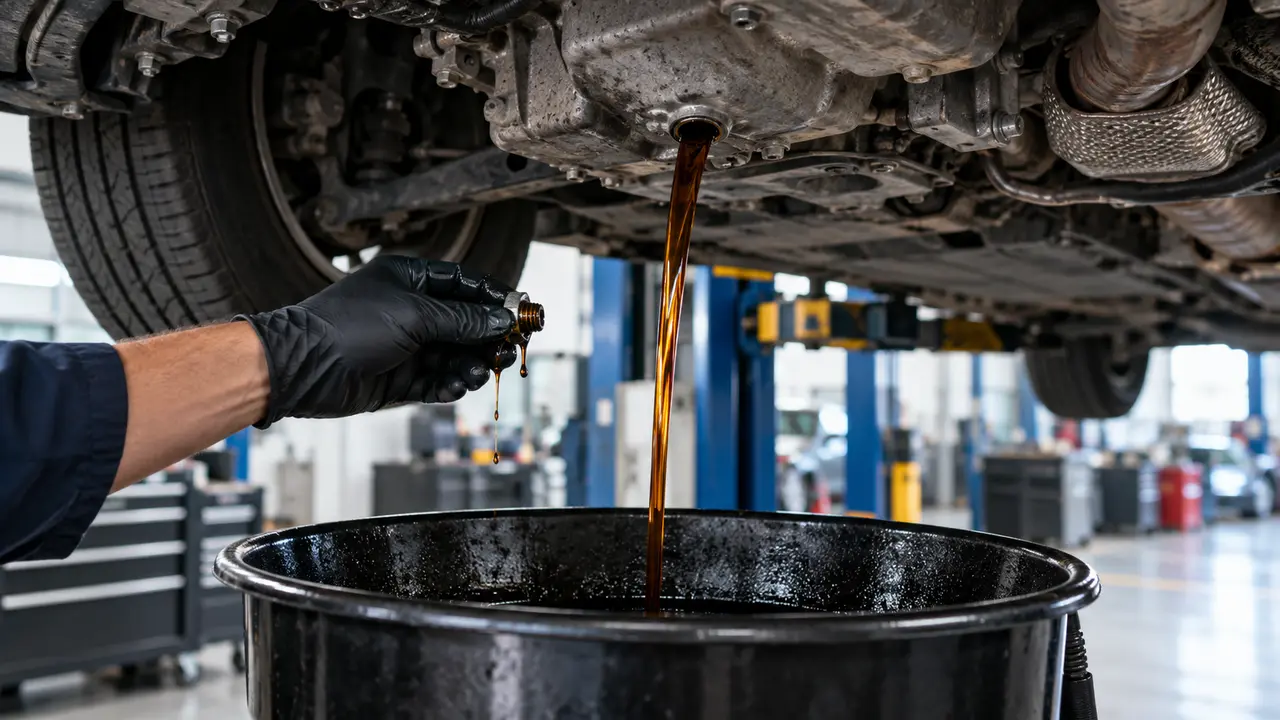
Record the date, odometer, exact oil grade and approval, quantity and filter part number. Save the invoice and any related inspection notes. For a used car, this record can help a future buyer or service provider understand how the engine was cared for. Keep photographs of warning messages if something unusual occurs. If you service the car yourself, use a safe procedure and dispose of used oil through an authorized collection point. Do not pour it onto the ground or into drains.
Plan the next service
Set a reminder before the earlier of the time or distance limit. Check related maintenance in the manual: air filters, coolant, belts, brakes and tyres may be due at different times. Ask the workshop to note any leaks or worn parts, but request separate estimates before authorizing extra work. Review the final invoice for correct oil specification and quantity. A good maintenance plan is specific to your car and use, simple to track and based on instructions you can verify.
Frequently asked questions
Can I wait until the oil looks dark?
No. Color alone is not a reliable service schedule. Follow the manual and warning system.
Does synthetic oil mean I can skip changes?
No. Approved synthetic oil may suit longer maker-specified intervals, but it still needs service.
Is an oil pressure light just a reminder?
No. Follow the urgent stop advice in the vehicle manual and seek help if pressure is low.
Takeaway: Use the exact oil specification and the earlier service limit that applies to your driving.