Car Dashboard Warning Lights in 2026: What to Check and When to Stop
A warning light is a message, not a diagnosis
A dashboard warning can be as simple as an open door or as serious as low oil pressure. The symbol tells you which system needs attention, but it does not always tell you the failed part. Colours and shapes differ across brands. Red often means stop or act urgently, amber often means a fault needs checking, and green or blue often show a system in use. Those are broad patterns, not rules that override your vehicle manual.
The safest first step is to identify the symbol in the owner’s handbook or official digital guide. Read any message shown beside it. Think about how the car feels: loss of power, unusual heat, smoke, poor braking, or a change in steering may make the situation urgent. Never keep driving just because an internet forum says a particular light is harmless. A warning combined with abnormal behaviour needs professional attention.
Know when to stop safely
Low engine oil pressure, overheating, a severe brake warning, or a charging-system failure can lead to damage or unsafe driving. If the manual directs you to stop, find a safe place and follow the instructions. Do not pull over in a dangerous spot if you can reach a safer stopping area without increasing risk. Use hazard lights where appropriate and call roadside help. Do not open a hot coolant cap or touch damaged electrical components.
The AA dashboard warning guide explains common symbols and why some require an immediate stop. It is a helpful reference, but symbols and urgency vary by vehicle. If the car’s brake pedal feels wrong, steering assistance has failed, or you see smoke, prioritise safety rather than a quick web search.
What to note before calling for help
Record the exact symbol, dashboard message, time, driving conditions, and any new sound or smell. A photo taken while safely parked can help the workshop. Do not take photos while driving. If several lights appear at once, note the order if you know it. A weak battery or electrical fault can sometimes cause many unrelated warnings, but do not assume that is the explanation without testing.

Check engine light: steady or flashing matters
A steady check engine light can indicate many engine or emissions-system faults. The car may still drive, but diagnosis is needed. A flashing light can signal a more urgent problem such as a misfire that may damage an exhaust catalyst on some vehicles. Follow the exact manual guidance and reduce risk by stopping safely when instructed. Do not erase the light with a code reader and pretend the underlying fault is gone.
A diagnostic trouble code is a clue, not an automatic parts order. A code pointing to an oxygen sensor circuit can involve wiring, leaks, fuel control, or other causes. A qualified technician checks data and tests the system before replacing parts. Ask for the code, the evidence supporting the diagnosis, and the repair estimate. That is more useful than buying the first part named in a search result.
Battery and charging-system warnings
A battery symbol on a combustion car often relates to the charging system, not simply the battery’s age. An alternator, belt, wiring, or control fault may be involved. The car can eventually stop if the electrical system loses power. On an EV, low-voltage or high-voltage warnings have model-specific meanings. Do not touch orange high-voltage cables or open battery covers. Follow the vehicle’s safety instructions.
If the car struggles to start or several electronics reset, a low-voltage battery test may help. Our battery and basic maintenance guide</a covers safe checks. A battery replacement should use the correct specification and any required coding. A warning that returns after a new battery may point to another problem.
Brake, ABS and stability-control lights
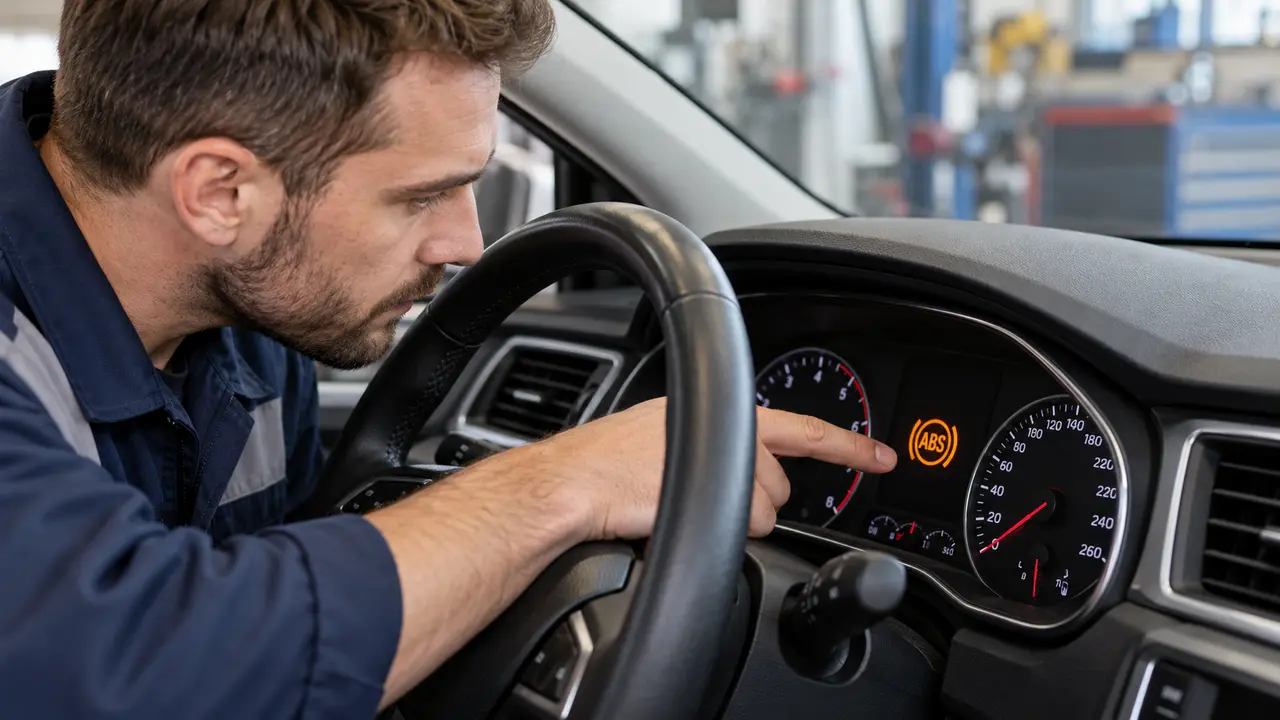
A red brake warning can relate to the parking brake, fluid level, or a serious brake-system issue. Check the manual and stop if directed, especially when pedal feel is abnormal. An amber ABS light may indicate that anti-lock assistance is unavailable, even if basic braking still works. Do not assume all brake systems remain fully functional. Seek inspection and drive only as the manufacturer advises.
Stability-control warnings can appear when traction control is actively working on a slippery road, or remain on when a fault exists. A flashing indicator during wheel slip can be normal on some models. A steady warning after restarting may need service. Check whether any system was switched off by a driver setting. Never disable safety systems to hide a fault.
A brake warning example
A driver sees an ABS light after hitting a pothole. The brakes feel normal, but the manual says the system needs service. The driver avoids a long high-speed journey and books a diagnostic inspection. A technician checks wheel-speed sensors, wiring, and other components before naming a part. This prevents guessing and respects the risk of reduced braking assistance.
Tyre pressure warnings
A low tyre pressure light may mean a leak, a temperature change, or a sensor issue. Check all tyres with a gauge when it is safe and preferably cold. Compare with the vehicle’s placard, not the sidewall maximum. If a tyre is visibly flat or damaged, do not keep driving. The National Highway Traffic Safety Administration</a recommends regular manual pressure checks even with monitoring systems.
Some cars require TPMS recalibration after inflation or wheel changes. Resetting without checking pressure hides the problem. If one tyre loses air repeatedly, a technician should inspect the tyre, valve, and wheel. Our tyre pressure and TPMS guide</a explains the full routine.

Oil, coolant and temperature messages
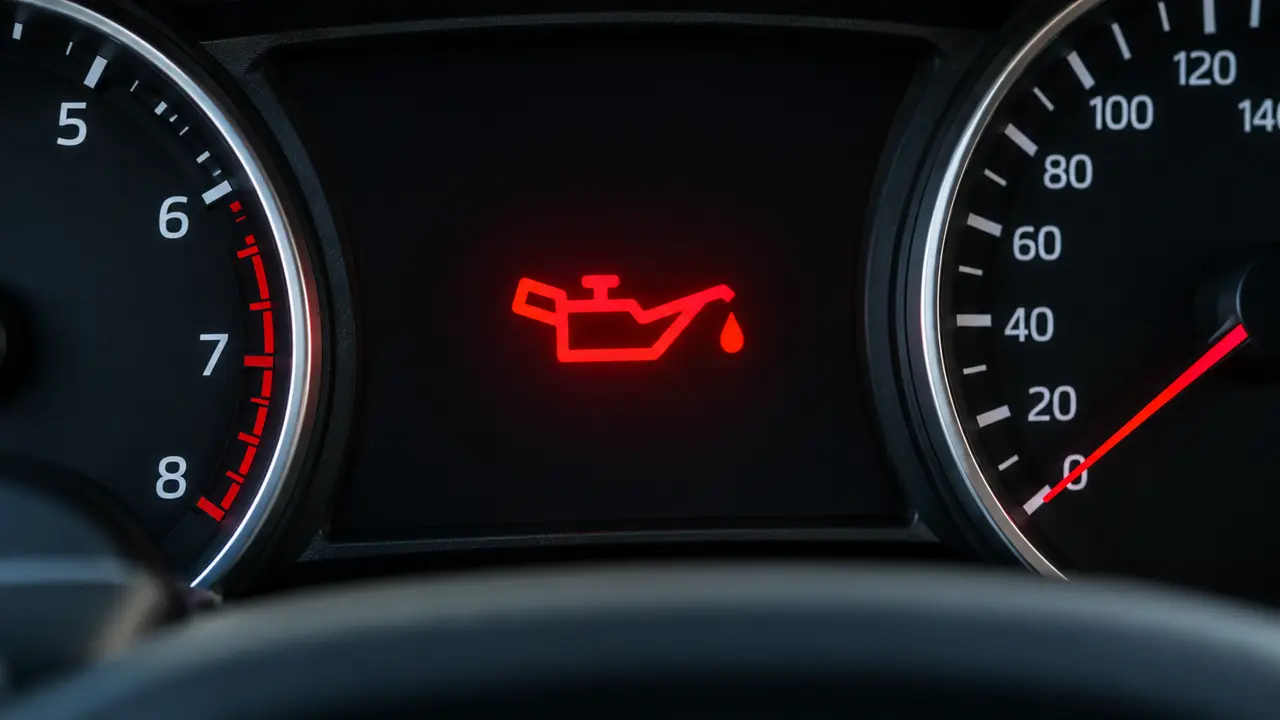
Low oil pressure is different from a routine oil service reminder. A pressure warning can indicate that the engine is not being lubricated properly. Continuing to run it may cause severe damage. Follow the manual’s stop instructions. A temperature warning may mean overheating or cooling-system trouble. Let the vehicle cool safely and do not remove a hot coolant cap. A service reminder, by contrast, may simply mean scheduled maintenance is due.
A low coolant level can come from a leak. Topping up without diagnosis may hide a serious issue. Different cars require different coolant specifications, and EVs can have multiple cooling loops. Do not mix products based on colour alone. Ask a professional when the correct fluid or procedure is unclear. Safety comes before getting the car moving quickly.
Airbag and seatbelt warnings
An airbag or supplemental restraint warning may mean part of the crash protection system is not operating as intended. It can involve sensors, wiring, control modules, or seat components. Do not unplug connectors under a seat or work on airbag hardware yourself. A qualified technician needs to follow the manufacturer’s safety procedure. The absence of an audible fault does not make the warning harmless.
Seatbelt reminders may also reflect an occupied seat or object placed on it. Check that people are buckled correctly and bags are secured. If a warning stays on with normal use, have it inspected. Never bypass a sensor to silence a light. Restraint systems matter most in a crash, when there may be no time to correct a hidden fault.
Use a scan tool carefully
A simple OBD scanner can read some trouble codes, but coverage varies by vehicle and module. It may not access airbag, ABS, hybrid, or manufacturer-specific systems. Clearing a code is not a repair. It can also erase data that would help a technician. If the car drives poorly or a safety light is on, seek professional diagnosis instead of repeated resets. Ask the shop to explain root cause, test results, and the final verification.
A safe three-step response
- Identify the symbol and read the vehicle’s own message.
- Check for unsafe behaviour and stop when directed.
- Record the details and arrange the right level of help.
When a warning disappears
A light that turns off after restart is not proof that the problem is fixed. Some faults are intermittent or depend on temperature, speed, or voltage. Note when it happened and ask for inspection if it concerns safety or returns. A technician may find stored codes even when the dashboard looks normal. Do not ignore a repeated warning because the car passed one short test drive.
At the same time, not every illuminated symbol is a breakdown. Some indicate cruise control, lights, drive modes, or active traction systems. Learning the normal indicators from the manual makes genuine faults easier to spot. Keep the manual accessible, especially if several family members drive the same car.
Avoid a small warning becoming a large repair
A calm response can prevent damage. Read the message, stop safely when required, and get evidence-based diagnosis. Do not replace expensive parts based on one code or a stranger’s guess. Keep repair records and ask the workshop to confirm the warning is resolved after work. Safety systems deserve more care than a quick dashboard reset.
Dashboard lights are useful because they tell you when the car needs attention. They are not a complete diagnosis and do not replace regular maintenance. Learn the symbols you are most likely to see, respect urgent alerts, and ask a qualified person when the cause is unclear. That is the best way to drive with confidence without ignoring risk.
Prepare a small roadside plan
Save the official roadside assistance number, insurance contact, and the vehicle manual in a place you can use without mobile data. Know where the warning triangle or other required equipment is stored under local law. If a warning forces you to stop, move occupants to a safe place and follow local road-safety advice. Never stand in live traffic to inspect the engine or take a photo.
This plan is useful for any powertrain. A petrol car, hybrid, or EV can develop a fault far from home. The best response is not to know every mechanical detail. It is to recognise danger, avoid making the fault worse, and reach trained help.