Wheel Alignment vs Balancing in 2026: How to Diagnose Tyre Wear and Vibration
Wheel alignment and wheel balancing sound similar, but they are different services. Choosing the wrong one can waste money and leave a real problem unsolved. This guide explains the symptoms, the measurements and the questions to ask a workshop. It is written for drivers worldwide and avoids assuming one tyre or car design fits all.
Know the main difference
Wheel alignment measures and adjusts the direction and tilt of wheels in relation to the vehicle. Wheel balancing corrects uneven weight in a rotating wheel and tyre assembly. The jobs use different equipment and solve different problems. A car that pulls sideways may need an alignment or tyre diagnosis, while vibration at certain speeds may call for balancing or a wheel inspection. Neither service fixes every steering issue. A useful workshop should explain the observed symptom before selling a package.
How alignment works
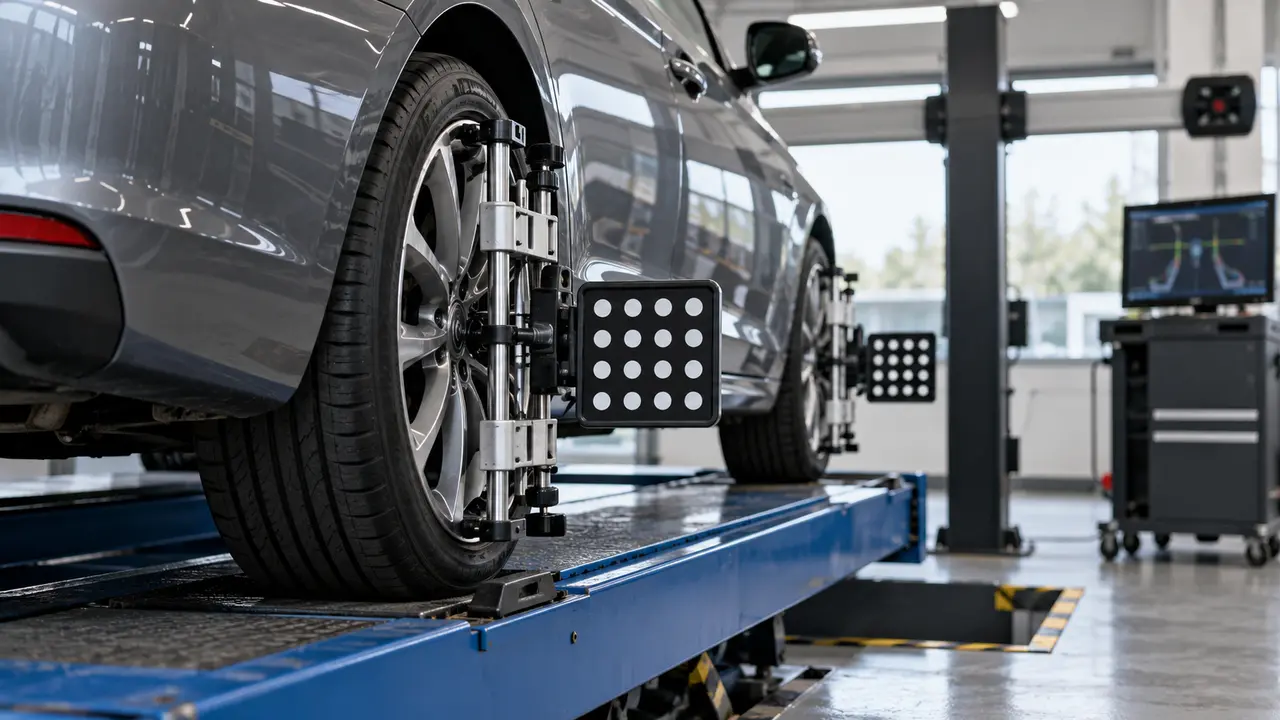
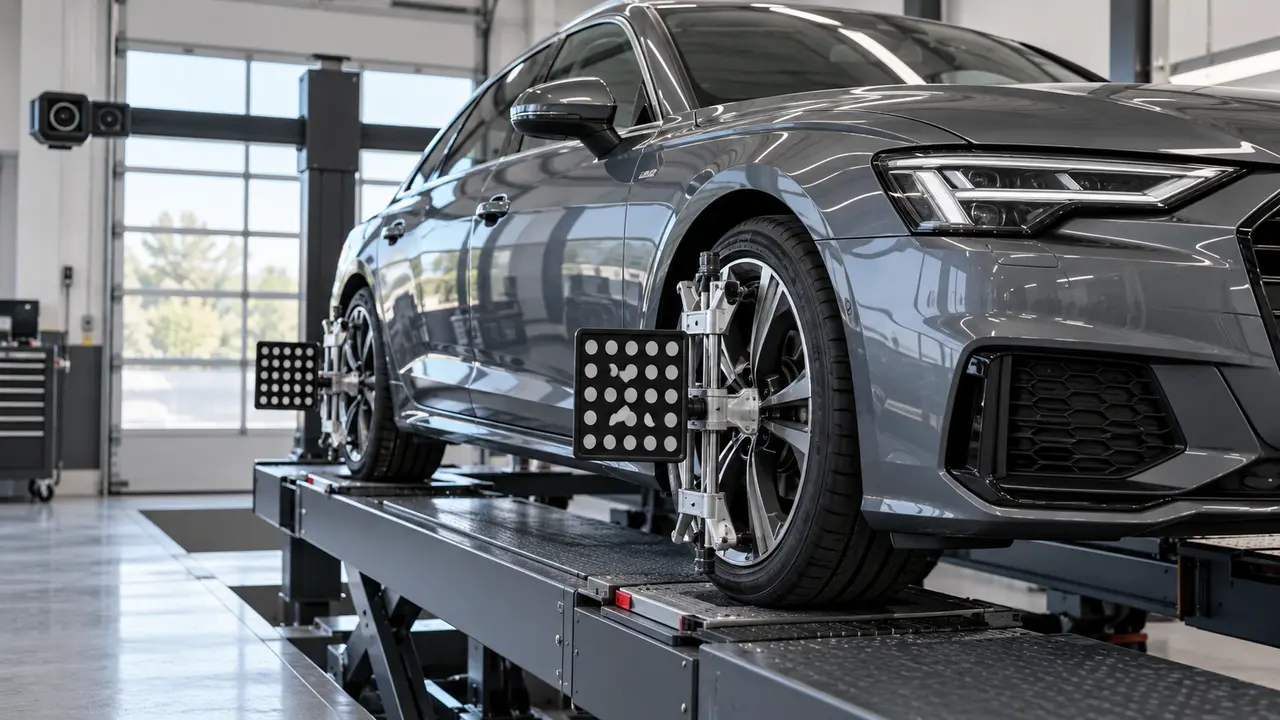
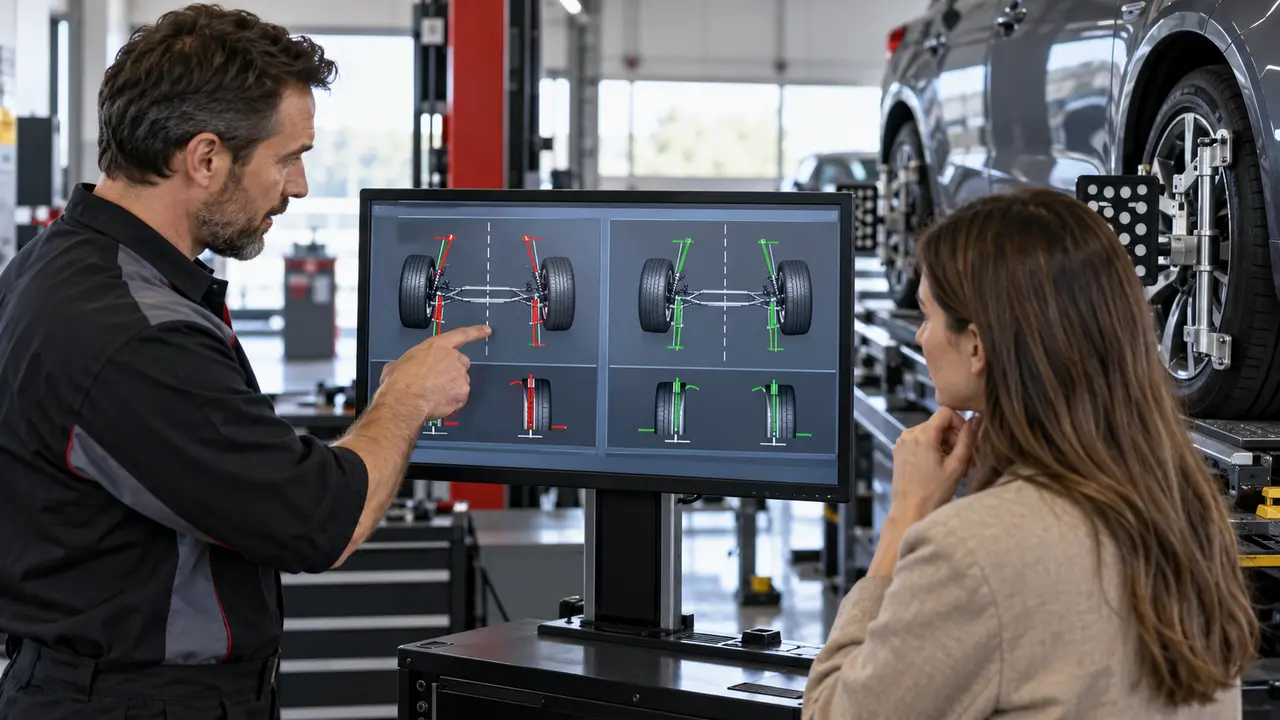
A technician uses measuring equipment to compare wheel angles with the vehicle maker’s specifications. Toe, camber and caster can affect tracking and tyre wear, although not every angle can be adjusted on every car. A bent arm or worn bushing may prevent proper adjustment. Request the before-and-after results and ask which measurements were outside limits. If the shop says a wheel cannot be aligned, it should explain whether the cause is damage, worn parts or a fixed factory setting. A machine reading is more useful than guesswork.
Read the before-and-after sheet
Ask which measured angles changed and whether the final values meet the model specification. Do not rely only on a general statement that alignment is fine.
How balancing works
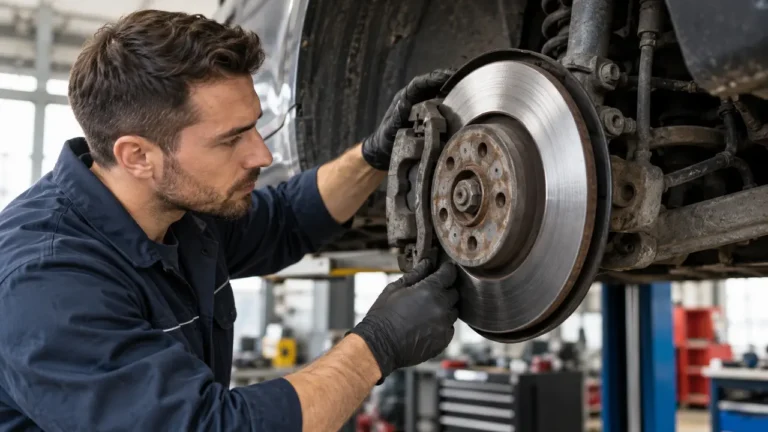
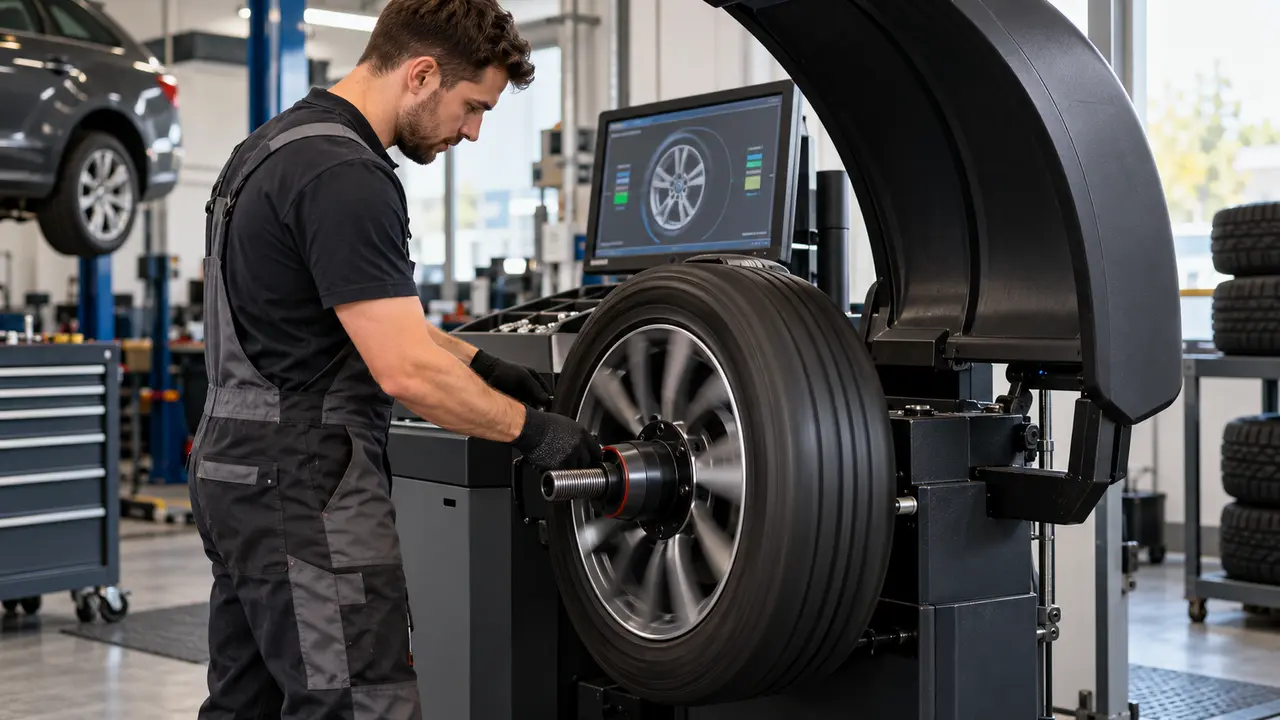
A wheel balancing machine identifies uneven weight around a tyre and wheel. Small correction weights can help the assembly rotate smoothly. Balancing does not change suspension geometry. A wheel that is bent or a tyre that has a defect may continue to vibrate even after weights are installed. A skilled fitter should check condition and mounting, not simply add more weights repeatedly. Ask whether the wheel was inspected for visible damage and whether the tyre is seated correctly. Safety is more important than a perfectly quiet ride.
Vibration has more than one cause
If the steering wheel shakes at a particular road speed, a tyre or front wheel imbalance is possible. If vibration comes through the seat, other wheel assemblies or drivetrain parts may be involved. Engine mounts, wheel bearings and brakes can also create sensations that drivers describe as vibration. Do not drive at unsafe speed to reproduce a fault. Note when it begins and whether braking changes it. A clear description helps a technician choose tests instead of automatically selling alignment and balancing together.
Uneven tread is a clue
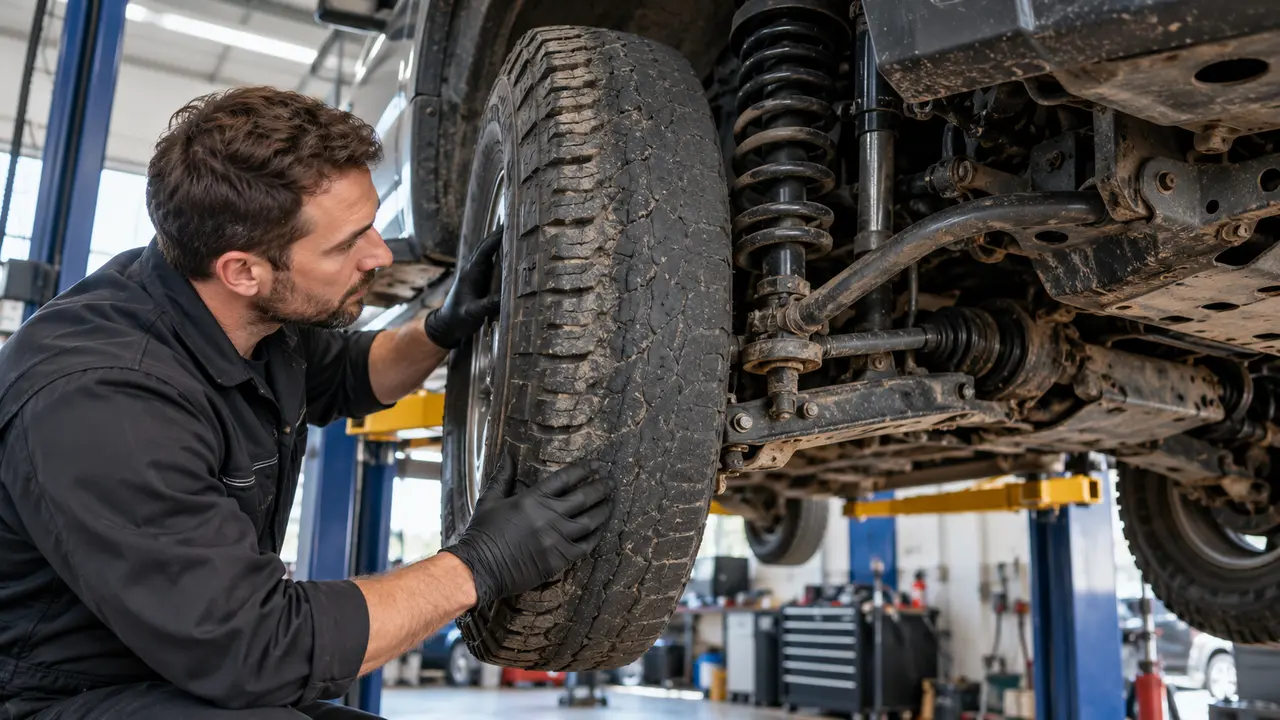
A tyre worn heavily on one edge may point to wheel alignment, suspension wear or pressure problems. Michelin explains that patchy and uneven tyre wear can reflect geometry and worn suspension parts. Check the manufacturer’s cold pressure recommendation and inspect tyres for cuts or bulges. A damaged tyre needs safe replacement, not just alignment. Ask the workshop to identify the cause before fitting another expensive set. Otherwise the new tyres may wear the same way.
Look before adjusting
Damage, bulges and worn joints deserve attention before an alignment or balancing job. A machine cannot make an unsafe tyre safe.
When to check alignment
A strong pothole or curb impact, steering repair, uneven tyre wear or persistent pulling may justify an alignment check. Not every new tyre requires automatic adjustment if the car tracks correctly and wear is even. Some shops recommend periodic inspection based on road conditions and mileage. Ask for a measurement and the reason for any work. If the steering wheel is no longer centered after an impact, mention it. Alignment can improve handling and tyre life when the rest of the suspension is sound.
When to balance wheels
Tyre fitting normally includes balancing, and correction may be needed after a repair or loss of a wheel weight. If vibration begins soon after a tyre change, return to the fitter for inspection. Uneven wear or a wheel impact can also change the balance. The shop should check whether the rim is bent and the tyre is round and properly seated. Balance cannot repair a punctured or structurally damaged tyre. Do not ignore new high-speed vibration simply because the car is still drivable.
Check steering and suspension
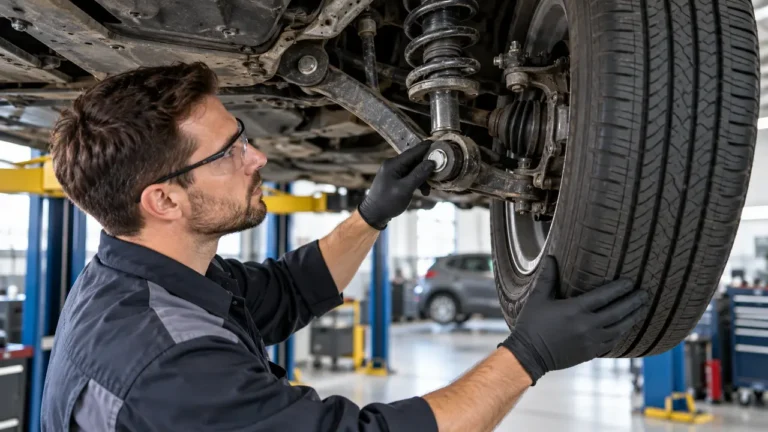
Loose joints, worn bushings and damaged dampers can allow unwanted wheel movement. These problems can cause noise, tracking changes or irregular tyre wear. A technician should inspect them before making a final alignment adjustment. If a component is bent, replacing it may be necessary before angles can remain correct. Do not keep paying for repeat alignments without an explanation of why readings drift. A repair estimate should list any mechanical parts separately from machine adjustment and tyre work.
Compare workshop prices
Ask whether an alignment quote covers front or all-wheel measurement and which adjustments are included. For balancing, ask how many wheels, which weights and whether wheel removal is part of the price. Local labour and vehicle design affect cost, so global price figures are rarely useful. Some modern cars may need additional steering or driver-assistance calibration after certain repairs, but not after every tyre job. The workshop should explain any extra procedure for the exact model and provide an itemized quote.
Two practical examples
Driver A feels a vibration at normal motorway speed after fitting new tyres. The workshop finds a wheel imbalance and corrects it. Driver B sees heavy wear on the inside of a front tyre and notices the car pulling on level roads. That vehicle needs tyre, steering and suspension inspection followed by alignment if appropriate. These cases may sound similar when described as a wheel problem, yet the repairs differ. Good diagnosis saves cost and avoids replacing parts that were not faulty.
What a report should show
A useful alignment report lists the measured angles before and after work and identifies anything still outside the maker’s specification. For balancing, the fitter should confirm each assembly was checked and note any damage or persistent runout. Keep the invoice and compare handling after the repair. If vibration remains, ask for another diagnosis instead of assuming the first service failed. Some tyres can have internal defects that simple balancing does not fix. Evidence makes the next step easier.
Ask about tyre replacement first
If a tyre has a serious cut, bulge or exposed cords, replacing it is more urgent than trying to tune the wheel assembly. A shop should inspect any suspect tyre and wheel before running alignment equipment. If one tyre is much more worn than the other, ask whether it is safe to use until the repair. Do not rely on a machine report to clear a tyre safety concern. The right service order can prevent wasted labour and protect the driver.
Drive safely afterward
Test the vehicle on a normal legal route, not by speeding to see whether vibration returns. Watch for pulling, steering wheel misalignment or unusual noises. Keep tyres at their correct pressure and inspect tread periodically. If a wheel was removed, follow any wheel-fastener recheck advice supplied by the manufacturer or fitter. If steering becomes unstable, stop using the car and ask for urgent assessment. Alignment and balancing help when needed, but they cannot replace basic tyre safety and maintenance.
Frequently asked questions
Will balancing fix a car that pulls?
Usually not. Pulling may involve tyre pressure, alignment, brakes or suspension.
Does alignment stop steering vibration?
Not always. Wheel condition and balance may be more relevant, so ask for diagnosis.
Should both jobs be done together?
Only when both are needed. Ask the workshop to explain the reason and show measurements.
Takeaway: Inspect tyres and worn parts first, then pay for the specific service that solves the confirmed fault.