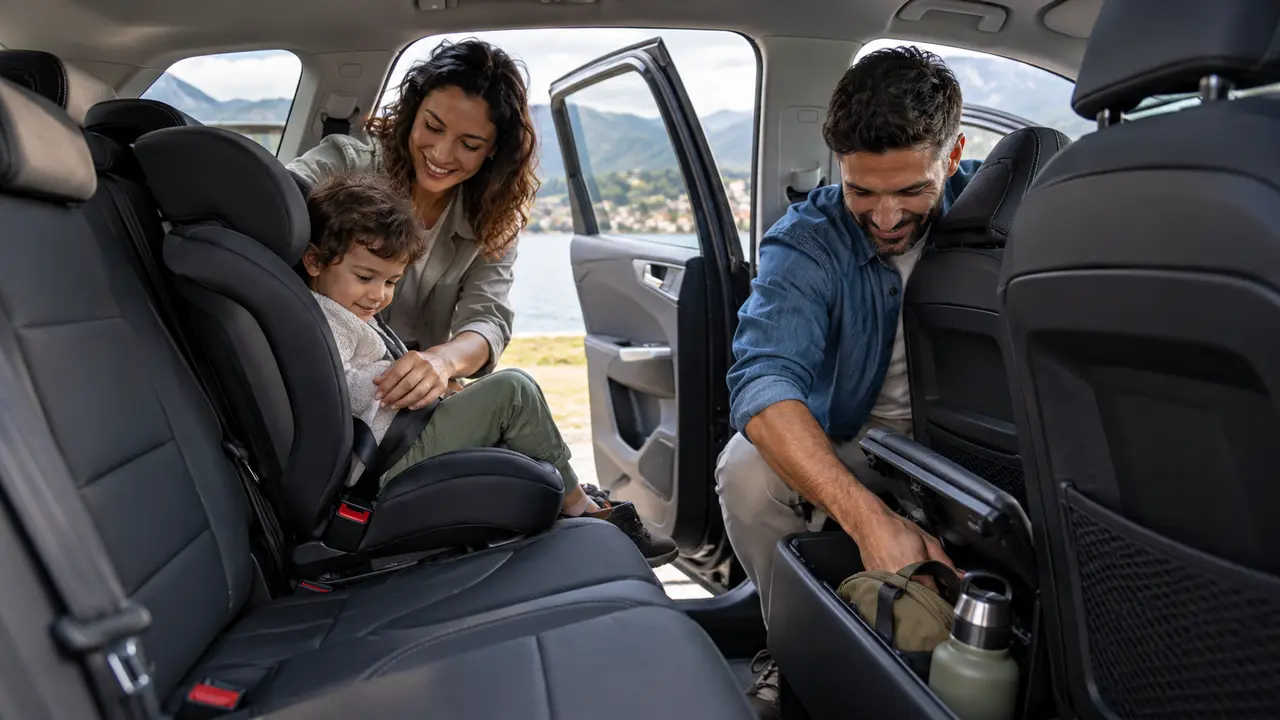
How to Choose a Family Car in 2026: Safety, Space, Costs and Daily Use
Start with the life the car must fit
A family car is not always the largest vehicle in a showroom. The best choice is the one that carries your people and their things safely, fits your parking space, and stays affordable to run. A wide rear seat can matter more than a large screen. A low boot lip can save more effort than a long list of drive modes. Before you compare models, write down your real week: school runs, shopping, commuting, older relatives, pets, and the trips you take a few times a year.
Do not let one rare holiday determine every part of the purchase. A roof box or rental car may solve an occasional space problem at less cost than owning a much larger vehicle all year. At the same time, do not ignore a need you face every day. If you install two child seats each morning, access and fit deserve serious attention. Your test should reflect repeated tasks, not a five-minute drive around a dealer.
Define the non-negotiables
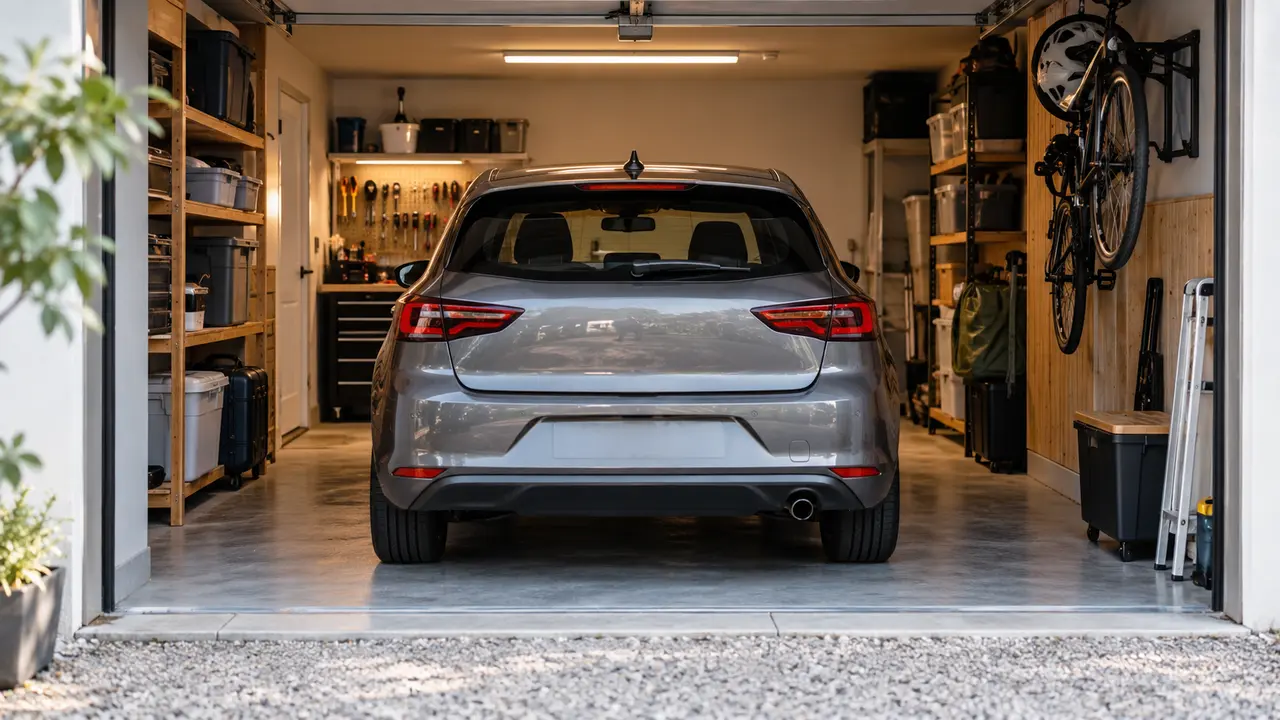
Count how many adults and children usually travel together. Measure the parking bay, garage opening, and tightest turn into your home. Note whether you need a stroller, wheelchair, sports gear, or travel bags. Set a purchase budget and a monthly ownership limit. This removes many unsuitable cars before you spend time reading reviews. Keep one optional wish list, but do not let comfort extras outweigh safety, fit, or repair costs.
Test the rear seat with real equipment
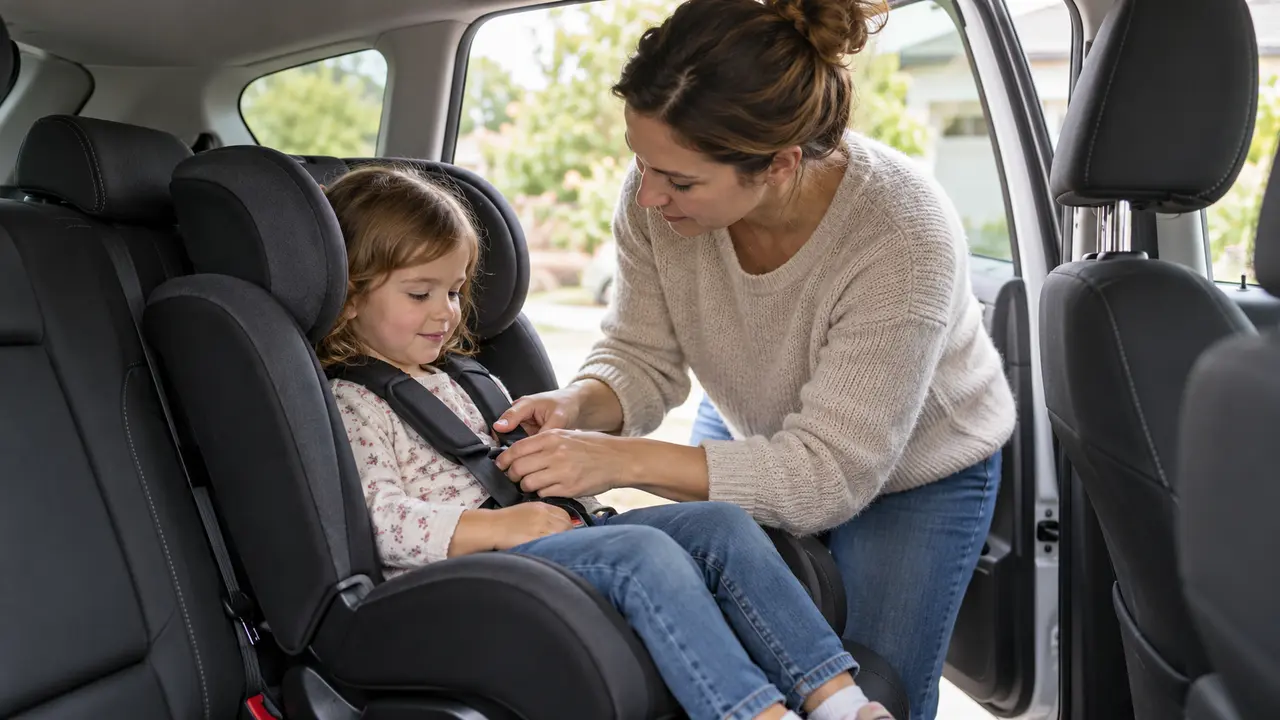
Rear legroom figures tell only part of the story. A seat may be wide on paper but have a high centre tunnel, awkward belt buckles, or door openings that make a child seat hard to fit. If the seller permits it, bring your own child restraint and test it according to the seat and vehicle manuals. Check the anchor points and whether the front passenger still has enough room. Never assume three restraints fit because a brochure says the car has five seats.
Safety rules and approved restraint systems vary by country. The National Highway Traffic Safety Administration provides US guidance, while local authorities and the child-seat maker should guide your installation in your region. Fit matters even with a well-rated car. A restraint used incorrectly may not offer the protection it was designed to provide.
Try a normal loading routine
Open both rear doors. Imagine fastening a child while rain falls or while another car is parked close beside you. Can you reach the buckles without twisting? Is the door opening tall enough? Can a shorter adult lift a sleeping child without hitting the roof edge? A car that feels spacious from the front seat can be awkward in daily use. These small tasks often reveal more than a brochure measurement.
Look at the boot shape, not just litres
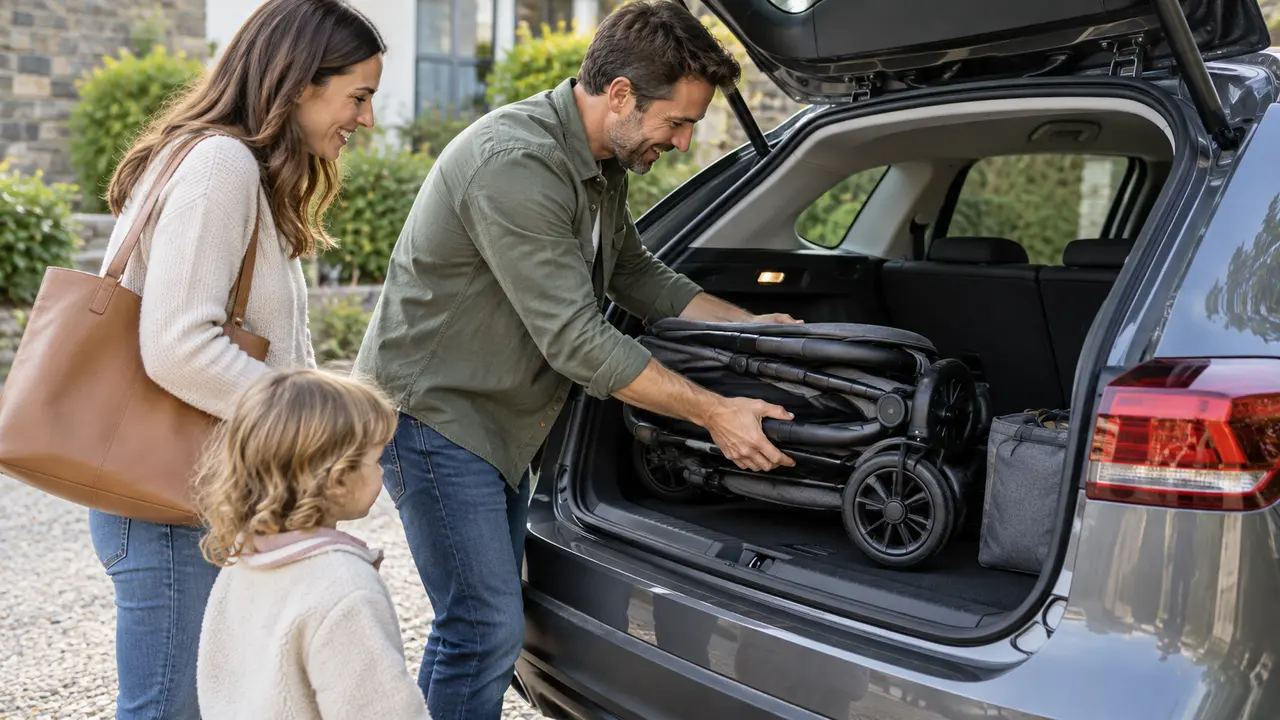
Boot volume is useful for a first comparison, but shape and access decide what actually fits. A deep boot with a small opening can be less convenient than a shallower one with a wide hatch. Take the stroller or largest regular bag to the showroom. Place it inside without taking wheels off if that is how you normally use it. Check whether a parcel shelf or charging cable bag takes up the space you counted on.
If you travel with a pet, consider secure restraint and airflow. Loose heavy items can become dangerous in a sudden stop. Use load hooks, barriers, or approved cargo systems where suitable. Check the maximum vehicle load and roof rating before packing a family holiday. Extra passengers, luggage, and accessories all count. A large boot does not mean unlimited payload.
Compare visibility and ease of driving
A taller seating position can help some drivers see ahead, but large pillars or a high bonnet may hide pedestrians and smaller vehicles close to the car. Test the view at junctions, during parking, and while reversing. Cameras and sensors help, but they can be blocked by dirt or poor weather. They do not replace looking around. A car that is easy to judge in tight places can reduce daily stress more than one with a larger screen.
Headlights deserve attention if you often travel after dark. The Insurance Institute for Highway Safety reports that vehicles with good headlight visibility ratings had 19% fewer nighttime single-vehicle crashes in its cited study than vehicles with poor ratings. That result comes from a specific research setting, not every road worldwide. Still, it is a strong reason to compare real headlight performance rather than lamp styling.
Choose a powertrain around your driving
Petrol, diesel, hybrid, plug-in hybrid, and battery-electric cars all have different strengths and limits. An EV may suit a family with dependable home charging and regular city trips. A hybrid can reduce fuel use in stop-start travel without needing a plug. A plug-in hybrid makes sense only when you charge it often enough to use its electric range. A small petrol car may be the affordable fit where charging is difficult or annual mileage is low.
Calculate the actual energy or fuel cost of your routine using local rates. Do not compare a manufacturer’s laboratory figure with another car’s real-world figure. Check warranty terms and maintenance schedules. For an EV, consider motorway range with passengers and luggage and the places you will charge on longer journeys. For a combustion car, assess traffic conditions, service needs, and local fuel availability. Our total cost of ownership guide explains the broader comparison.
Check the full monthly budget
A manageable purchase payment can hide a high total cost. Add insurance, tax or registration, fuel or electricity, parking, tolls, routine service, tyres, repairs, and finance interest. Include depreciation if you expect to sell within a few years. Costs depend on your country, driving record, and exact model, so get local written quotes. Do not rely on an advertisement that shows only a low monthly payment without the term, fees, or final amount.
Suppose Car A has a lower price but costs more to insure and uses more fuel. Car B needs a larger initial payment but has lower running costs. Put both into a simple five-year table and use the same annual distance. Include a sensible repair reserve for each, especially if one is older. No car will match the projection perfectly. The purpose is to reveal which assumptions affect your budget most.
The five-year cost check
- Purchase price, deposit, fees and finance interest.
- Insurance and registration costs based on local quotes.
- Fuel or electricity using realistic annual distance.
- Service, tyres, repairs and warranty limits.
- Expected resale value with a cautious range.

Do a proper test drive
Plan a route that includes a rough road, a faster section where legal, tight turns, and a parking space similar to home. Drive with the seat and mirrors set for you. Listen for road noise and suspension impacts. Check whether the steering, brakes, and accelerator feel predictable. A car that looks smooth in a review may feel tiring to you. If a second adult drives often, let that person test it too.
Try the controls without looking away from the road for long. Can you adjust the temperature easily? Does the navigation display make sense? Are key safety alerts clear rather than distracting? Modern cars can have strong technology and still poor everyday controls. The best interface is one you can use calmly. Check smartphone pairing, but do not test it while driving.
Safety ratings need context
A five-star rating can be useful, but test rules, model years, and regions differ. Check the actual vehicle specification and the date of the assessment. A high score from one programme is not automatically identical to another. Look at adult and child occupant protection, vulnerable road user tests, and crash avoidance systems. Our car safety ratings guide explains how to read these details.
Some active safety features depend on cameras, radar, clean sensors, and clear road markings. Ask what comes standard on the trim you are buying. A brochure may list a feature that only appears on an expensive package. Confirm whether speed assistance, automatic braking, blind-spot alerts, and parking sensors are fitted to that exact car. Understand what each system cannot do.
Think about the years after purchase
Children grow, routines change, and parking needs rarely become simpler overnight. Choose a car with enough room for the next few years, but resist buying far beyond your needs. Look for service access, tyre availability, dealer or independent repair options, and spare-part costs in your region. A rare imported model may be affordable to buy yet hard to repair. Check warranties for mileage limits and exclusions rather than assuming every failure is covered.
If you are buying used, check service history, title documents, accident repairs, and recalls. Arrange an independent inspection. A family car needs dependable tyres, brakes, lights, and restraints more than cosmetic perfection. If the budget is tight, choose the simpler, well-maintained car over a heavily equipped one with uncertain repairs. A vehicle that starts every morning and fits everyone safely is doing its job.
A showroom checklist that really helps
Bring the people and equipment that shape your daily life. Install the approved child seat, load the stroller, park in a tight bay, and drive a familiar route. Write down what worked and what felt awkward before visiting the next model. Take time to get insurance and service quotes. If the seller pushes you to decide before these checks, pause. The right family car should survive careful questions.
The choice becomes easier when you stop asking which model is best in general and ask which one solves your family’s actual problems. Safety, space, access, cost, and ease of use form the core. Everything else is a preference. A calm, practical comparison will serve you better than a long specification sheet.