Car Rust Prevention in 2026: Salt, Rain and Safe Bodywork Care
Rust can begin with a small paint chip or damp dirt trapped beneath a car. It affects looks, value and sometimes structural safety. This guide explains which areas deserve attention, how to care for a car in salty or wet climates and when a professional repair matters. Advice is global, but road salt, weather and vehicle materials differ by region.
Why rust begins
Rust forms when iron or steel reacts with oxygen and moisture. Road salt and dirt can hold water against metal and speed corrosion in vulnerable areas. Modern cars use coatings, sealants and different materials, but none is completely immune to damage. A small stone chip can expose bare metal, while trapped mud can hide a larger problem. The right response is regular cleaning and early repair, not panic at every brown mark. Check the exact body construction and manufacturer guidance before using chemical treatments.
Find the vulnerable places
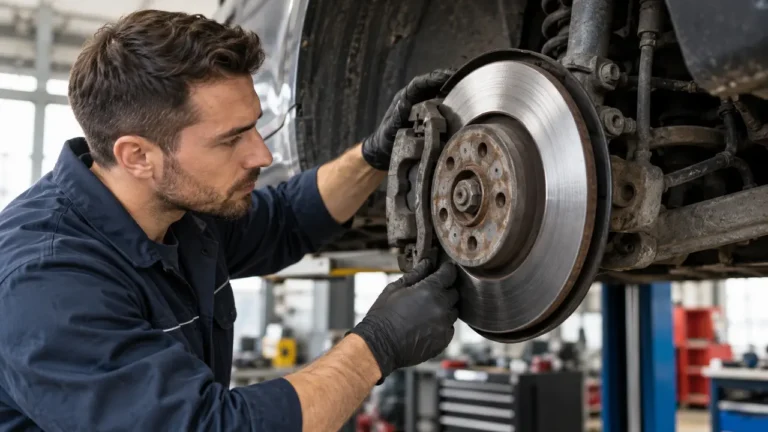
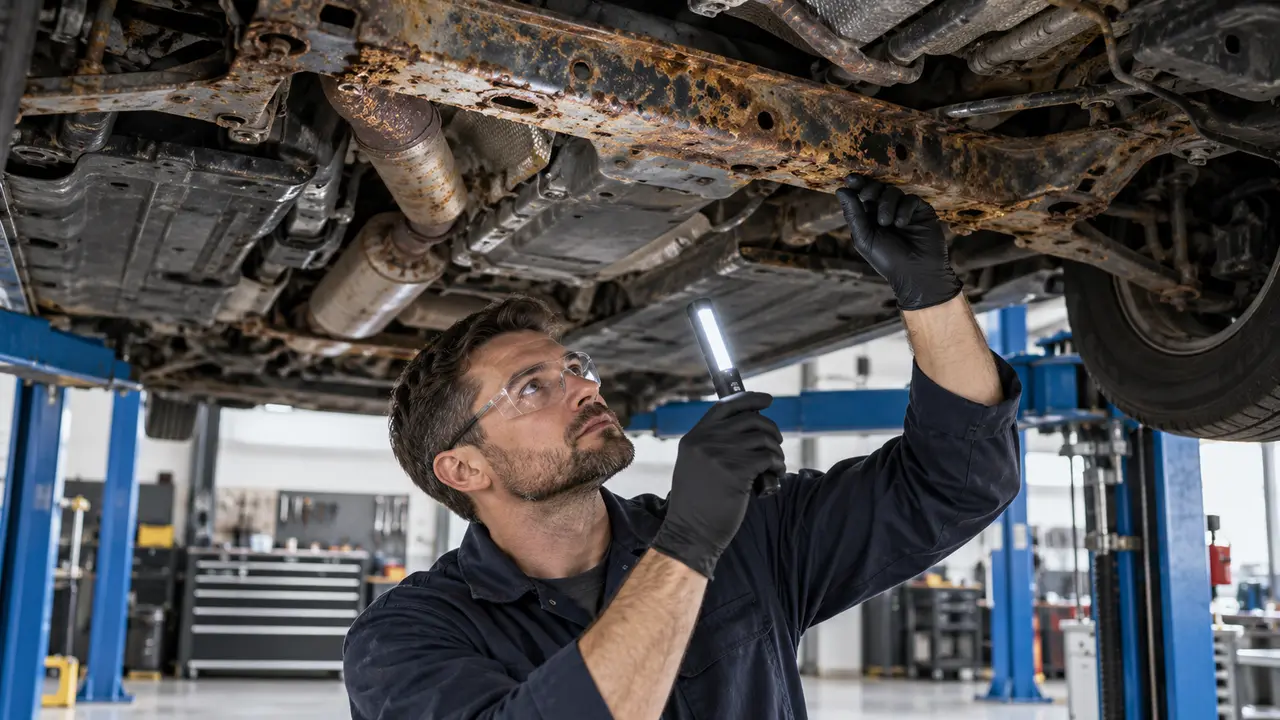
Wheel arches, door bottoms, sill seams, underbody joints and areas behind plastic liners can collect mud and moisture. Look for clogged drainage holes and worn protective coatings. Inspect these places in good light after the car is clean. Do not crawl beneath a vehicle supported only by a jack. A qualified workshop can lift the car safely for a thorough check. On older vehicles, corrosion near suspension mounting points or structural seams is more serious than a small surface spot on a non-structural panel.
Wash away road salt
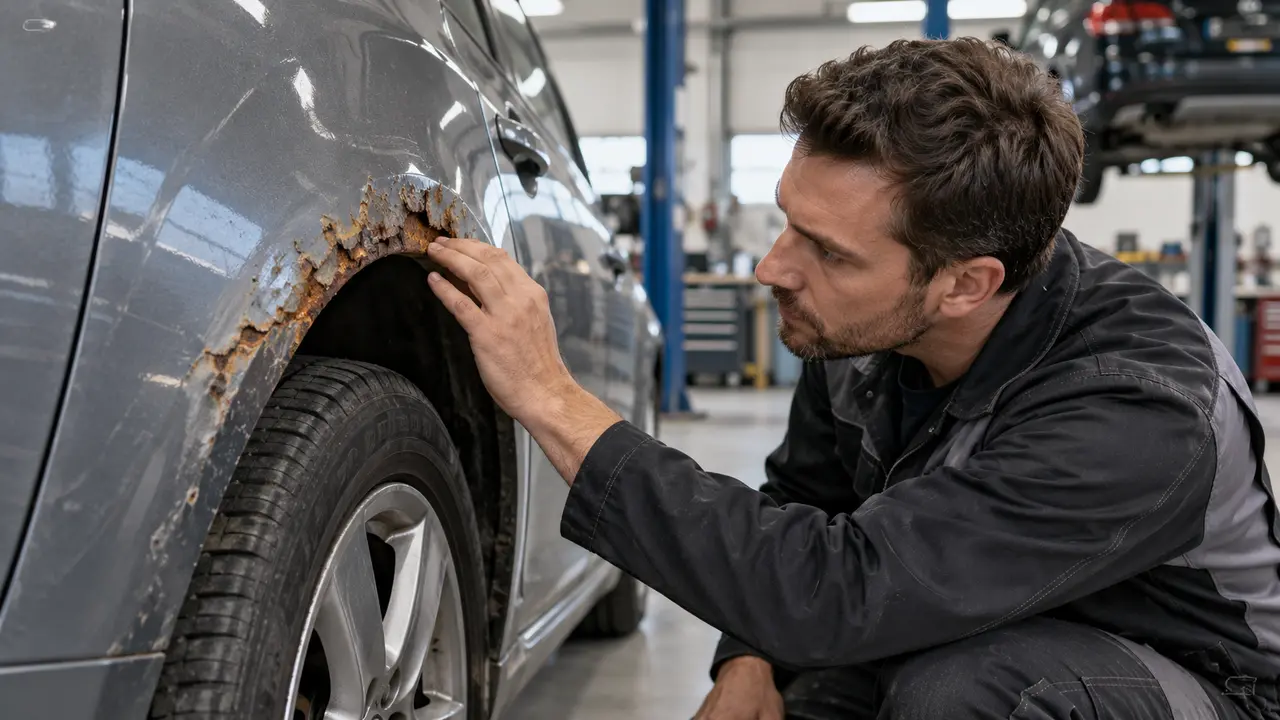
In places that use salt or de-icing chemicals, wash the body and underbody as the vehicle maker recommends after winter road exposure. Pay attention to wheel arches and lower panels. Use a suitable rinse, but avoid forcing high-pressure water into electrical connectors, seals or damaged coatings. Do not assume aggressive cleaning is always better. The aim is to remove deposits without stripping protection. Where salt is not used, similar care can help after muddy or coastal driving. Drying and drainage matter too.
Rinse the hidden edges
Wheel arches and lower panels can hold salty mud. Clean them carefully without directing high pressure into electrical or sealed parts.
Keep drain holes clear
Doors, sunroofs and some body sections have designed water paths. Leaves and debris can block them, leaving moisture where it does not belong. Check the owner’s manual for safe cleaning points. Never drill new holes or poke sharp tools through seals. If the cabin smells damp or carpets get wet, have the source traced. A leak can damage wiring and interior materials even before exterior rust is obvious. Good drainage is part of body maintenance, not merely a cosmetic detail.
Handle paint chips early
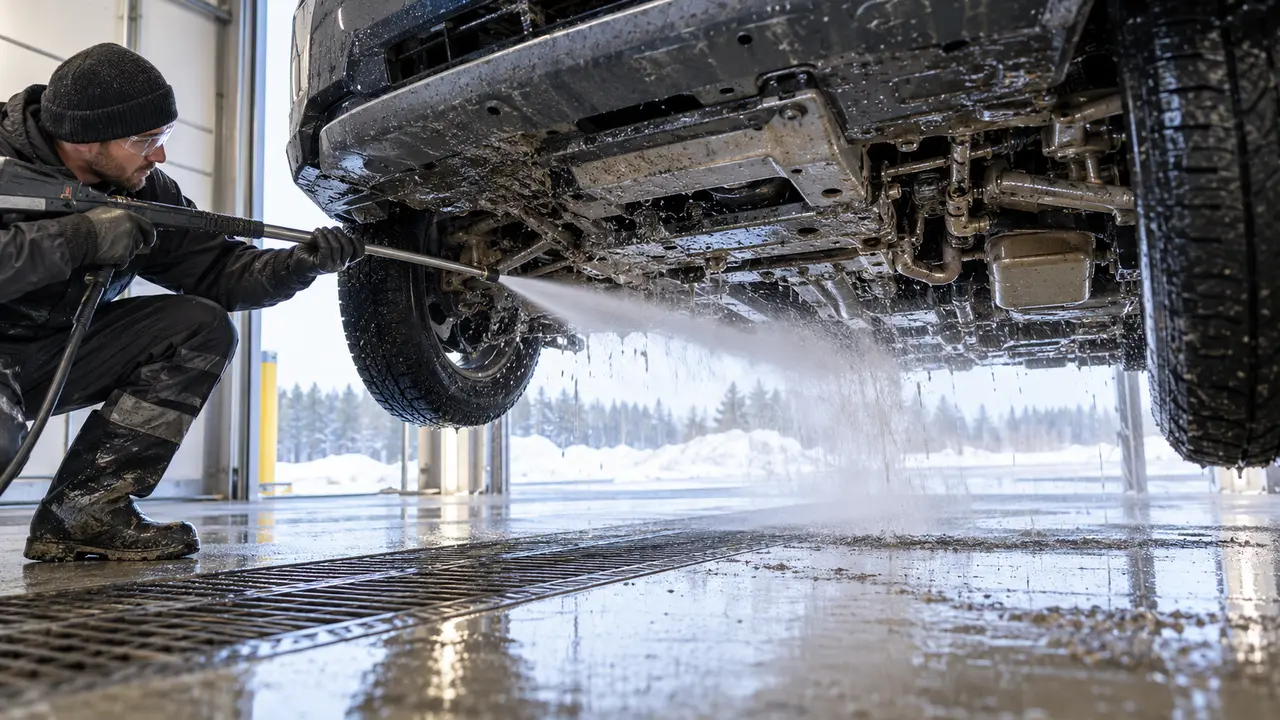
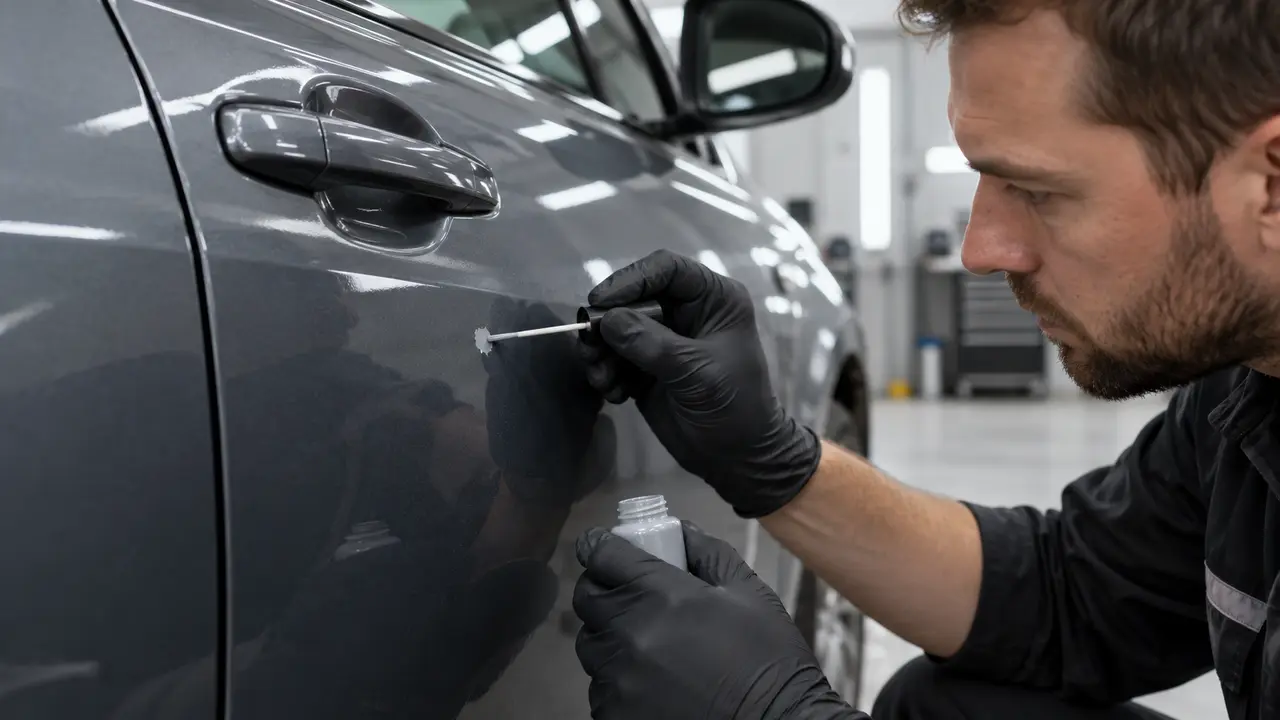
A stone chip that reaches bare metal can start a small rust spot. Clean the area according to the repair product instructions and use a suitable paint or corrosion repair process. For deep damage, the workshop may need to remove corrosion and restore primer and coating layers. Applying paint over active rust rarely gives a durable result. Match the vehicle’s paint code and use approved products. If the area is large or near a safety-critical seam, choose a professional body shop rather than a quick touch-up.
Surface rust versus structural damage
A little surface oxidation on some exposed hardware may be common, but perforation or deep corrosion on structural parts can make a car unsafe. Do not assess chassis strength from photographs alone. Ask a trained inspector to check suspicious flaking, holes or weakened mounts. A fresh layer of black underseal can hide poor metal beneath, so request evidence of preparation. If corrosion affects brakes, fuel lines or suspension attachment points, arrange prompt repair. Safety comes before appearance.
Know when to stop DIY
Holes, flaking structural seams or corroded suspension mounts require a qualified inspection before the car is used further.
Be careful with undercoating
Protective coatings can help in suitable conditions, but poor preparation may trap moisture or hide damage. Ask exactly what the workshop will clean, dry, inspect and treat before spraying. Check whether existing factory coatings and drainage holes will remain intact. Some products should not contact exhaust parts, brakes or electrical equipment. Request written warranty terms and a follow-up inspection plan. A cheap spray applied over dirt is not a substitute for sound metal and proper repair.
Coastal air and wet climates
Salt spray near the sea, humid weather and frequent rain can keep surfaces damp. Park in a well-drained place and rinse visible salt deposits when appropriate. Avoid placing wet covers tightly against paint for long periods. A garage that stays damp may be less helpful than a sheltered, ventilated parking area. Check door seals and drain channels. Car care should respond to local conditions, not to a single winter-only rule. If your area has year-round humidity, inspect more often.
EVs still need corrosion care
Electric cars use steel, aluminium and mixed materials, depending on the design. Battery enclosures and high-voltage parts have special protective systems. Do not spray underbody chemicals over unknown high-voltage components or cover service openings. The Alternative Fuels Data Center describes EV high-voltage safety needs. Ask the manufacturer or trained shop which treatments are permitted. Body rust prevention still matters on an EV, but technicians must respect battery cooling, isolation and crash structures.
A practical inspection example
A driver notices bubbling paint near the lower edge of a door after several wet seasons. They clean the area and find that the drainage hole is blocked. A body shop removes the damaged coating, treats the metal properly and restores paint protection. The owner then keeps the drains clear. If the same car had a rusted structural sill, the repair would be more complex and could affect roadworthiness. Early inspection helps separate a manageable cosmetic problem from a safety concern.
Buying a used car with rust
Check the visible body and request an underbody inspection before purchase. Look for uneven undercoating, fresh paint over seams, damp carpets and corrosion around mounting points. Ask about previous repairs and whether they were documented. An older car may have harmless surface marks, but significant structural corrosion can be expensive or impossible to repair economically. Get a qualified opinion and local repair estimate. Do not rely on a seller saying that all cars of that age look the same beneath.
Check the car after repairs
After bodywork, inspect the repaired area at regular washes. Look for new bubbling, cracking sealant or water collecting nearby. A repair may have a written paint or corrosion warranty, so keep the invoice and report concerns early. Do not use abrasive cleaners on fresh paint before the body shop says it is safe. If the repair involved structural metal, ask whether any follow-up inspection is required. Good aftercare helps a proper repair last and makes it easier to spot new corrosion before it spreads.
Build a simple prevention routine
Wash lower panels after salt or heavy mud exposure, check chips during regular cleaning and keep drainage areas clear. At scheduled service, ask the workshop to inspect underbody coatings and visible corrosion. Save photographs of any developing spot so you can see whether it spreads. Use products approved for the vehicle and climate. If a rust repair was completed, follow the shop’s aftercare instructions. A steady routine is more effective than buying multiple coatings without a plan.
Frequently asked questions
Can I paint over rust?
Painting over active corrosion is rarely a durable repair. Proper preparation and suitable protective layers matter.
Is undercoating always useful?
No. Poorly applied coating may trap water or hide damage. Seek vehicle-specific advice and careful preparation.
Does an EV rust?
It can. Materials and high-voltage protections vary, so use maker-approved inspection and treatment procedures.
Takeaway: Remove salt and trapped dirt, repair chips early and inspect structural areas professionally.